


Real Katana Craftsmanship
Authentic handmade katanas crafted by skilled masters using traditional forging techniques
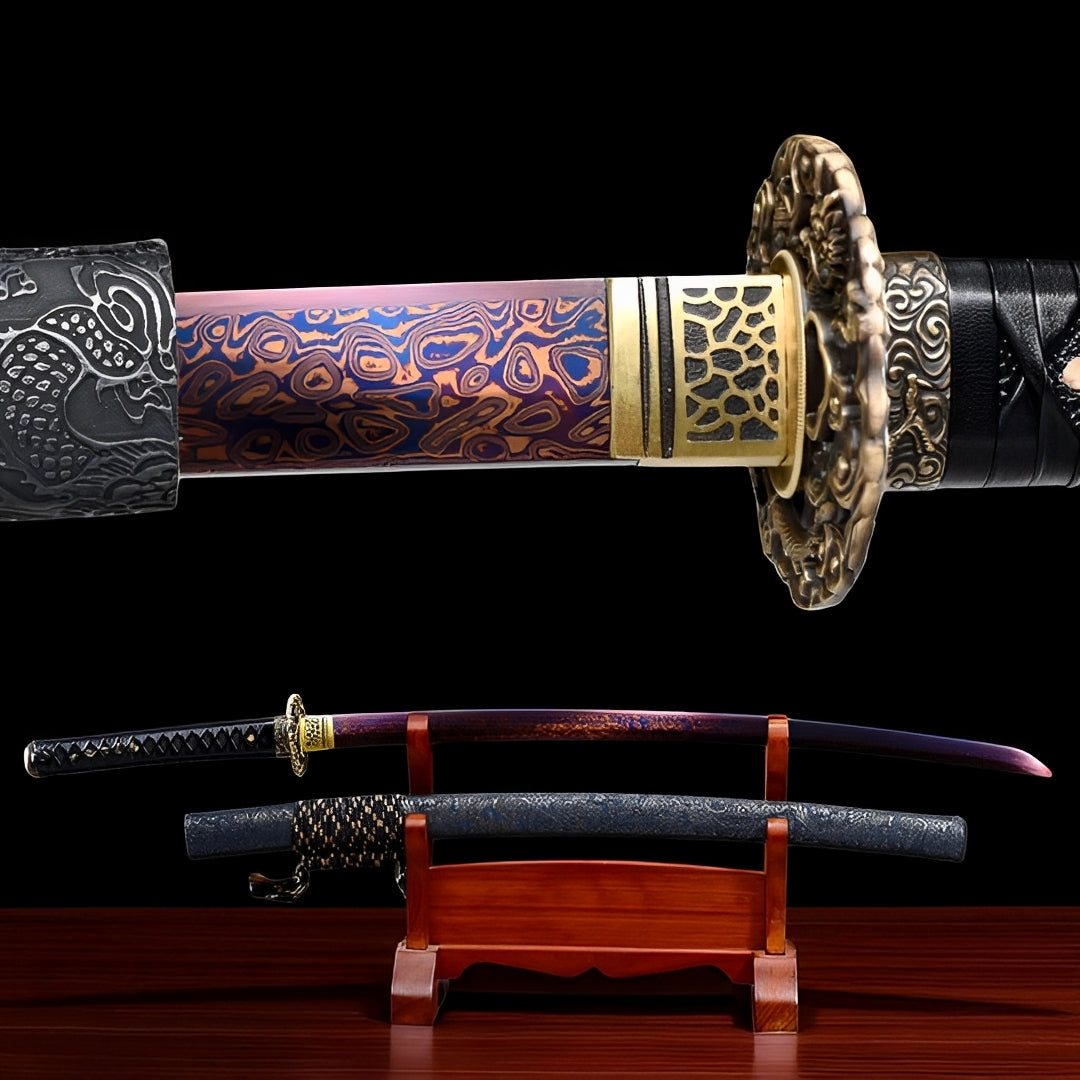
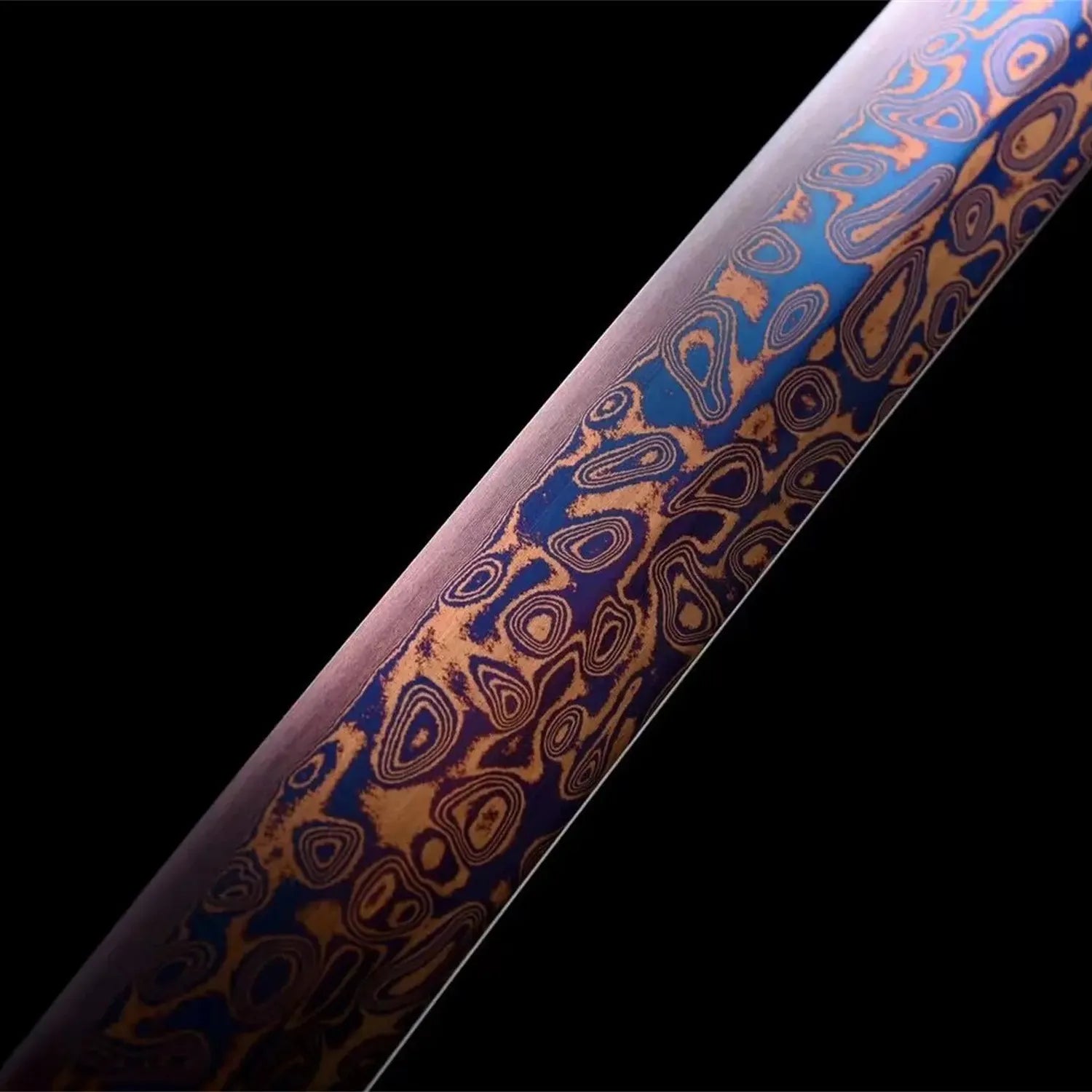
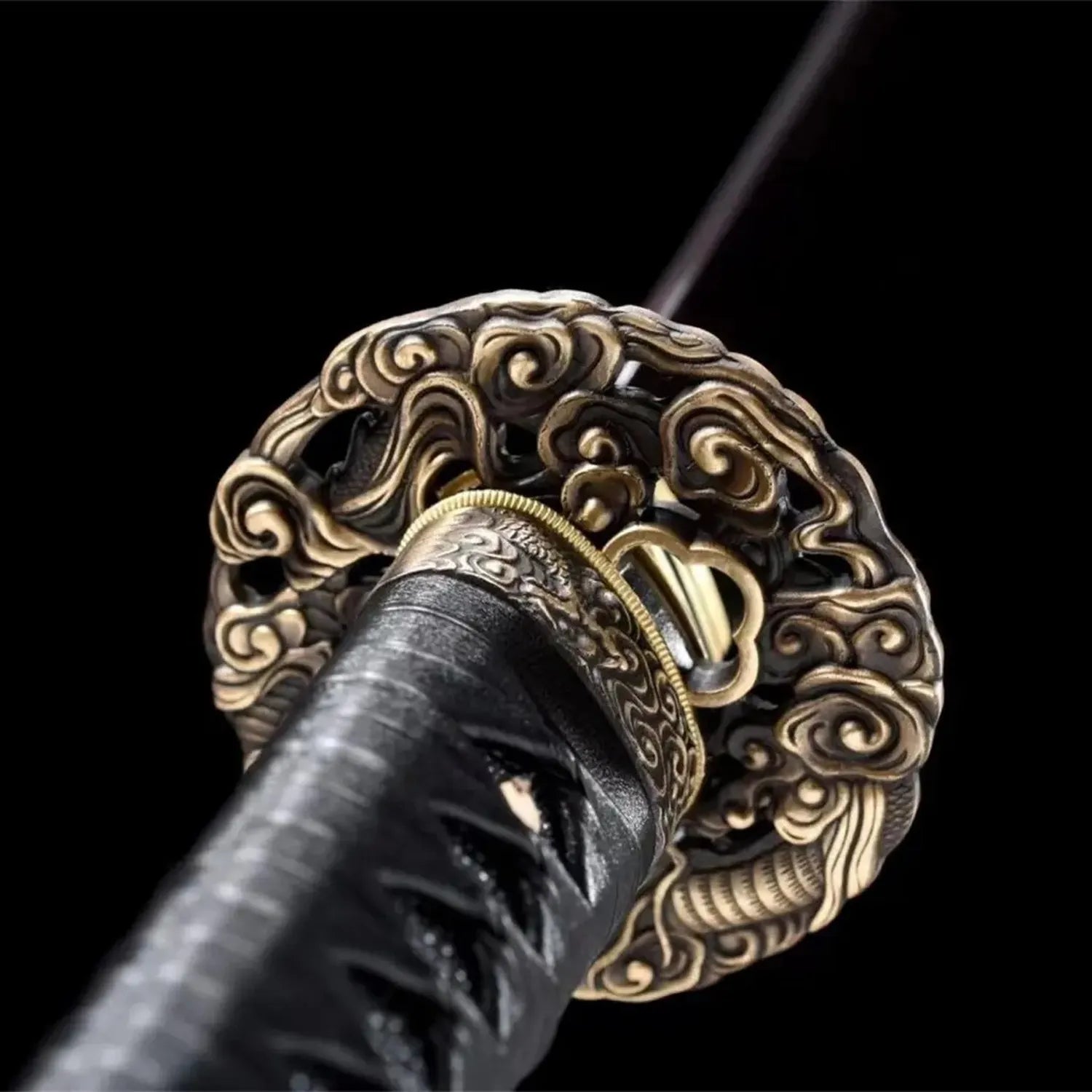
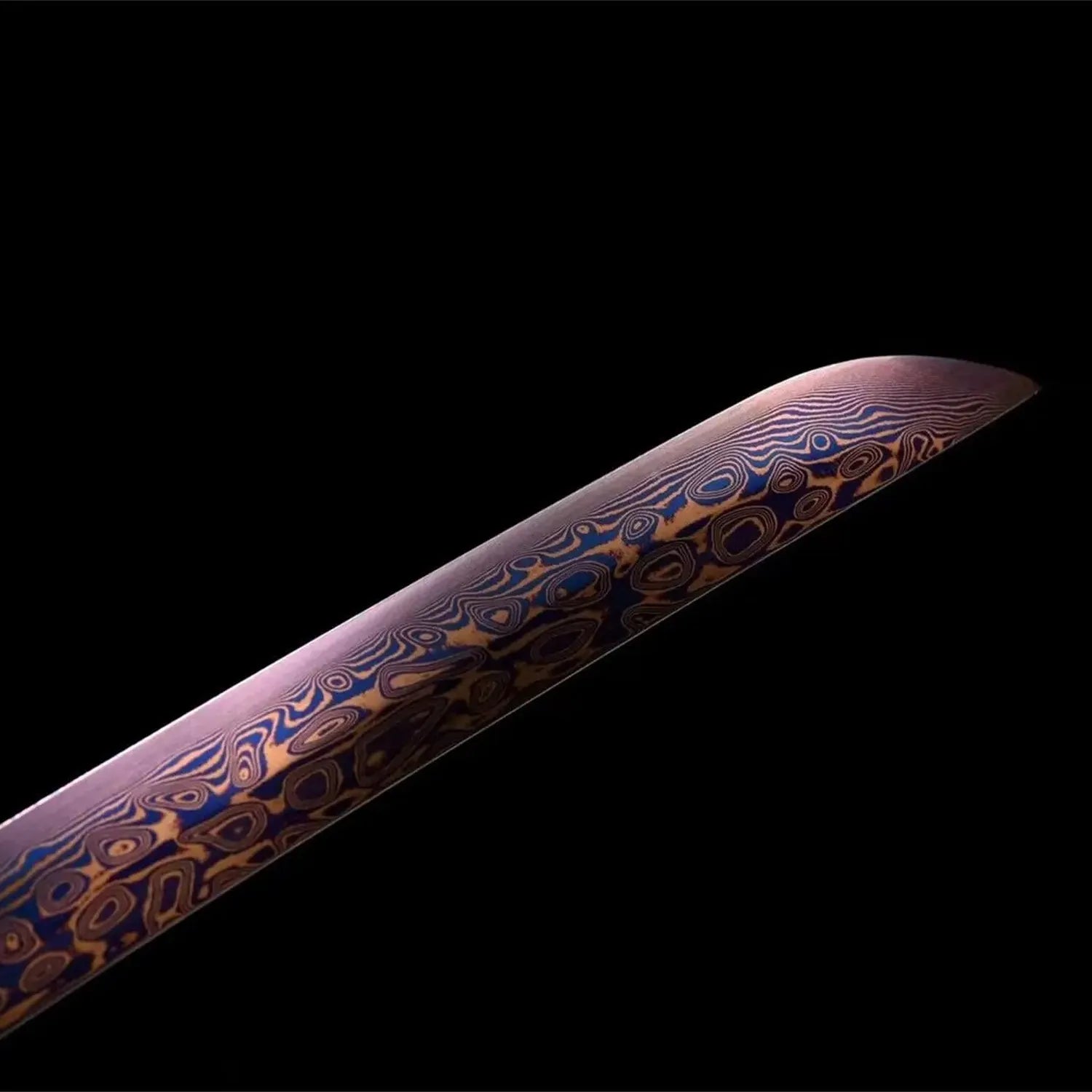
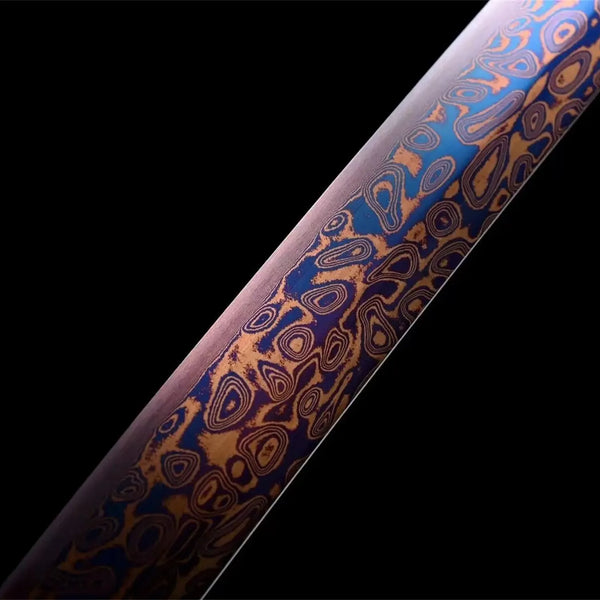
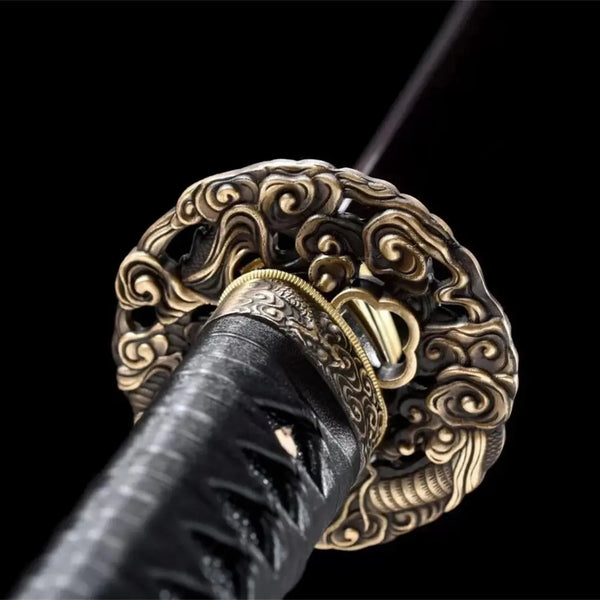
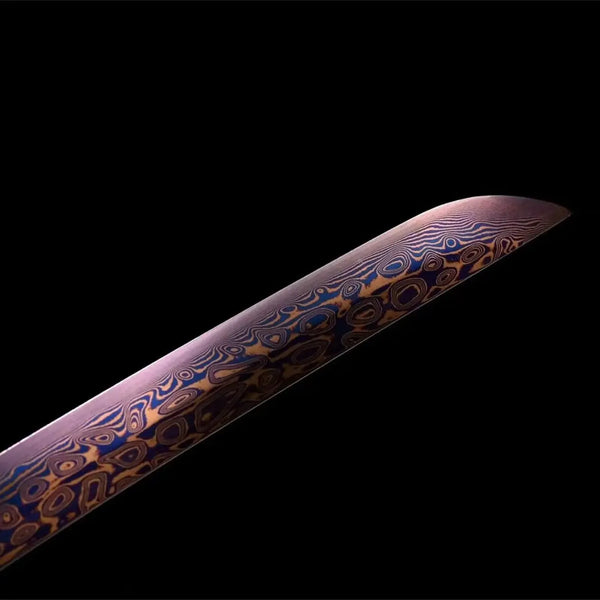

Damascus Steel

Forged Blade

Collector Quality

Customer feedback

Inspired by Japan
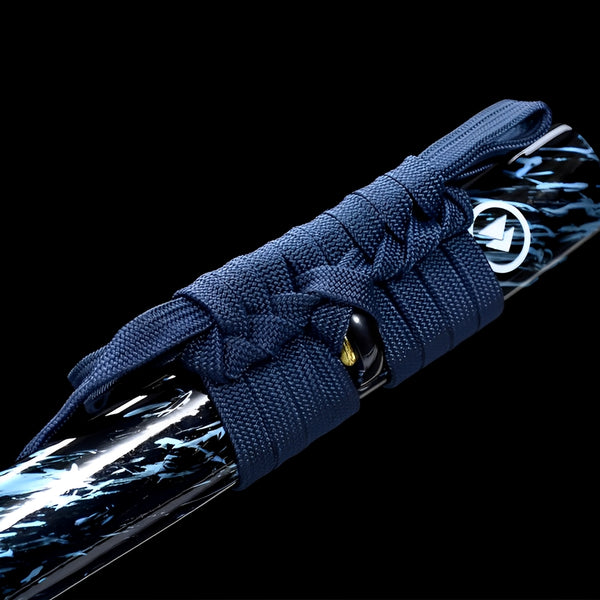
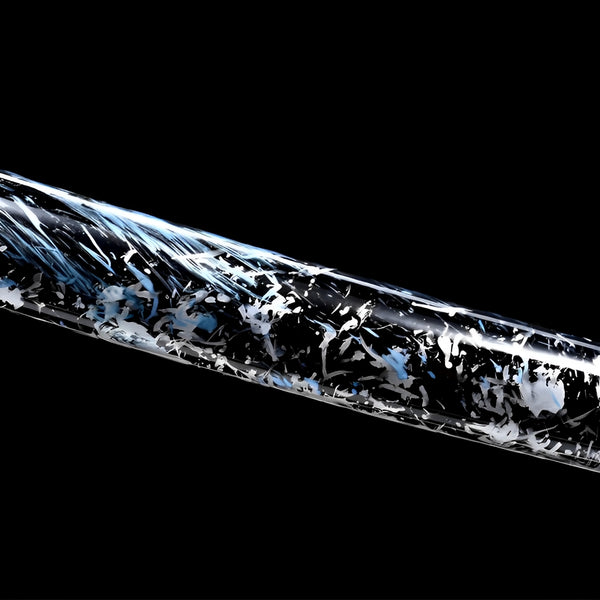

1060 Steel
Forged Blade
Collector Quality
Customer feedback
Inspired by Japan
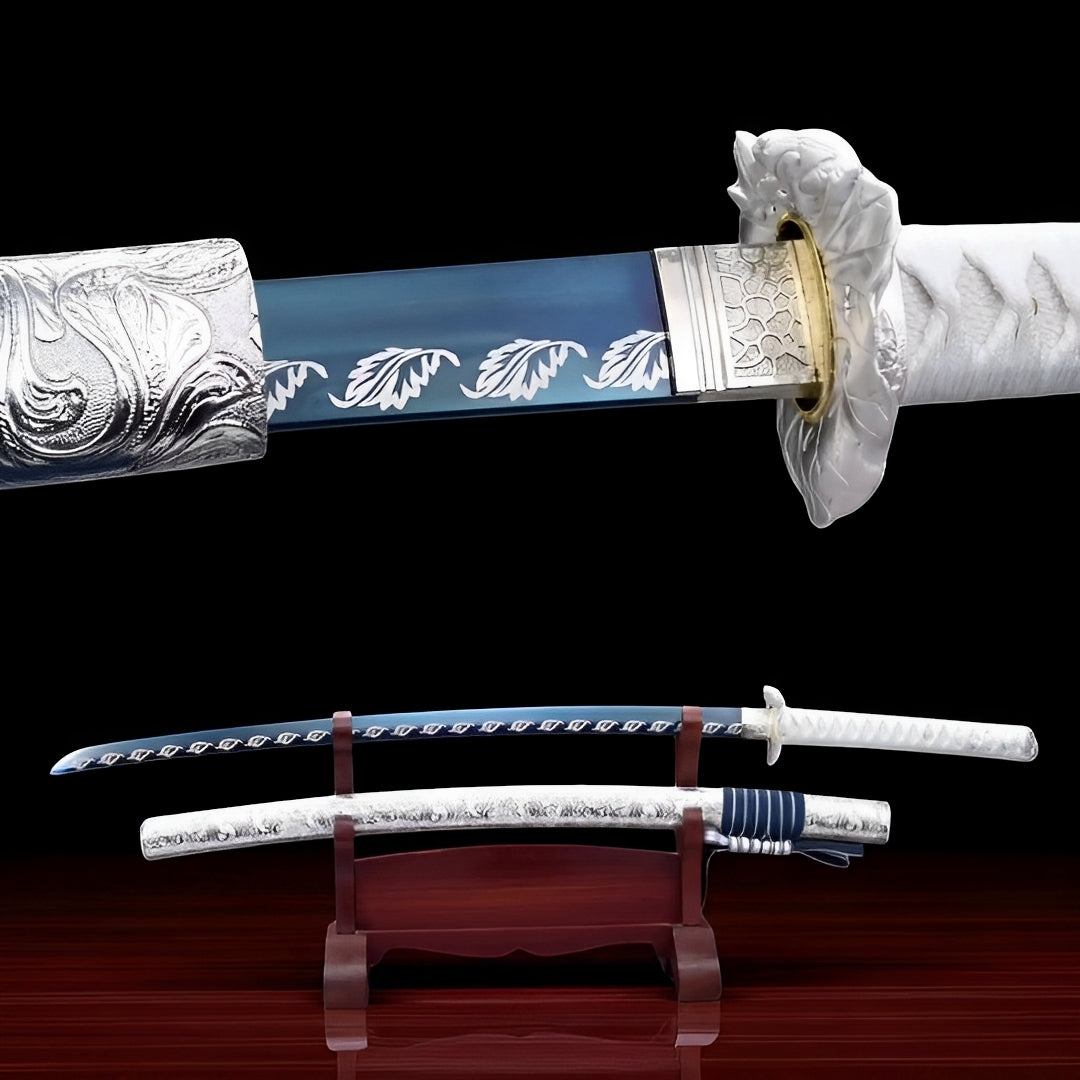
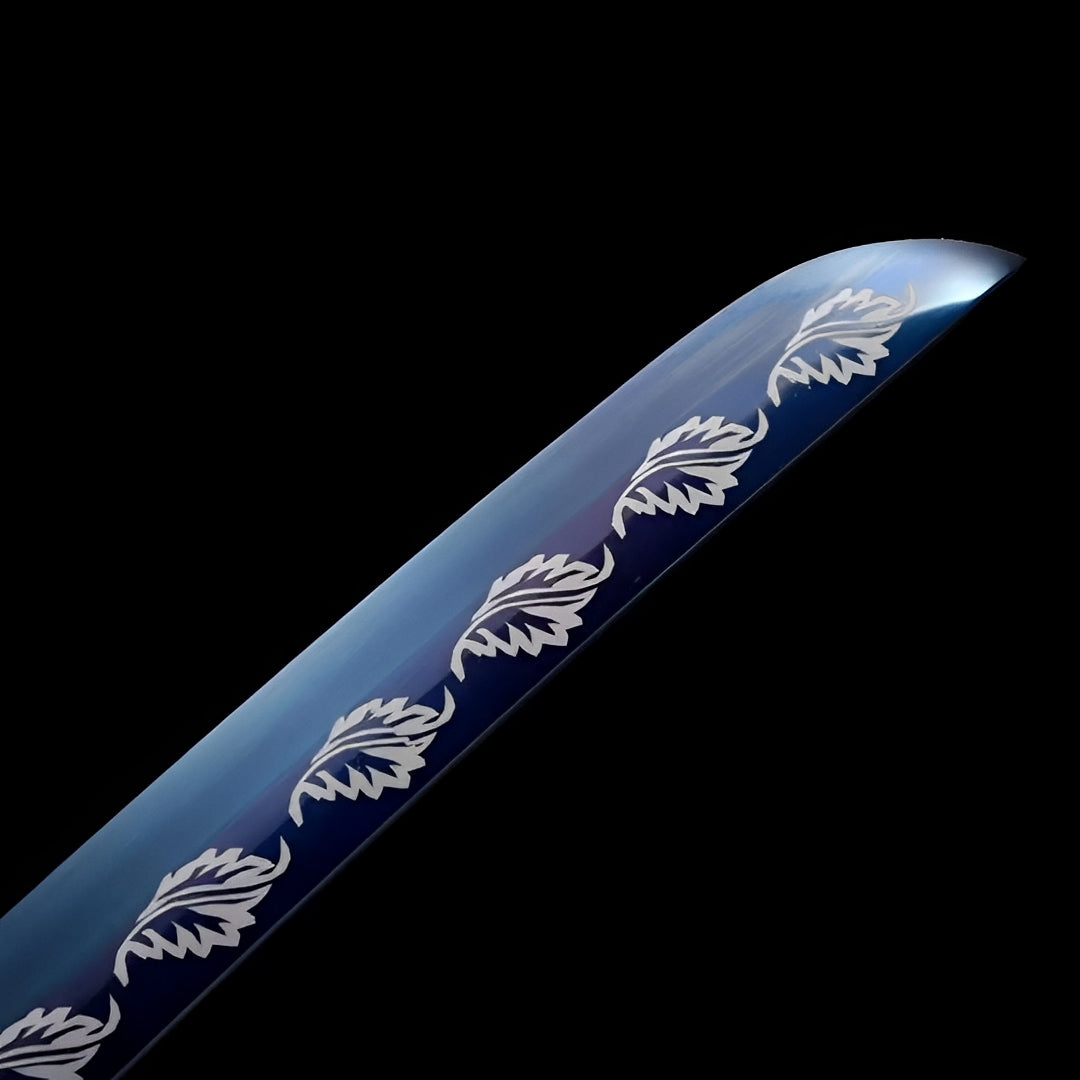

T10 Steel
Forged Blade
Collector Quality
Customer feedback
Inspired by Japan
T10 Steel
Forged Blade
Collector Quality
Customer feedback
Inspired by Japan
MASTER THE ART OF THE KATANA
-
CHOOSING YOUR KATANA
Whether you're a collector or a first-time buyer, we'll guide you through the key elements to help you choose the perfect Katana for your needs and preferences.
DISCOVER →GUIDE
-
CHOOSE YOUR STEEL
The type of steel used in a Katana affects its strength, sharpness, and overall performance. Discover the different options and how to pick the right one for your blade.
DISCOVER →GUIDE
-
UNDERSTANDING THE KATANA
Dive into the world of traditional Japanese swords and learn the names, meanings, and functions of each part that makes up a true Katana.
DISCOVER →GUIDE
-
CUSTOM-MADE KATANA
Looking for something truly unique? Our skilled swordsmiths will handcraft a Katana that matches your vision, from the steel to the fittings, every detail is tailored to you.
BUILD MY KATANA →NEW


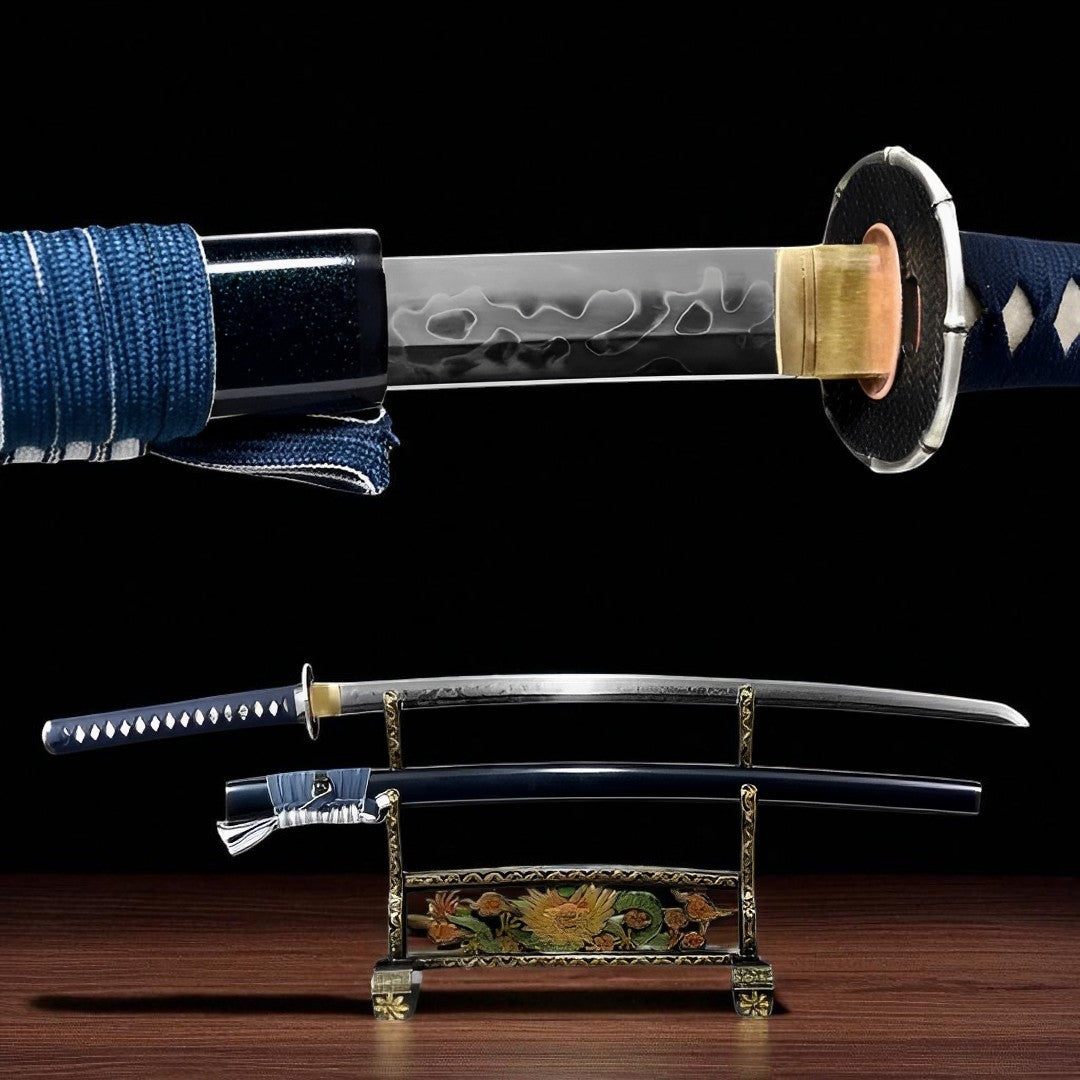
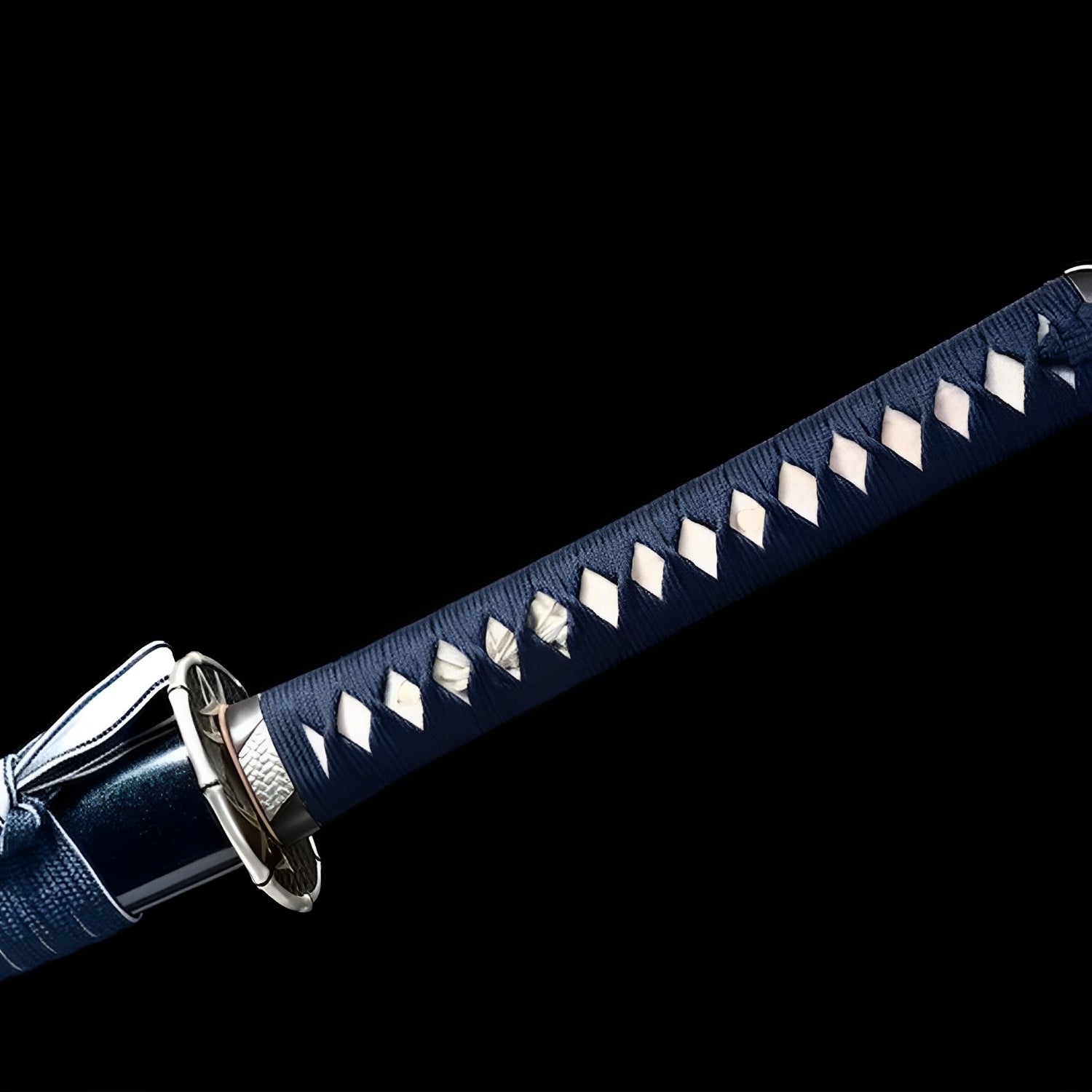
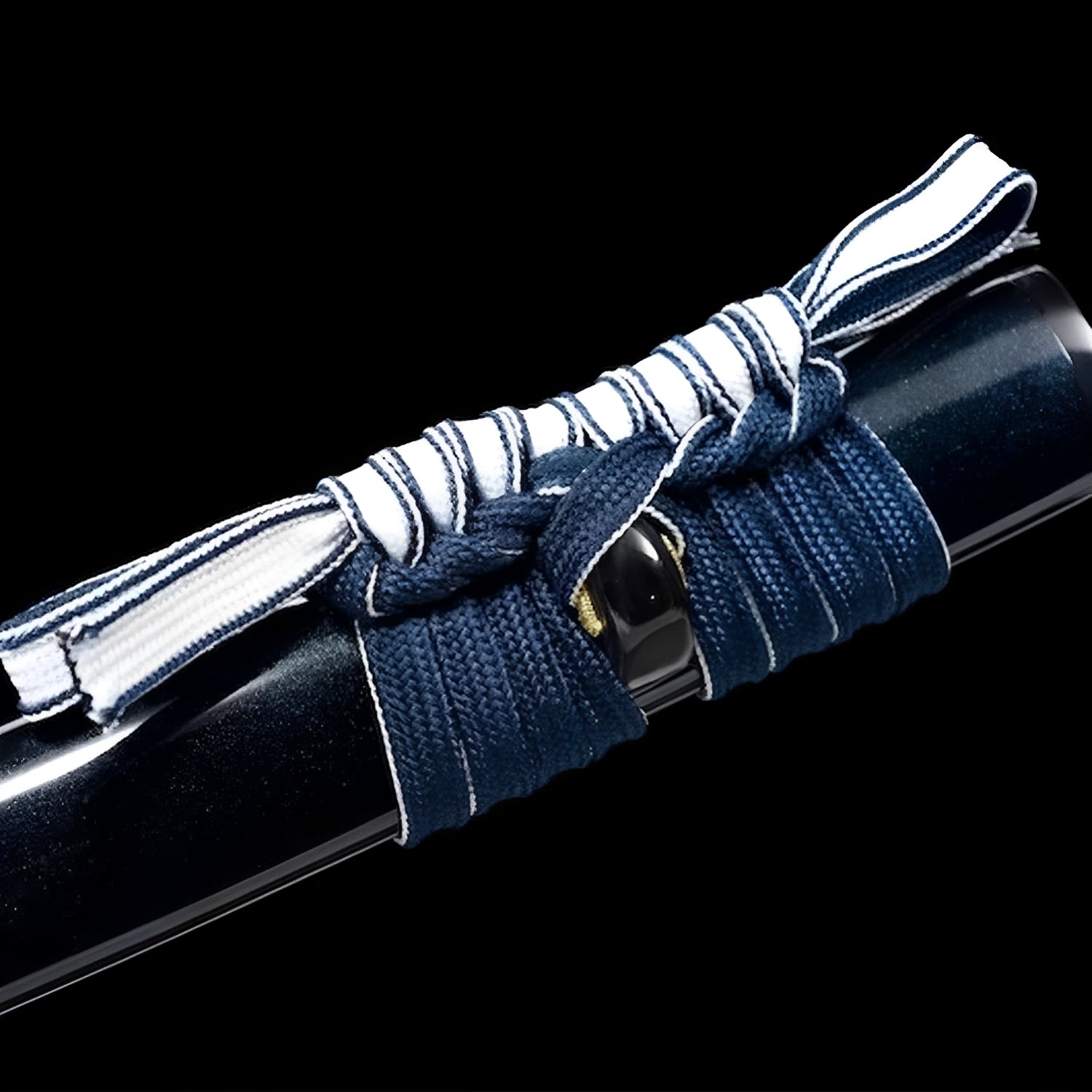
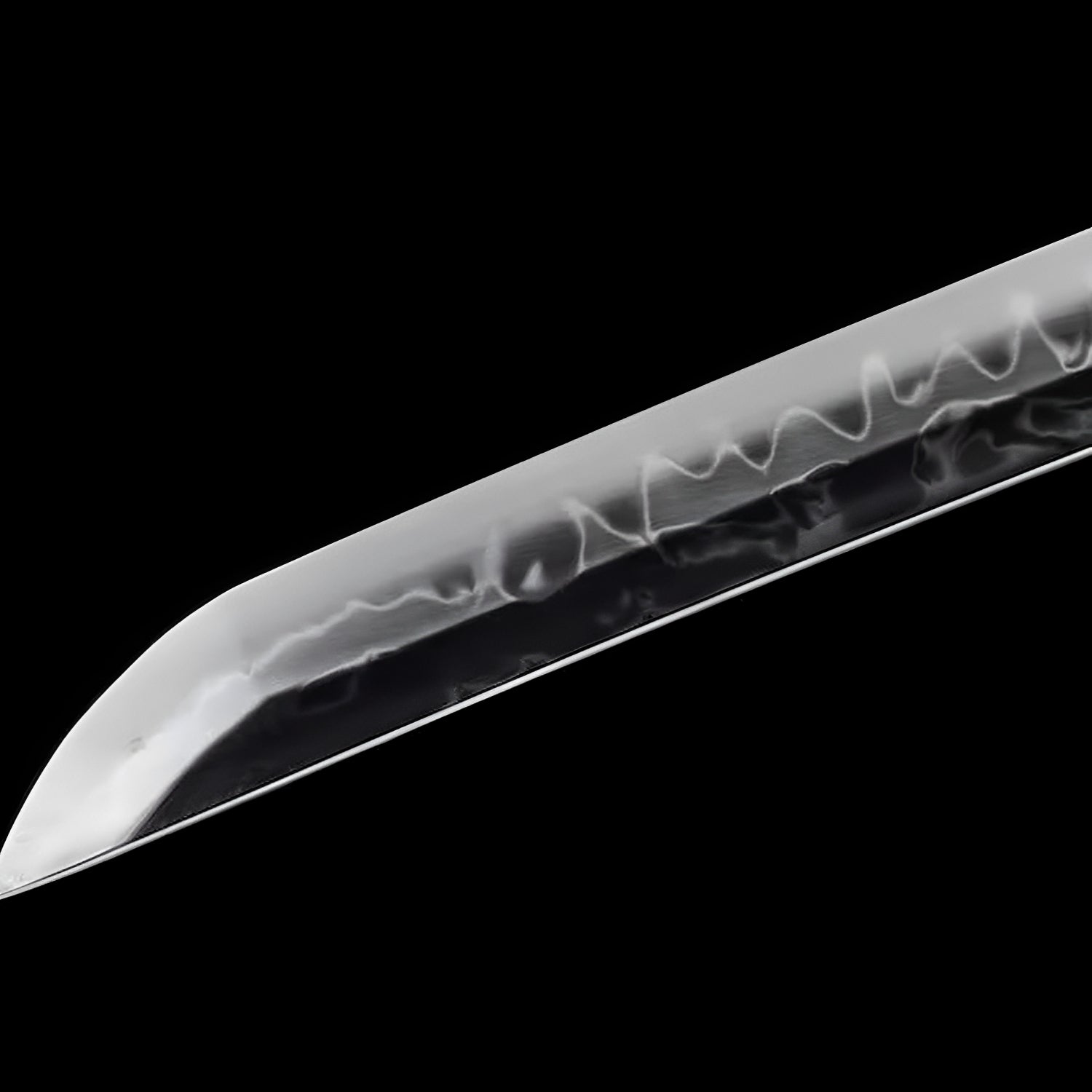
T10 Steel
Forged Blade
Collector Quality
Customer feedback
Inspired by Japan
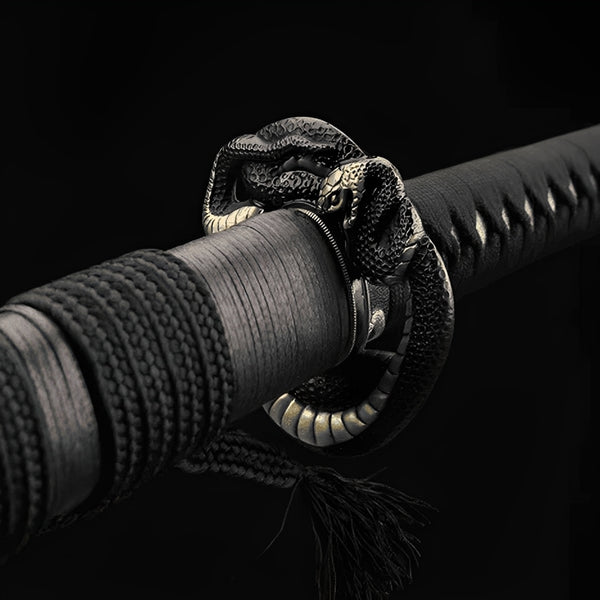
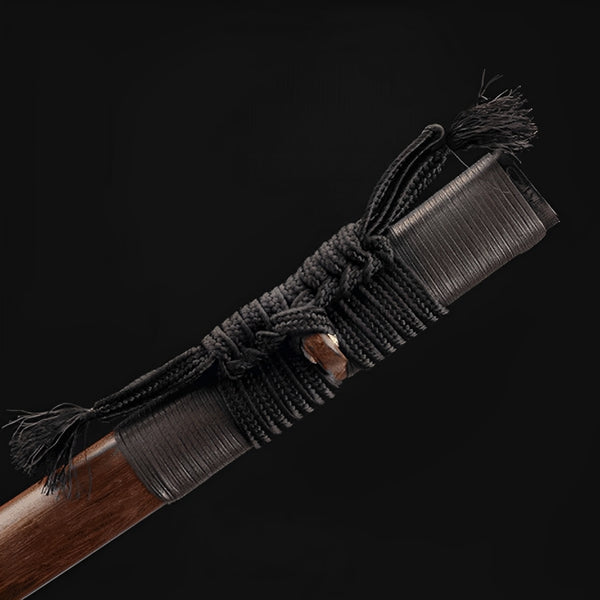
Damascus Steel
Forged Blade
Collector Quality
Customer feedback
Inspired by Japan
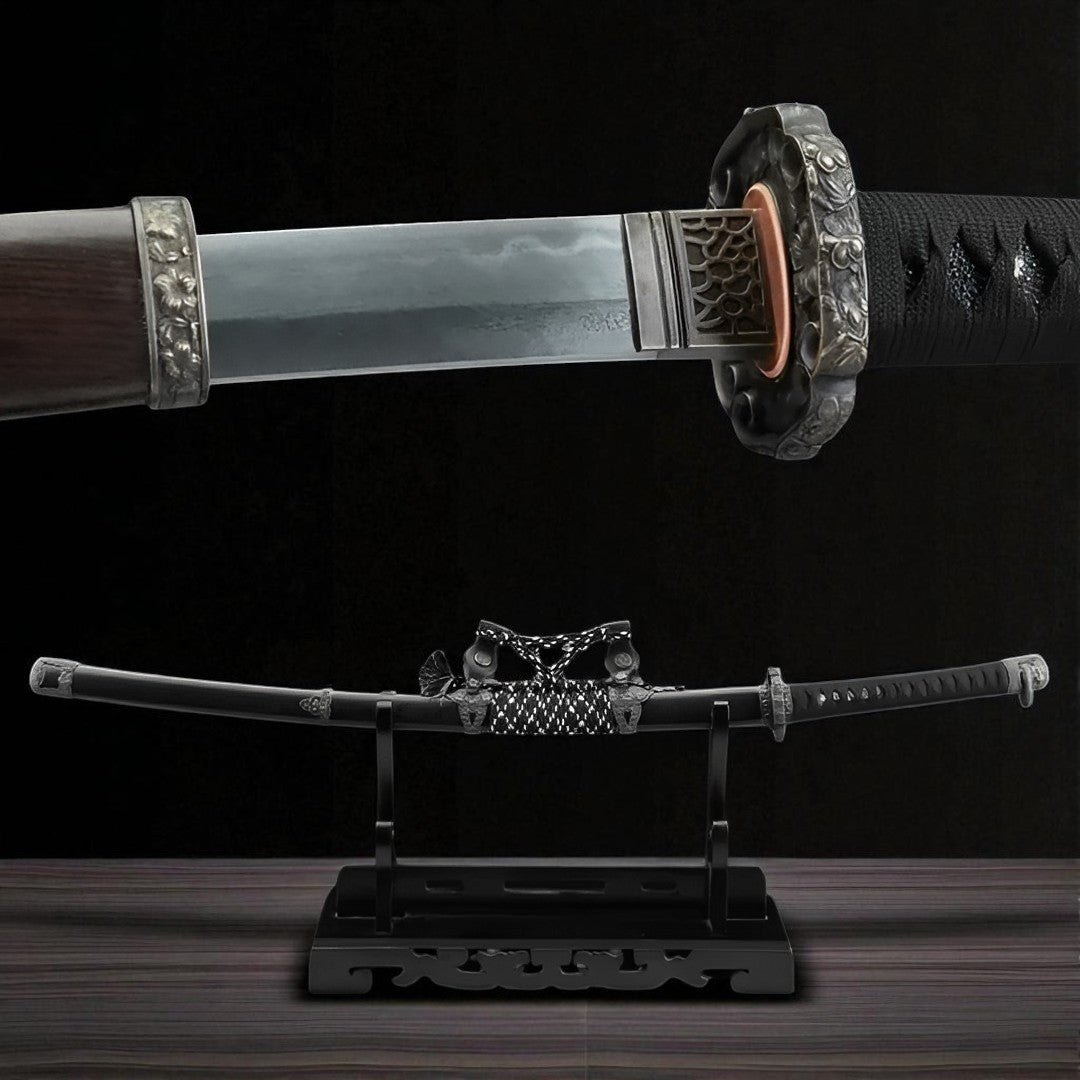
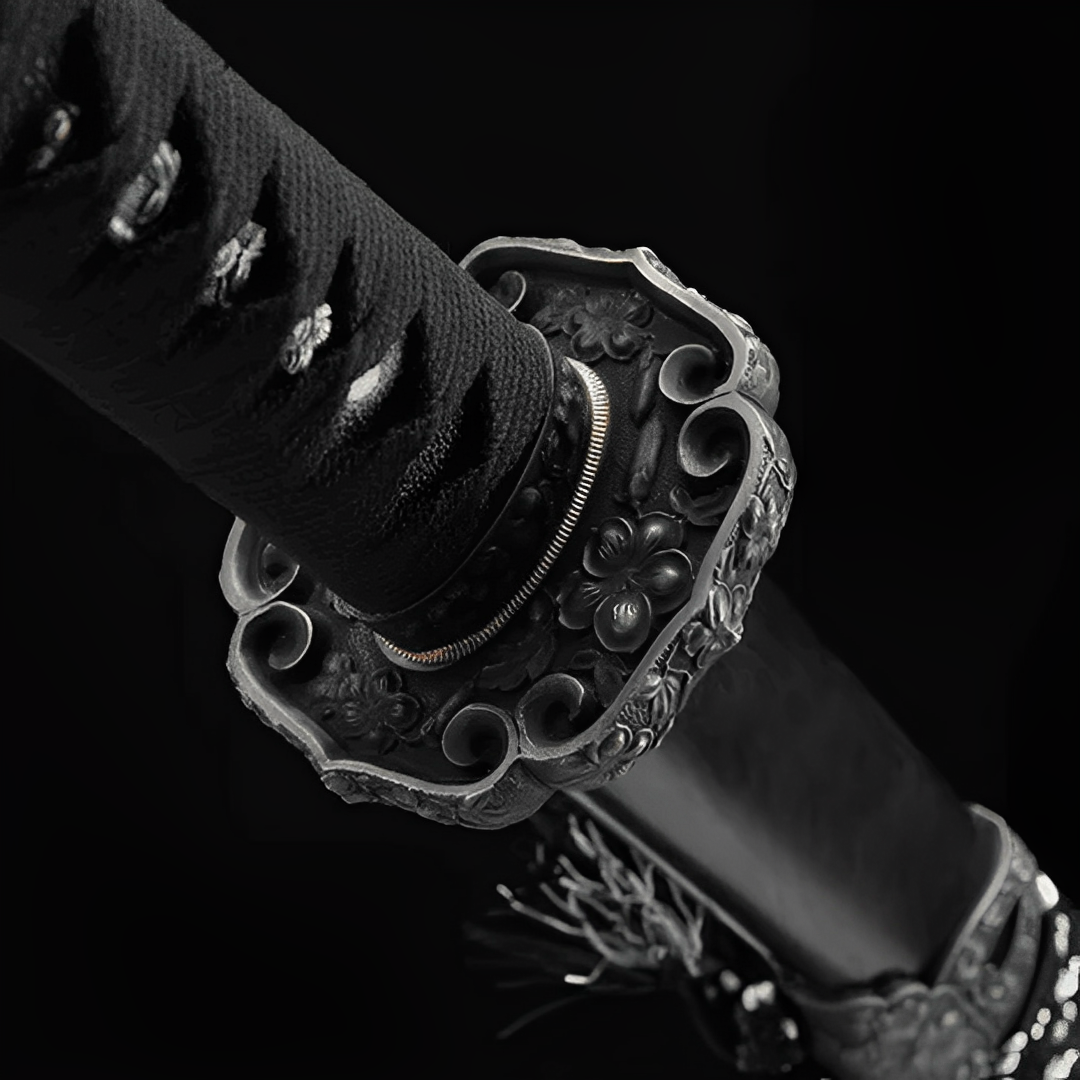
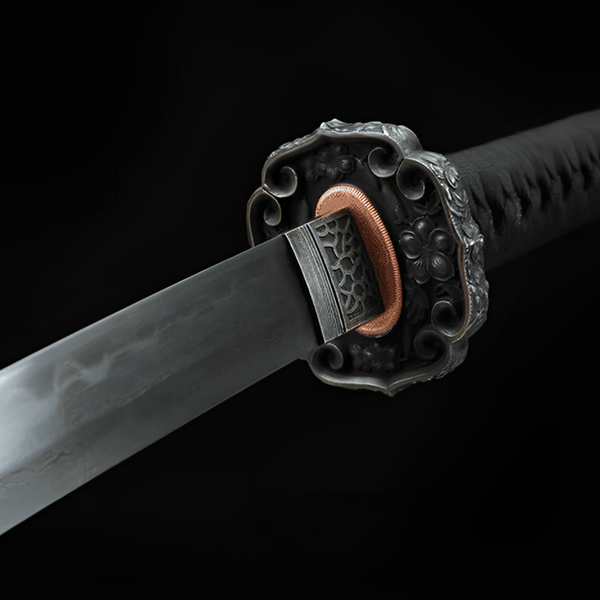
Damascus Steel
Forged Blade
Collector Quality
Customer feedback
Inspired by Japan
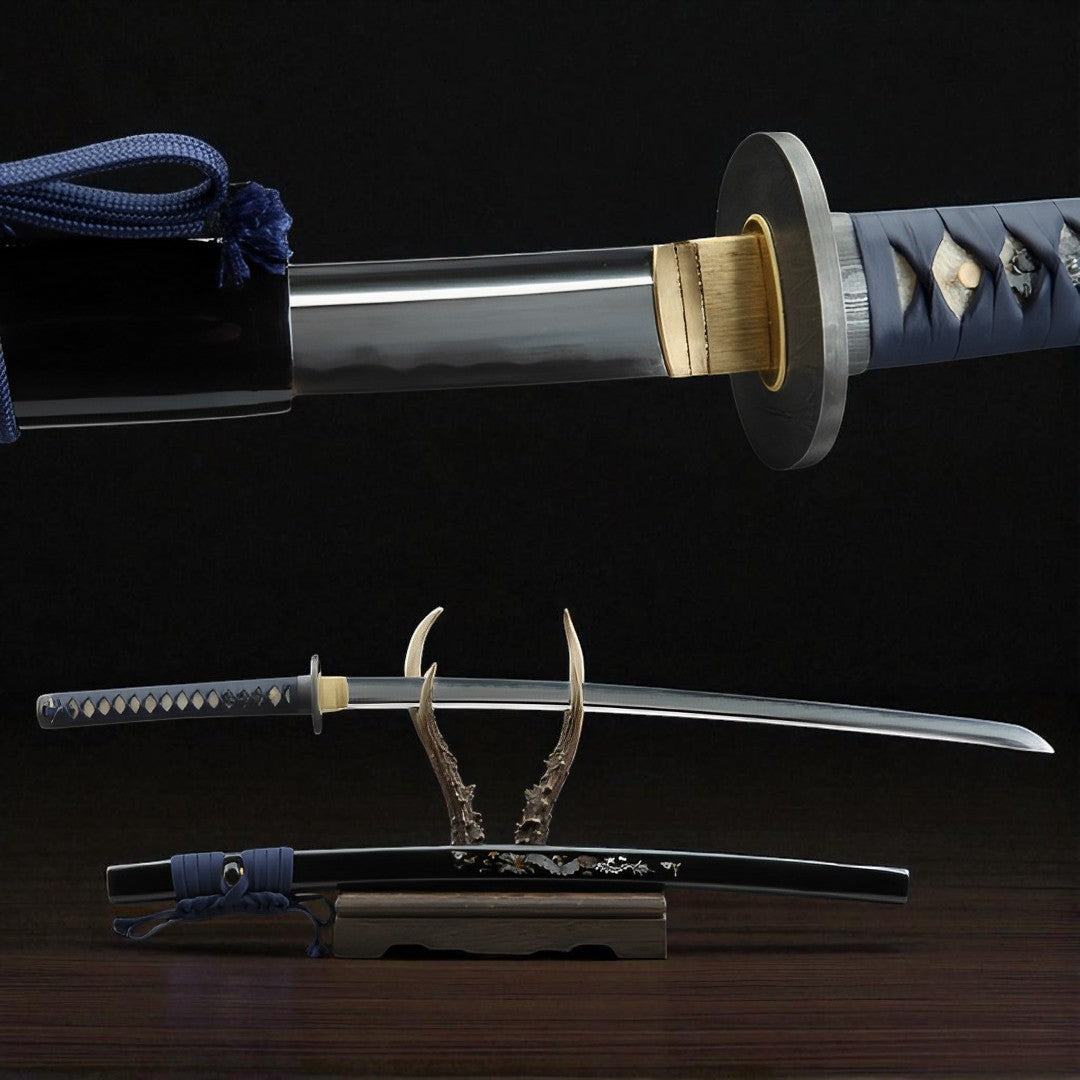
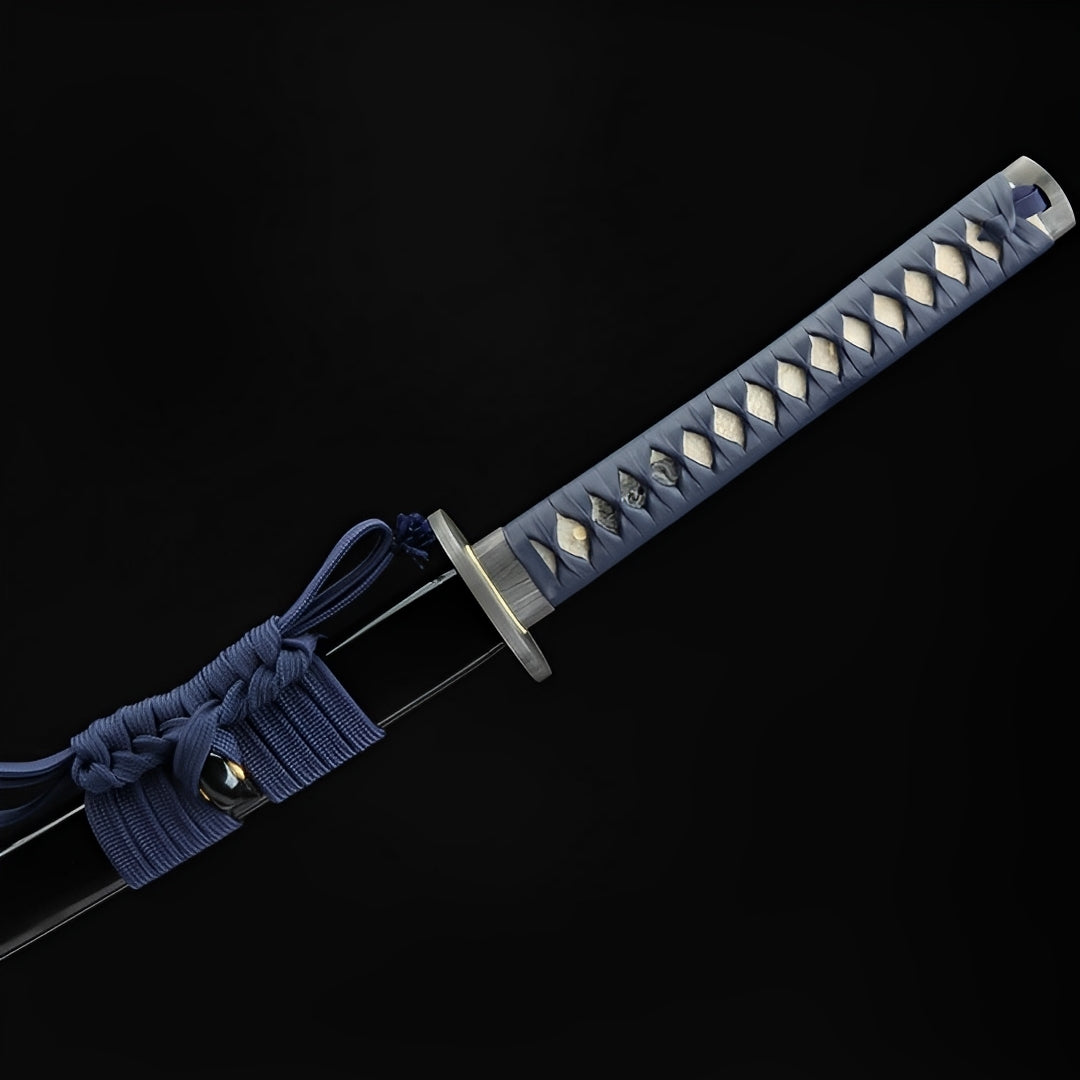
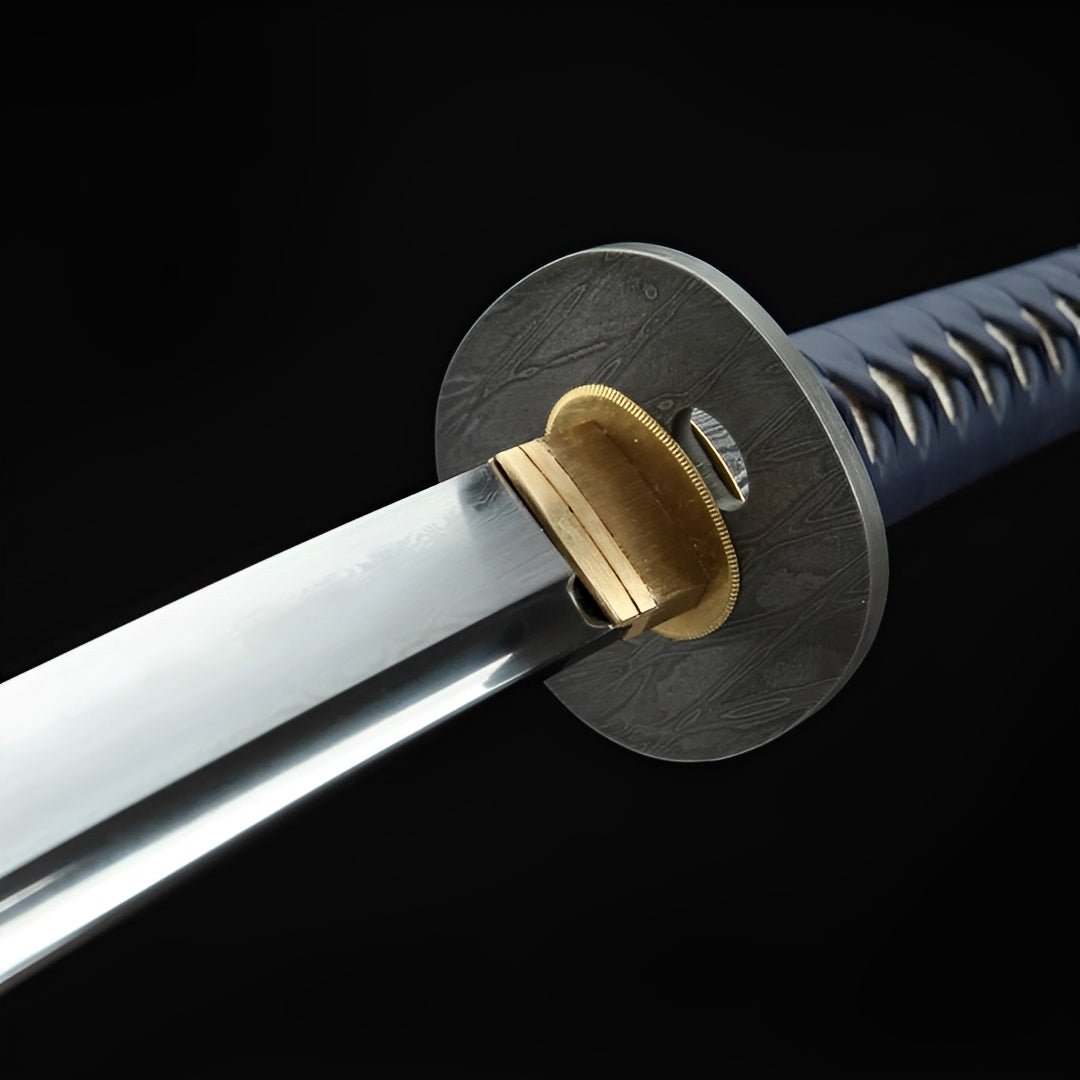
Damascus Steel
Forged Blade
Collector Quality
Customer feedback
Inspired by Japan
EXPLORE OUR JAPANESE SWORD COLLECTION
Find your next katana

A sword that catches your eye
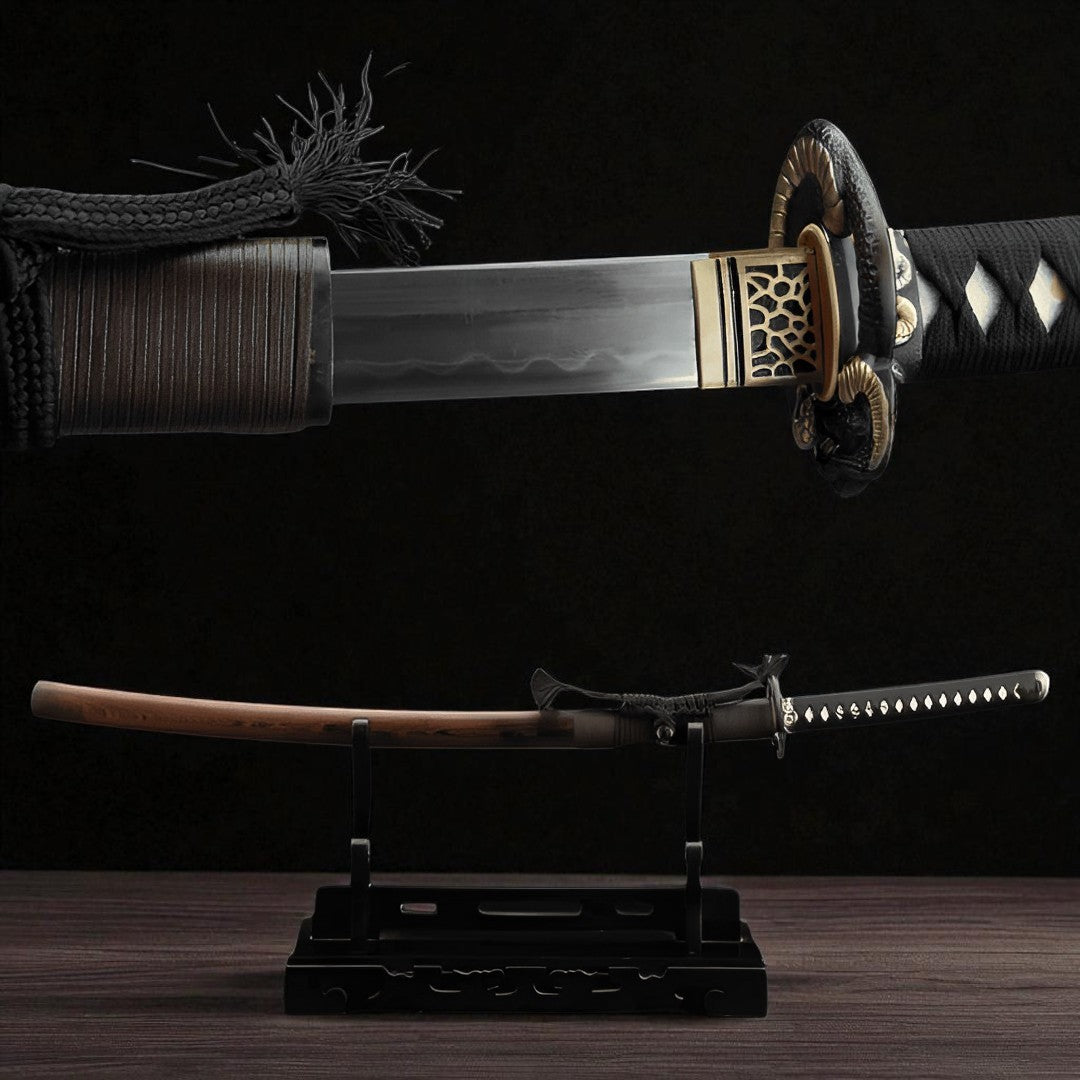
A dark scabbard and a simple guard, or a blade with a little more color? Every collector has a different eye. Our collection runs from traditional designs to anime-inspired katanas drawn from the stories you love.
These are real steel swords for collection and display. Dimensions, fittings and sharpening details are listed on the product pages, so you know what you're bringing home.
New to katanas? Our katana buying guide puts names to the parts and explains the details you'll see in the catalog.

Meet Blue Dragon and Jin Sakai
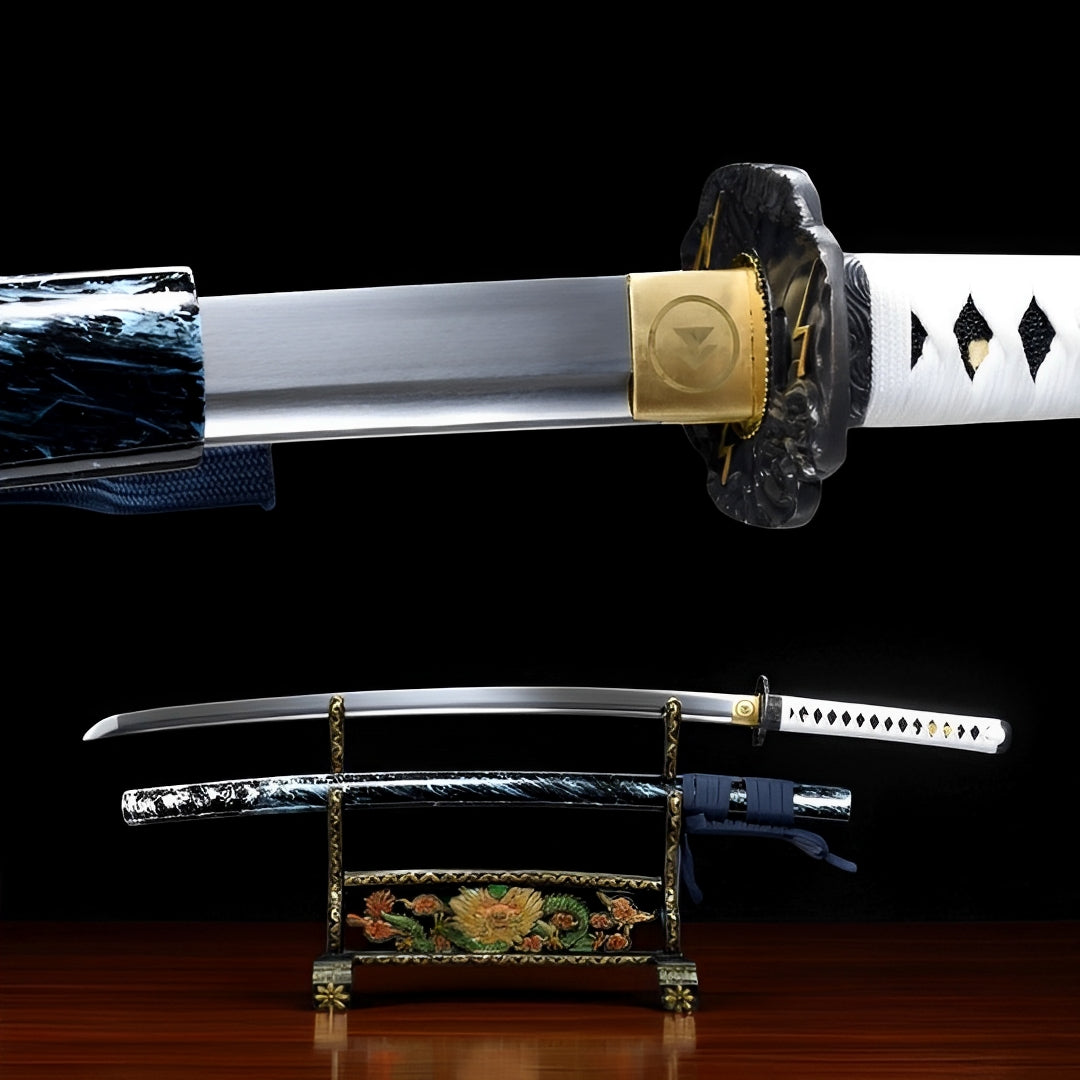
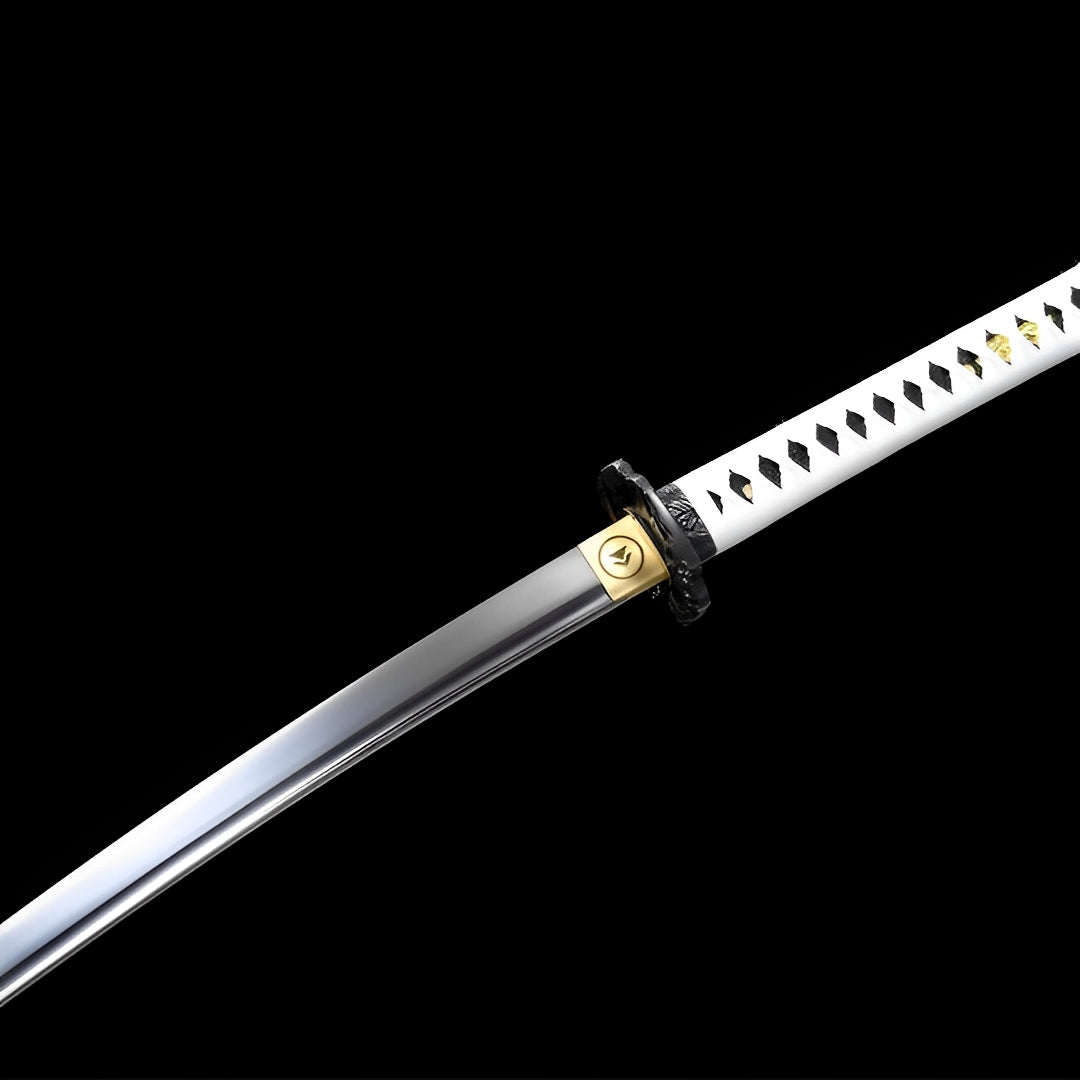
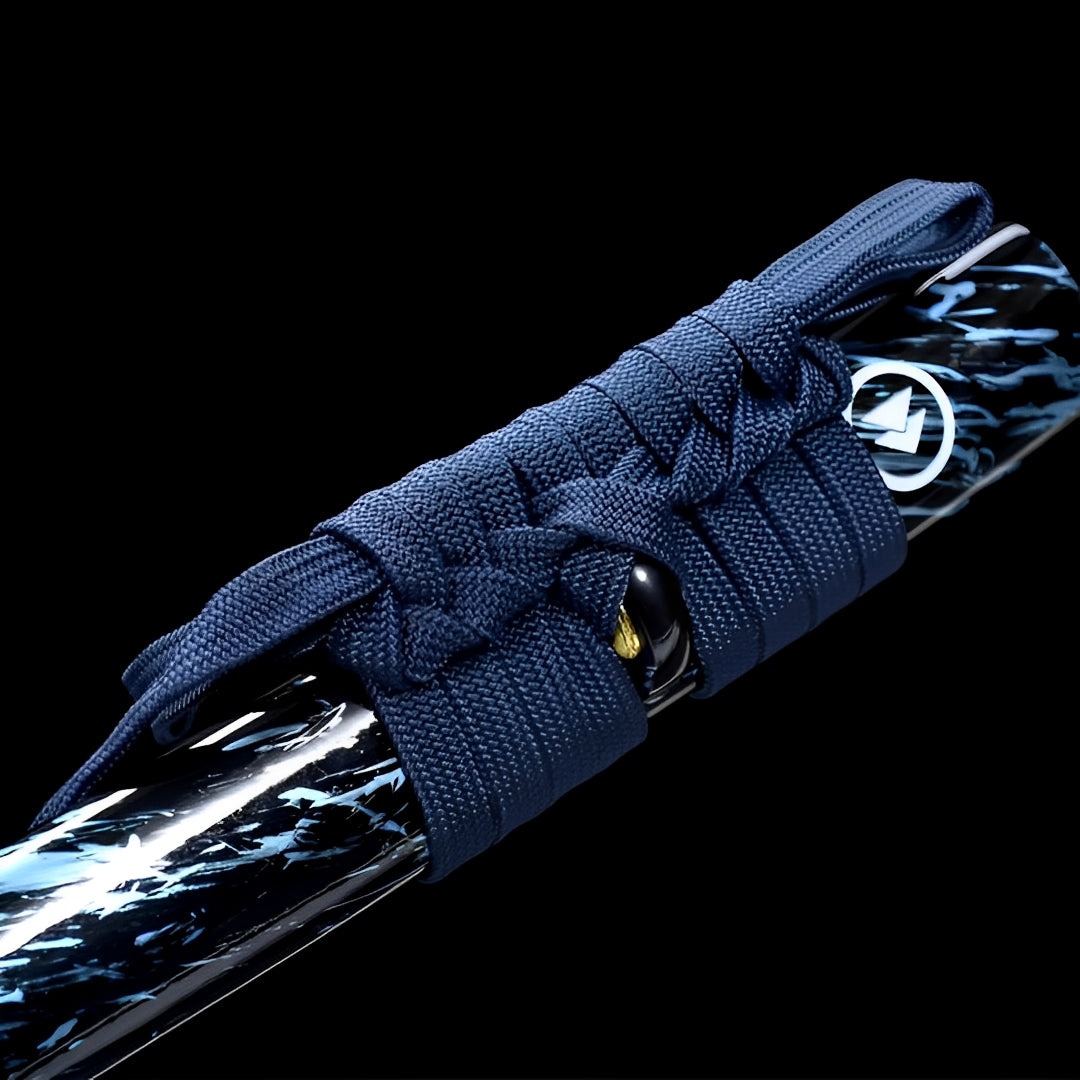
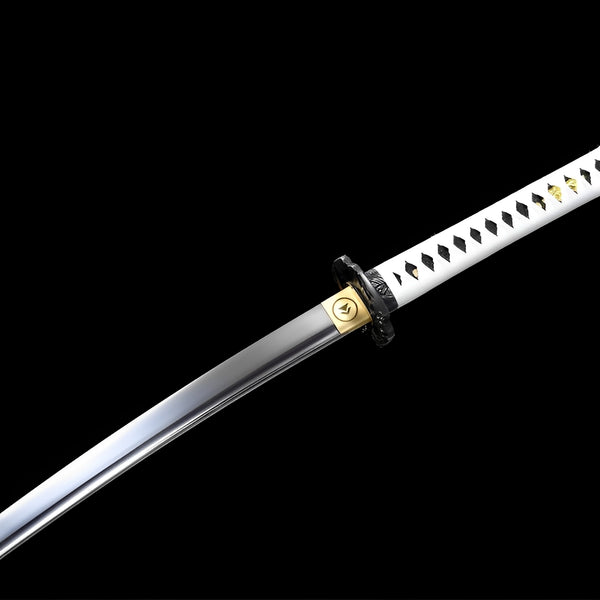
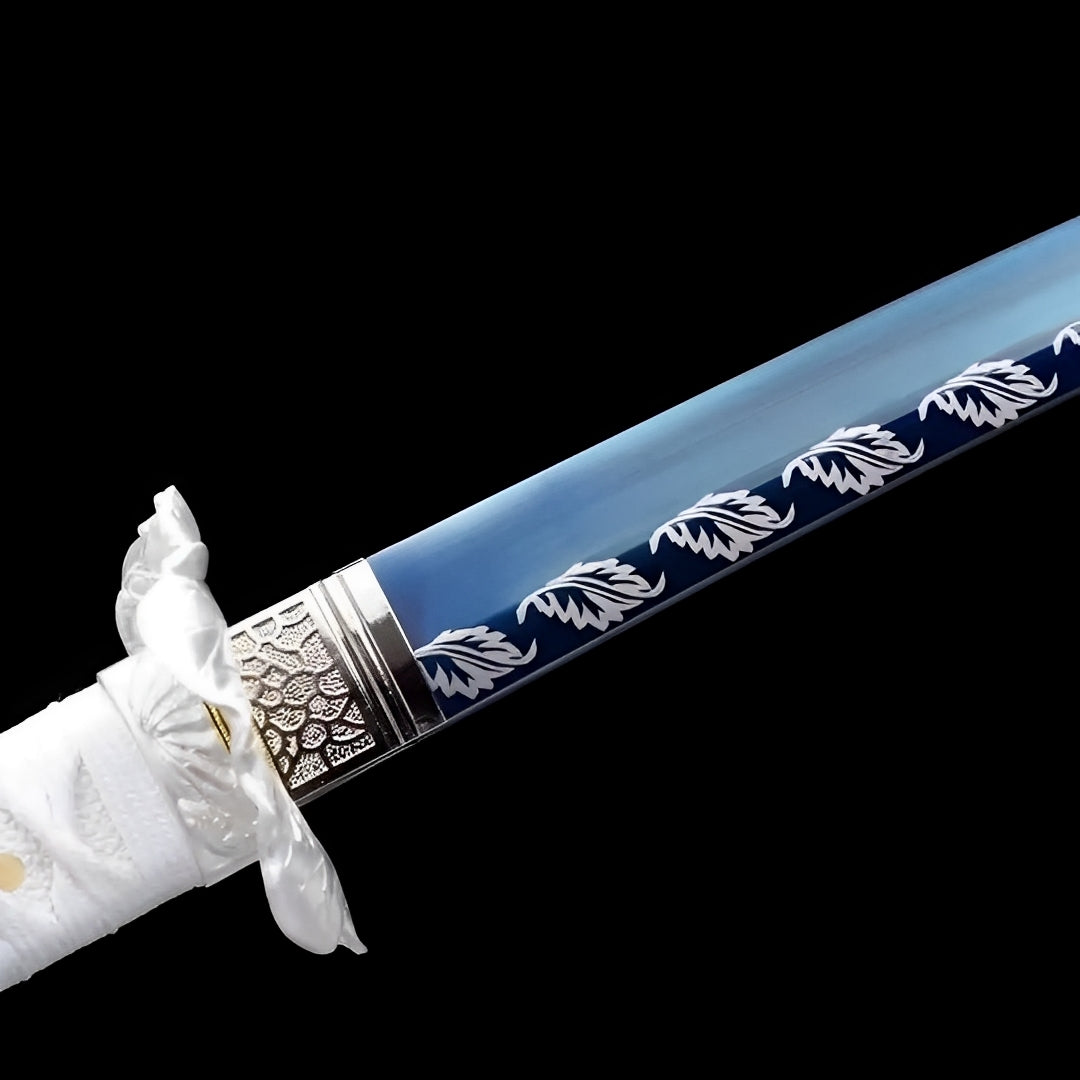
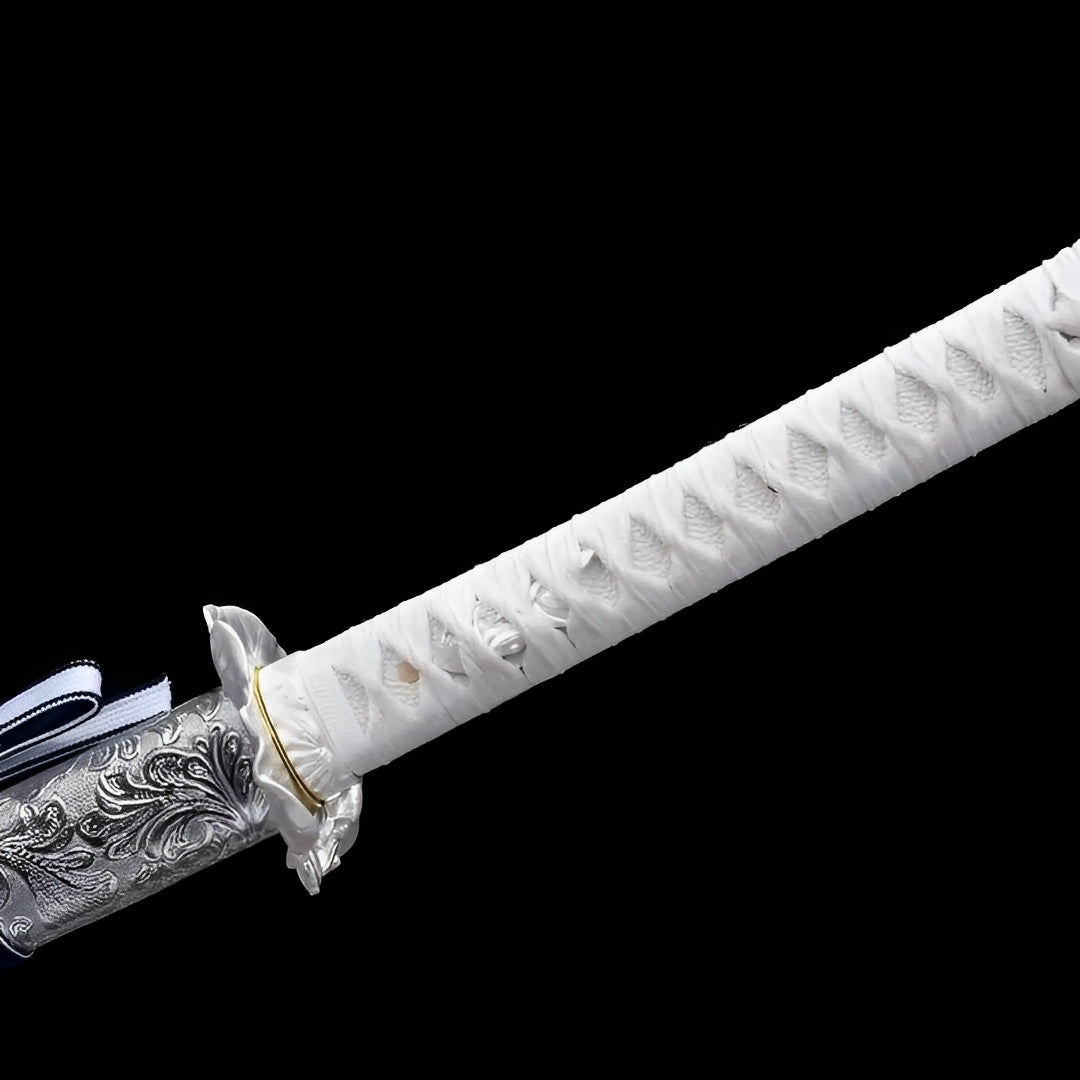
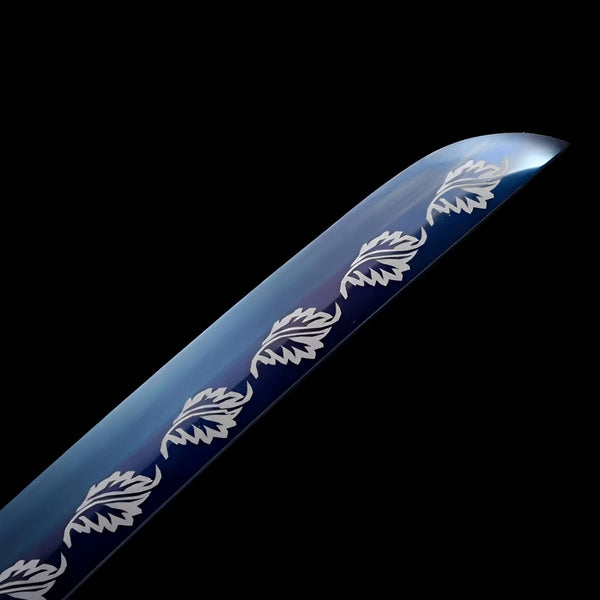
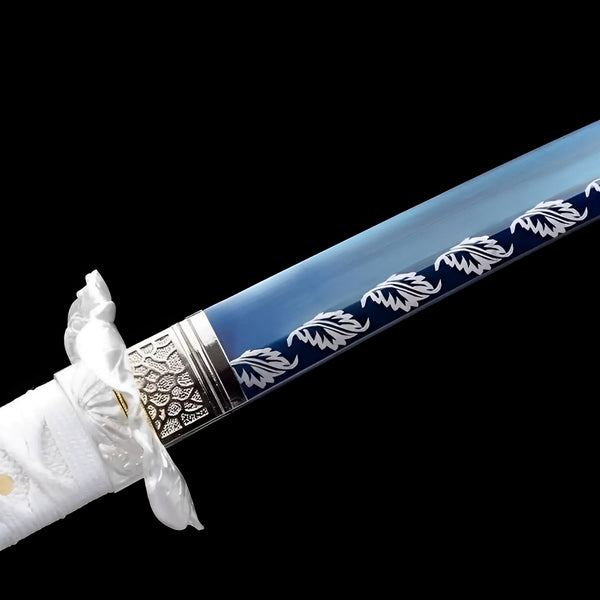
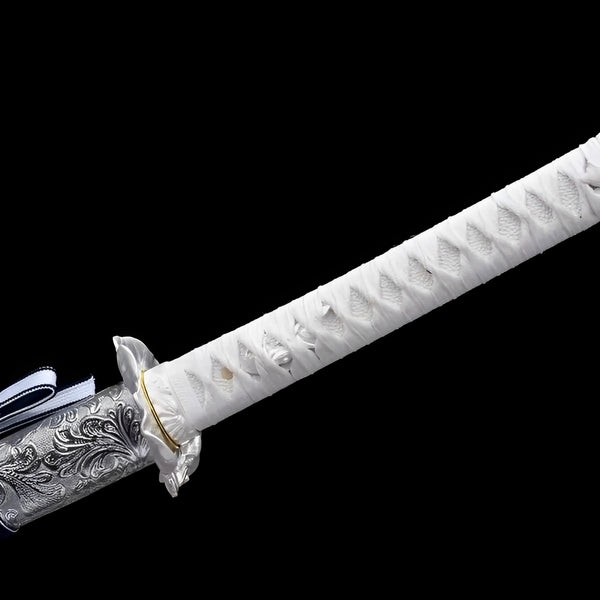
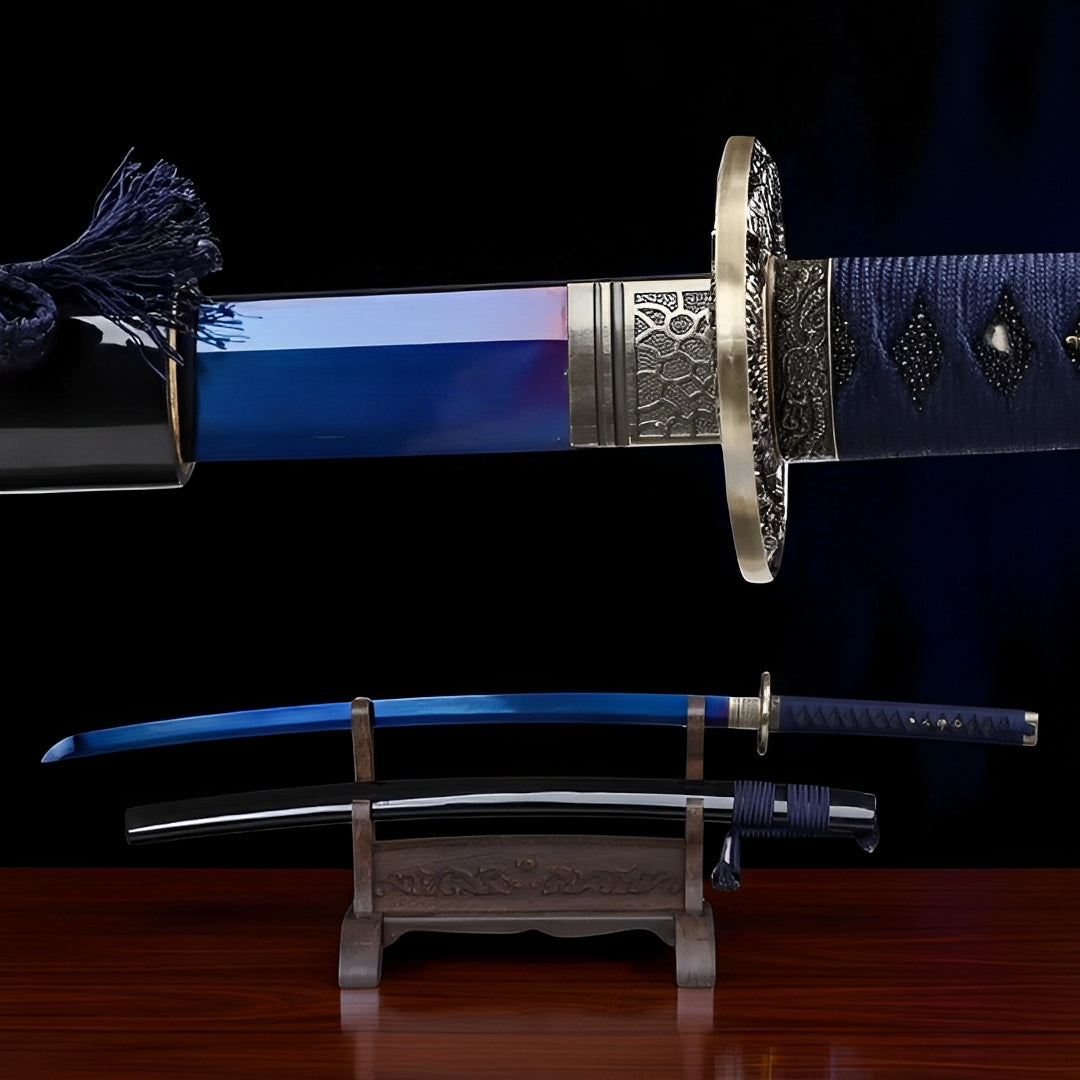
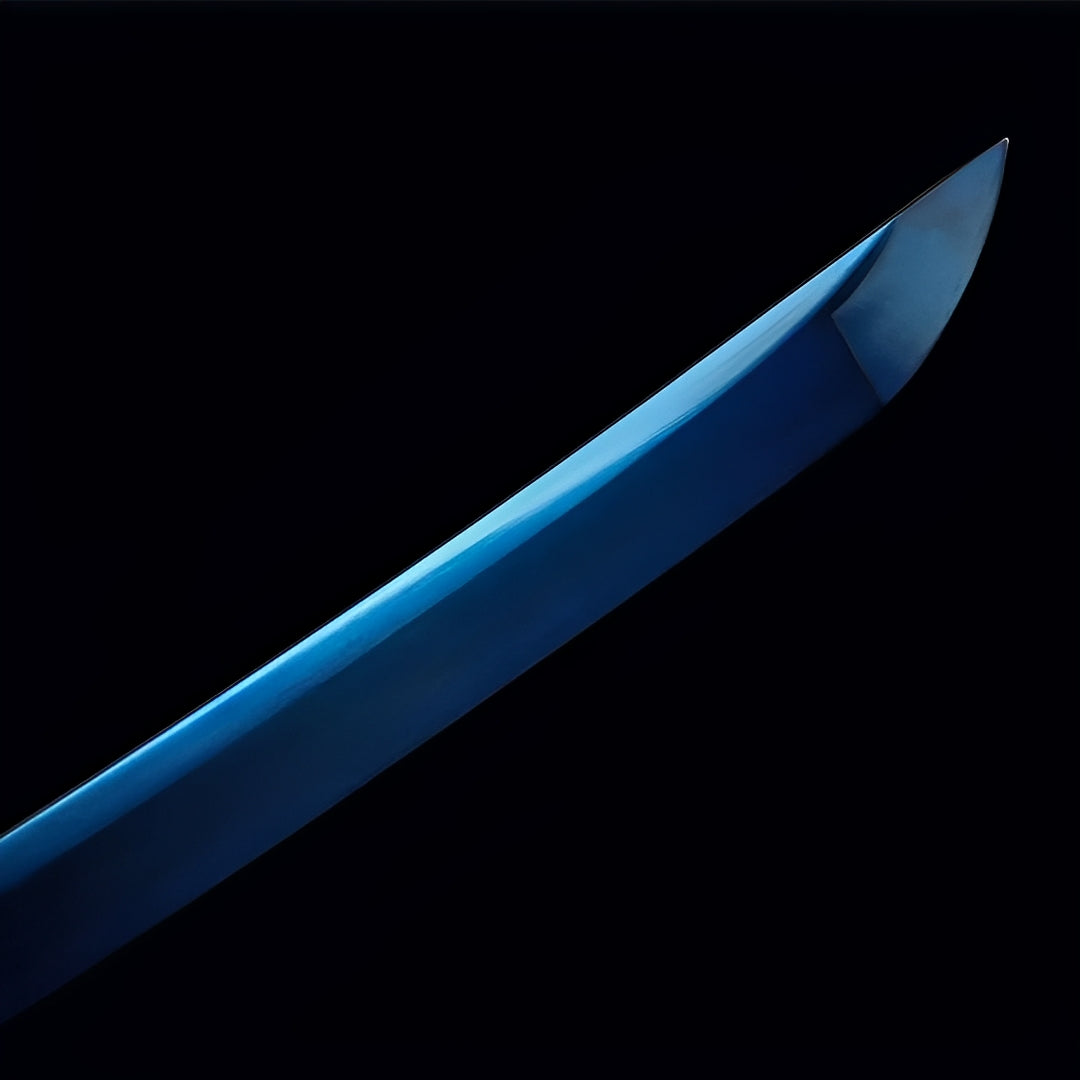
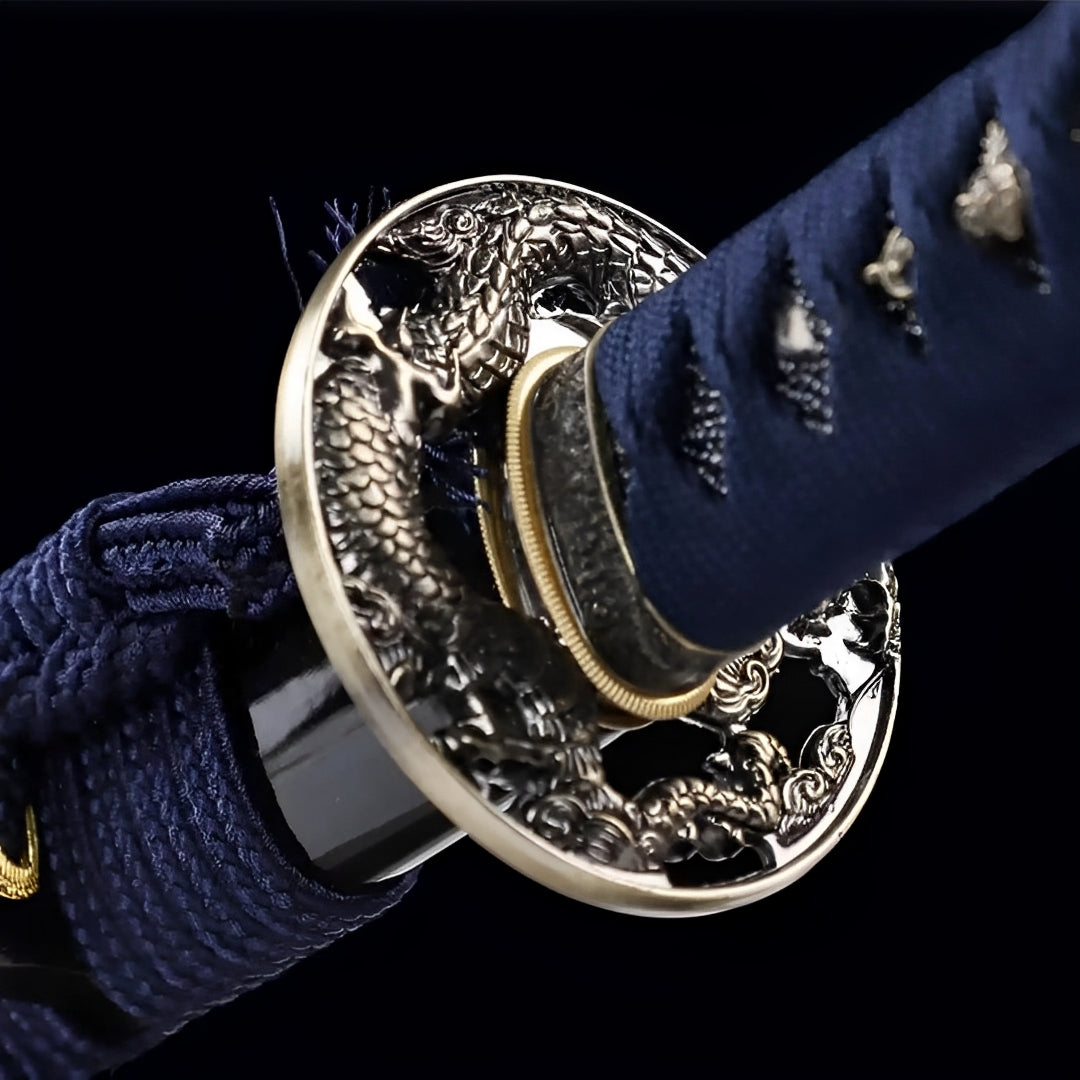
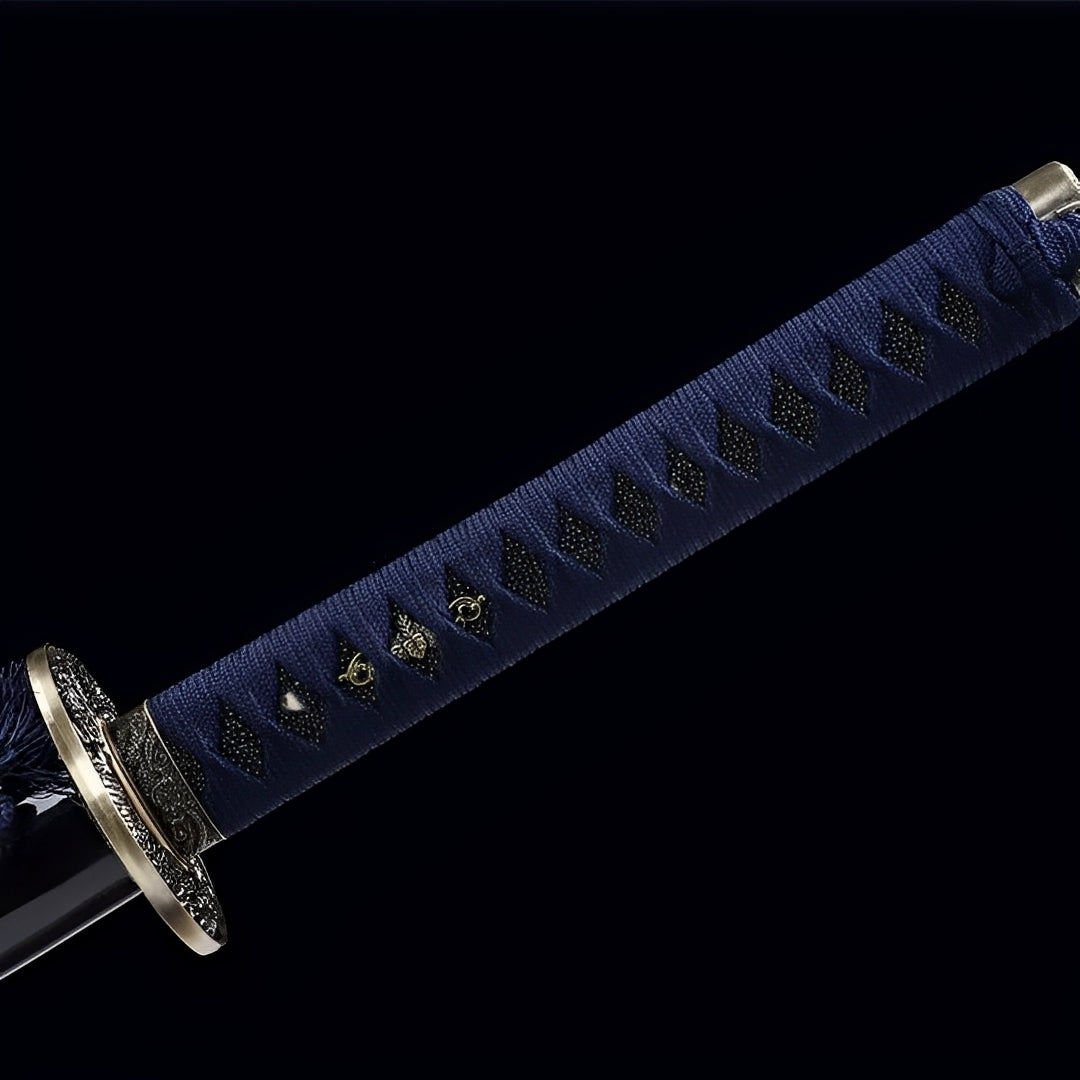
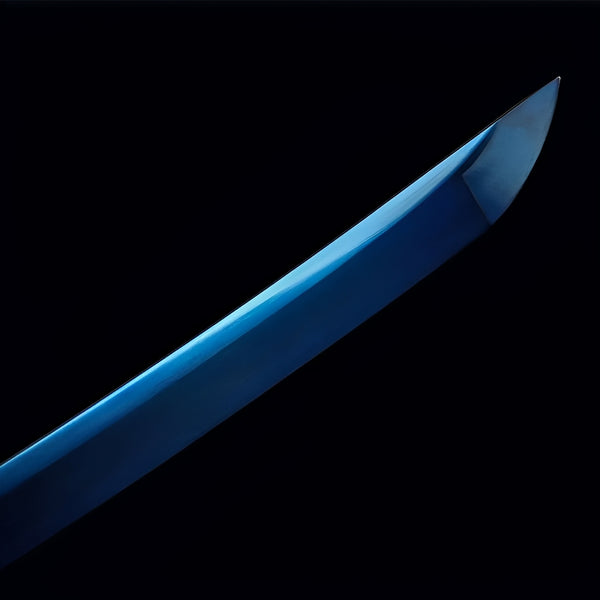
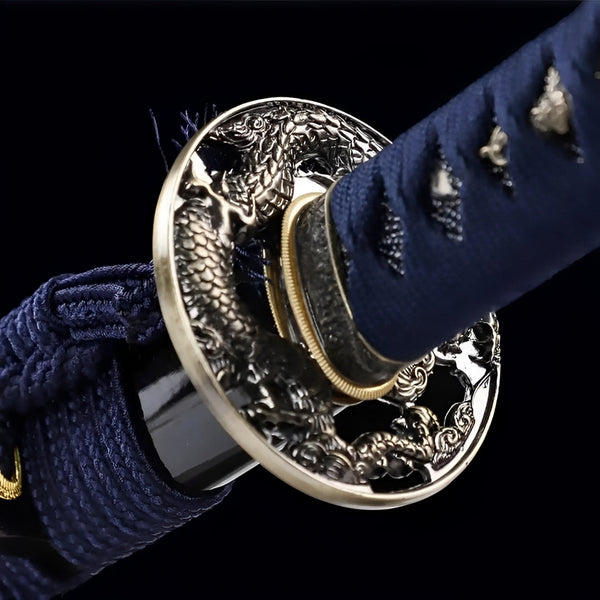
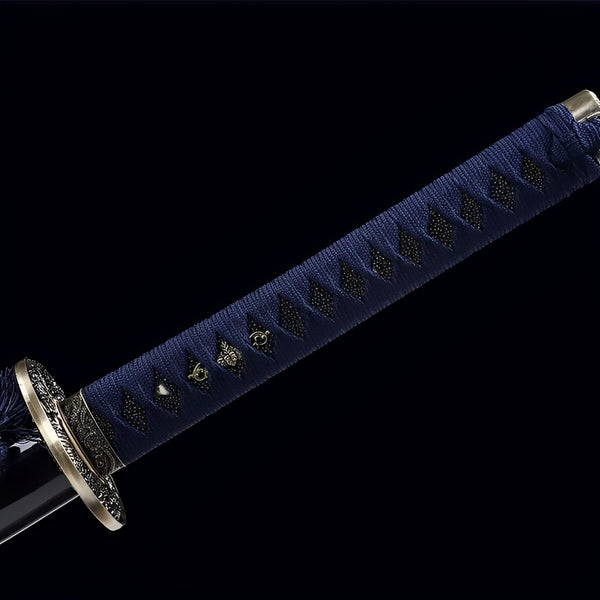
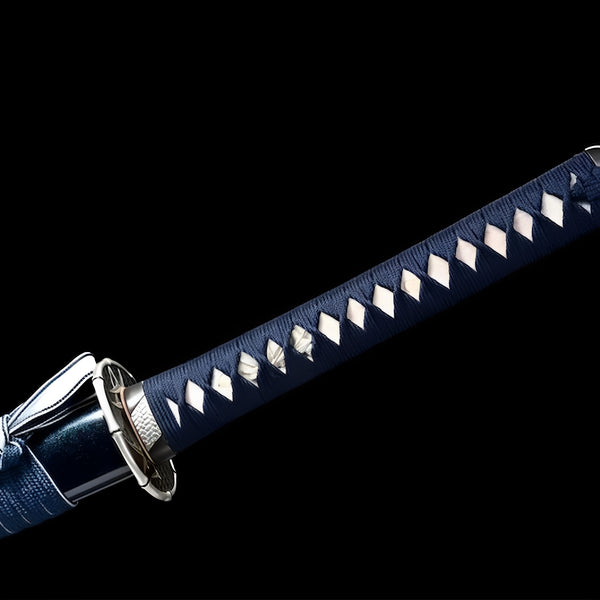
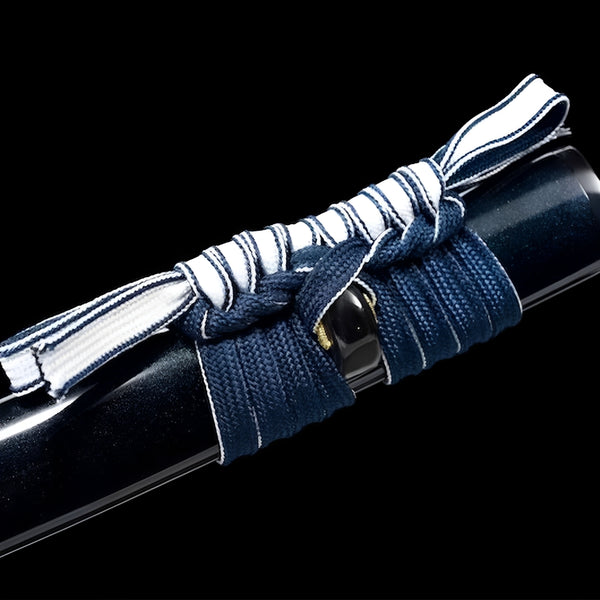
The Blue Dragon leads with a blue blade and a dragon guard in gold tones. The Jin Sakai pairs a white handle with a blue scabbard inspired by Ghost of Tsushima. Two very different looks, both with T10 steel listed in their specifications.
There's room for different tastes and budgets in our entry-level, mid-range and high-end collections. The blade is part of the story; the fittings, finish and accessories matter too.
Our katana price guide takes a closer look at what goes into the price.

Create your custom katana
Already have a design in mind? Start with the blade, then bring the handle, guard and scabbard together in our custom katana builder. The available options and the price of your selection are shown as you build.
You might have a simple black-and-white design in mind, or something much bolder. If a detail is missing from the builder, tell us about it and we'll confirm what we can do.
Personalized orders have their own preparation times and return conditions, so keep those in mind when planning your piece.
LEARN MORE ABOUT THE KATANA

Tessaiga: The Fang Sword of Inuyasha Explained (Forms, Origins & Real-World Inspiration)
Tessaiga is the most iconic sword in Inuyasha, a blade forged from a demon's fang that grows into a colossal weapon when wielded with the...
READ MORE →
How to Sharpen a Katana: Methods, Mistakes & When Not To
How to sharpen a katana the right way: the difference between sharpening and polishing, why DIY methods destroy blades, what owners can safely do at...
READ MORE →
Parts of a Katana: Complete Anatomy Guide
Parts of a katana broken down zone by zone: every named component of the blade, handle, scabbard, and fittings, what each one does, and why...
READ MORE →FREQUENTLY ASKED QUESTIONS
Our entry-level, mid-range and high-end collections start at around $200, $300 and $600. The exact price is shown on each product page and depends on the model and options you select.
Steel is only part of the price. The blade finish, fittings and included accessories matter too. If you're wondering what a bigger budget gets you, our katana price guide is a good place to start.
EVERYTHING YOU SHOULD KNOW ABOUT KATANA SWORD PARTS
Welcome to Katana Corp. Here's everything you need to know about the parts that make up a traditional Japanese Katana. The katana is more than a sword. It's a precise work of art, shaped by centuries of craftsmanship. Below is a breakdown of each component.
The sori measures the curvature of the blade. This curve varies depending on the sword and affects both style and cutting technique.
The shinogi is the ridgeline running along the blade. The flat surface between the shinogi and the spine is called shinogi-ji. Together, they define the katana's structure and strength.
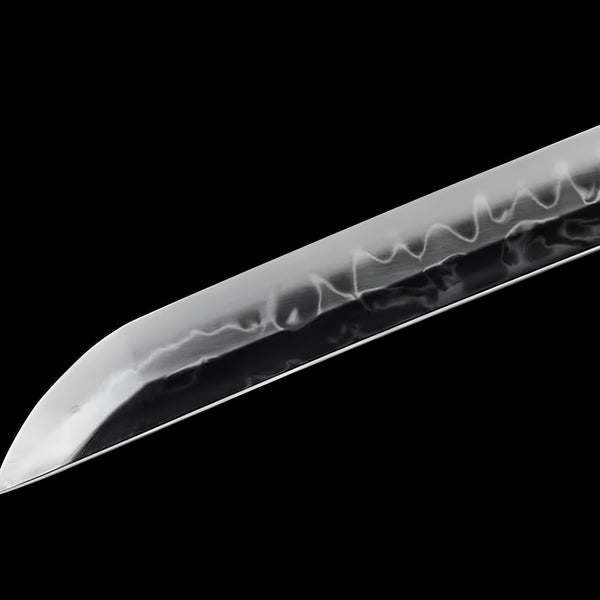
The hamon is the temper line created during differential hardening. It's the visible border between the hardened cutting edge and the softer body. Made using a clay mixture, this line is both functional and aesthetic.
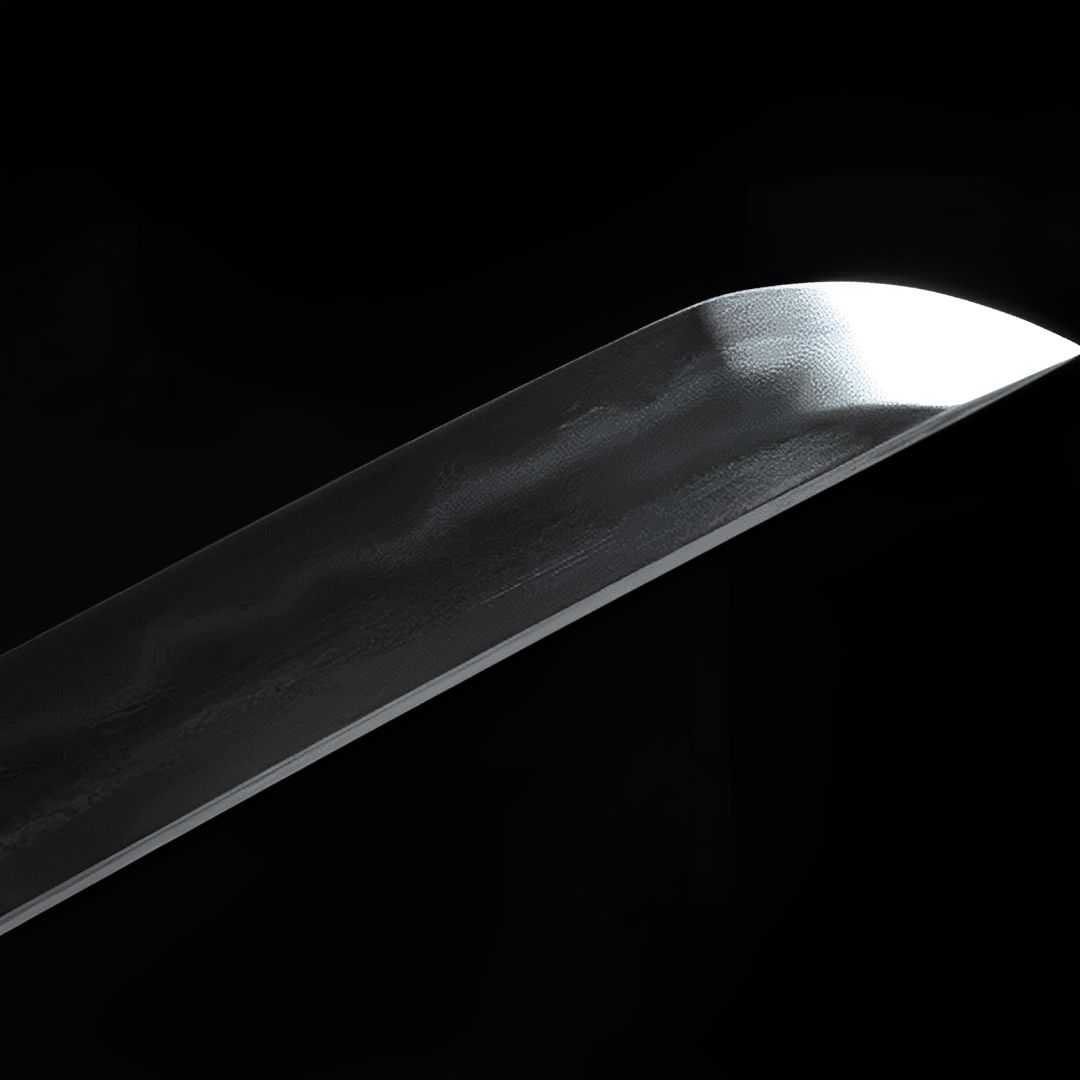
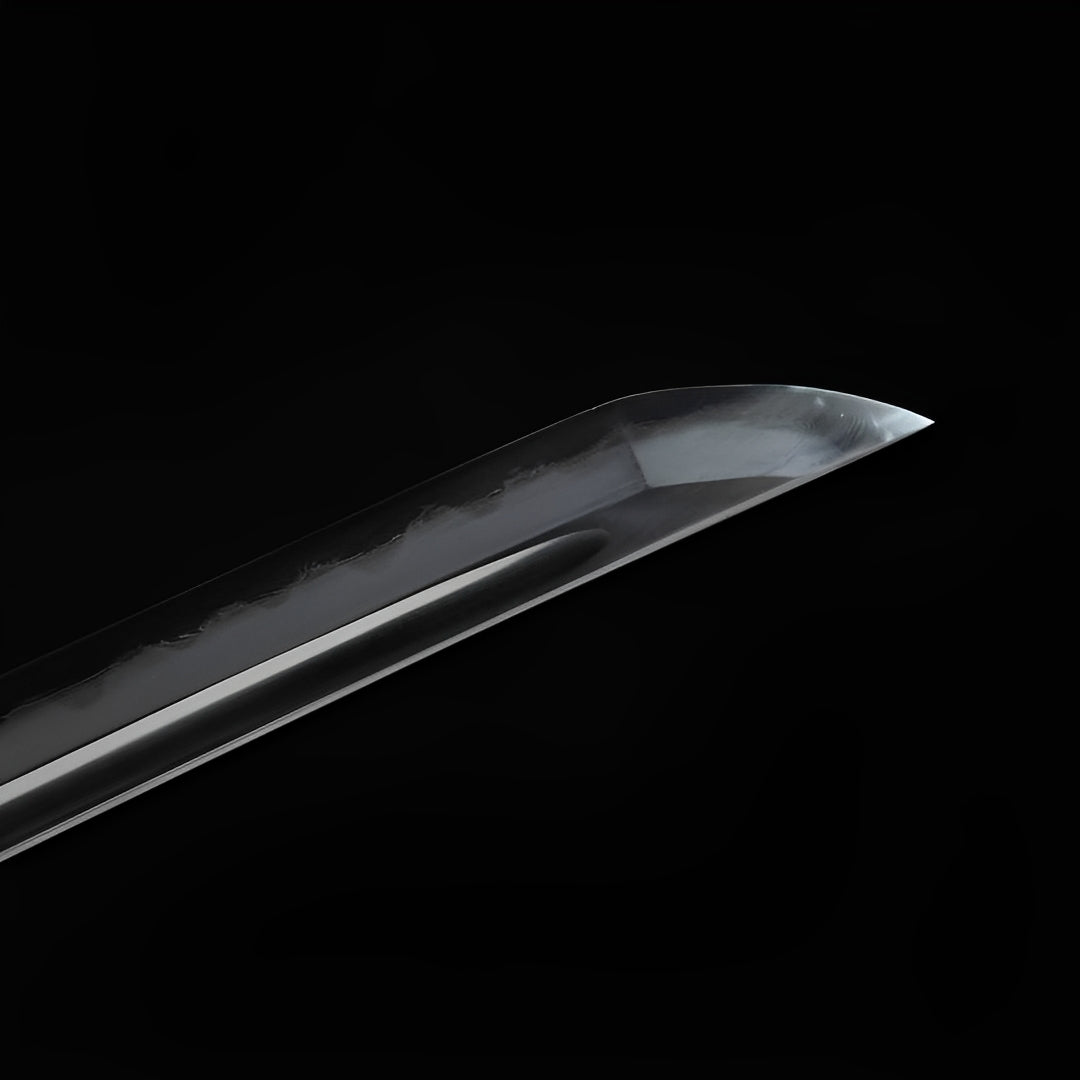
This is the continuation of the hamon into the blade's tip, the kissaki. Proper polishing of the boshi is crucial and requires great skill.
The yokote is the line separating the main blade from the tip. While most katanas have it, some have a continuous blade without a yokote.
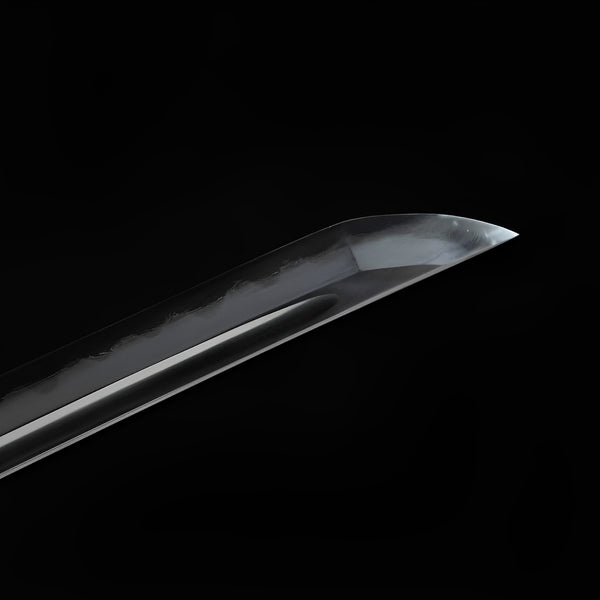
The kissaki is the blade's tip. Its size and shape vary, and it's defined by its separation from the rest of the blade via the yokote.
The ha is the cutting edge of the blade. It's traditionally hardened and sharpened to ensure durability and sharpness over time.
The bo-hi is a groove carved along the blade to reduce weight and adjust the balance. It also creates a distinct sound when swinging.
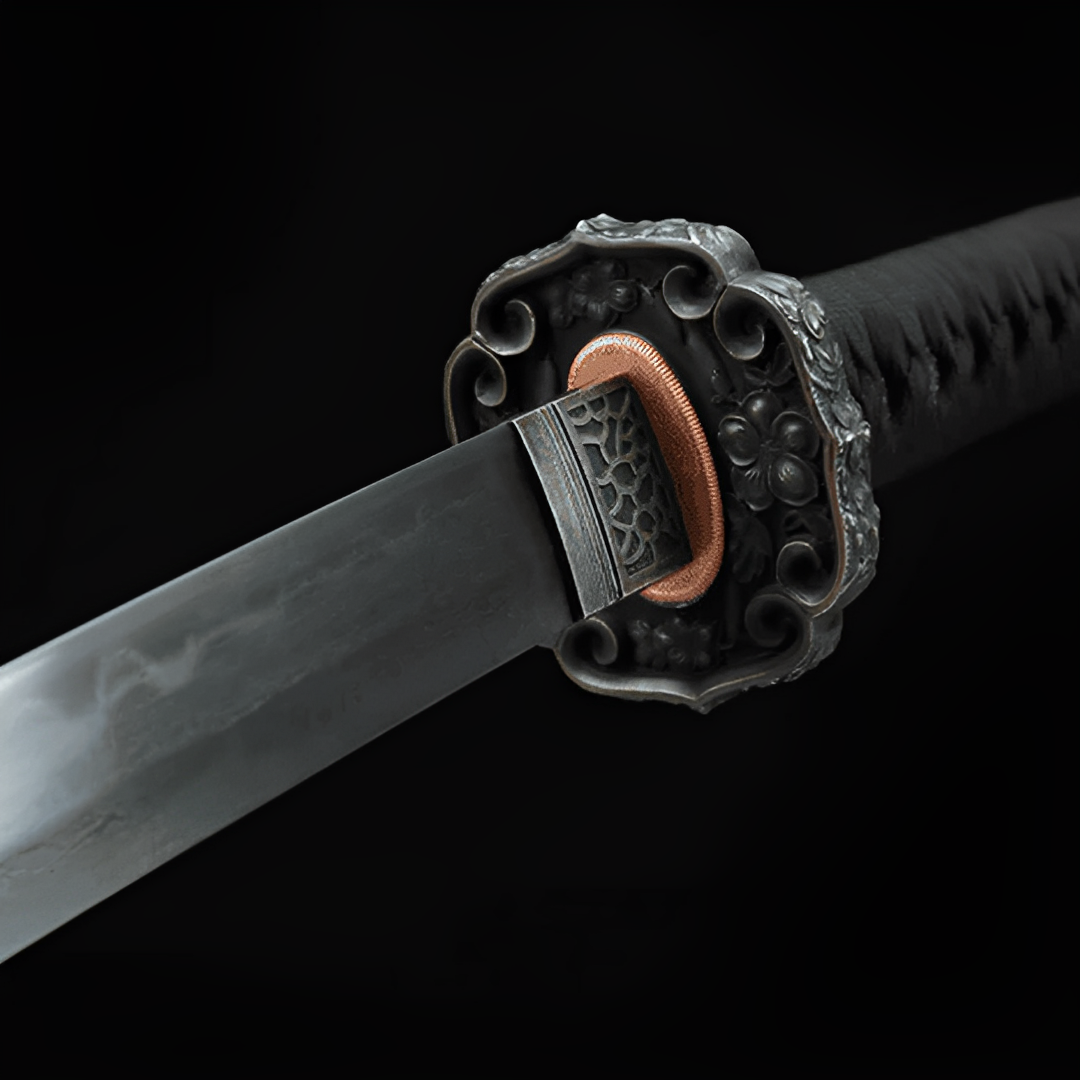
The nakago is the tang, the portion of the blade that extends into the handle. It often carries the smith's signature and is essential to the sword's strength.
The saya is the scabbard, usually made of lacquered wood. It's designed for quick drawing while keeping the blade secure when sheathed.
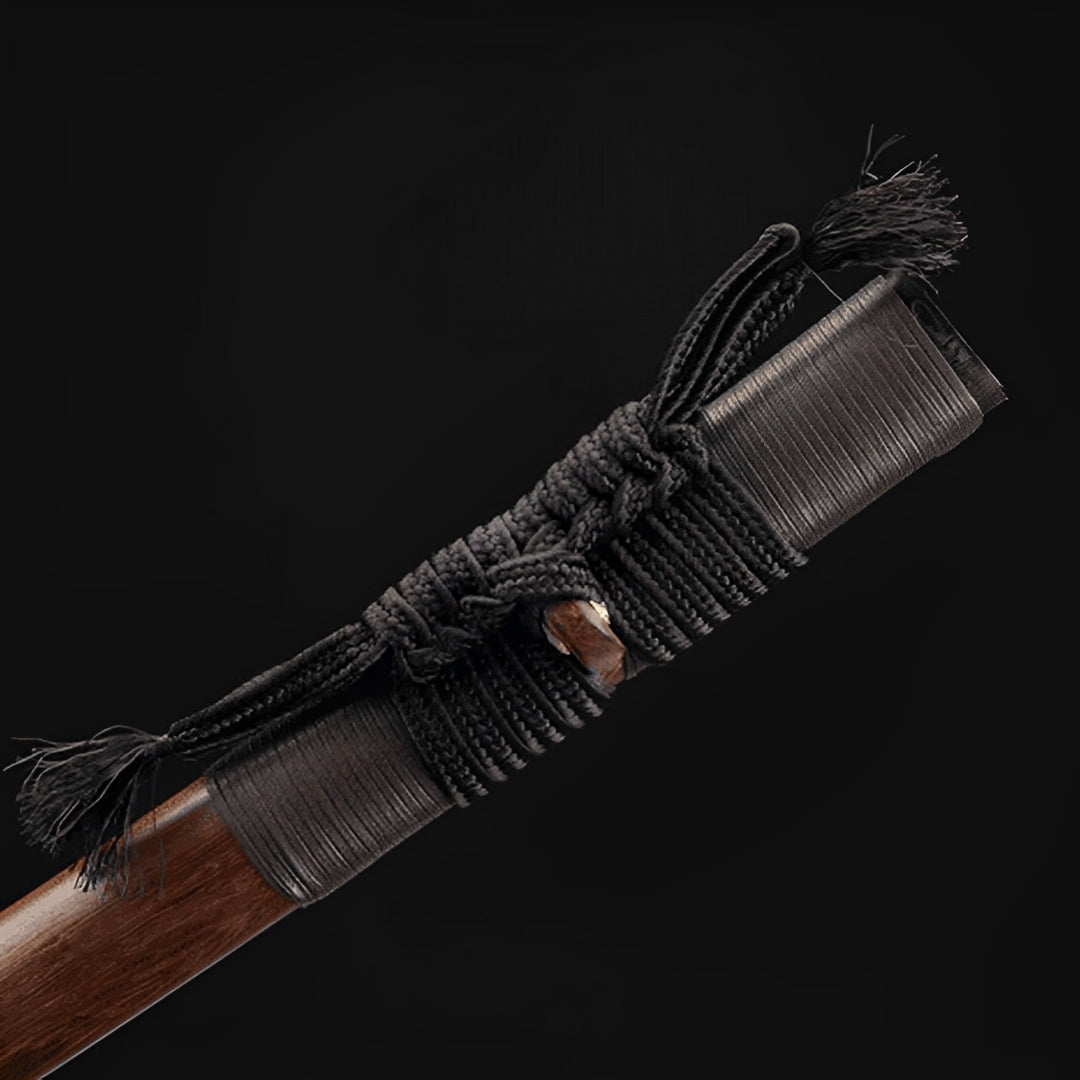
These components anchor the sageo cord to the saya. They add both functionality and decorative value to the scabbard.
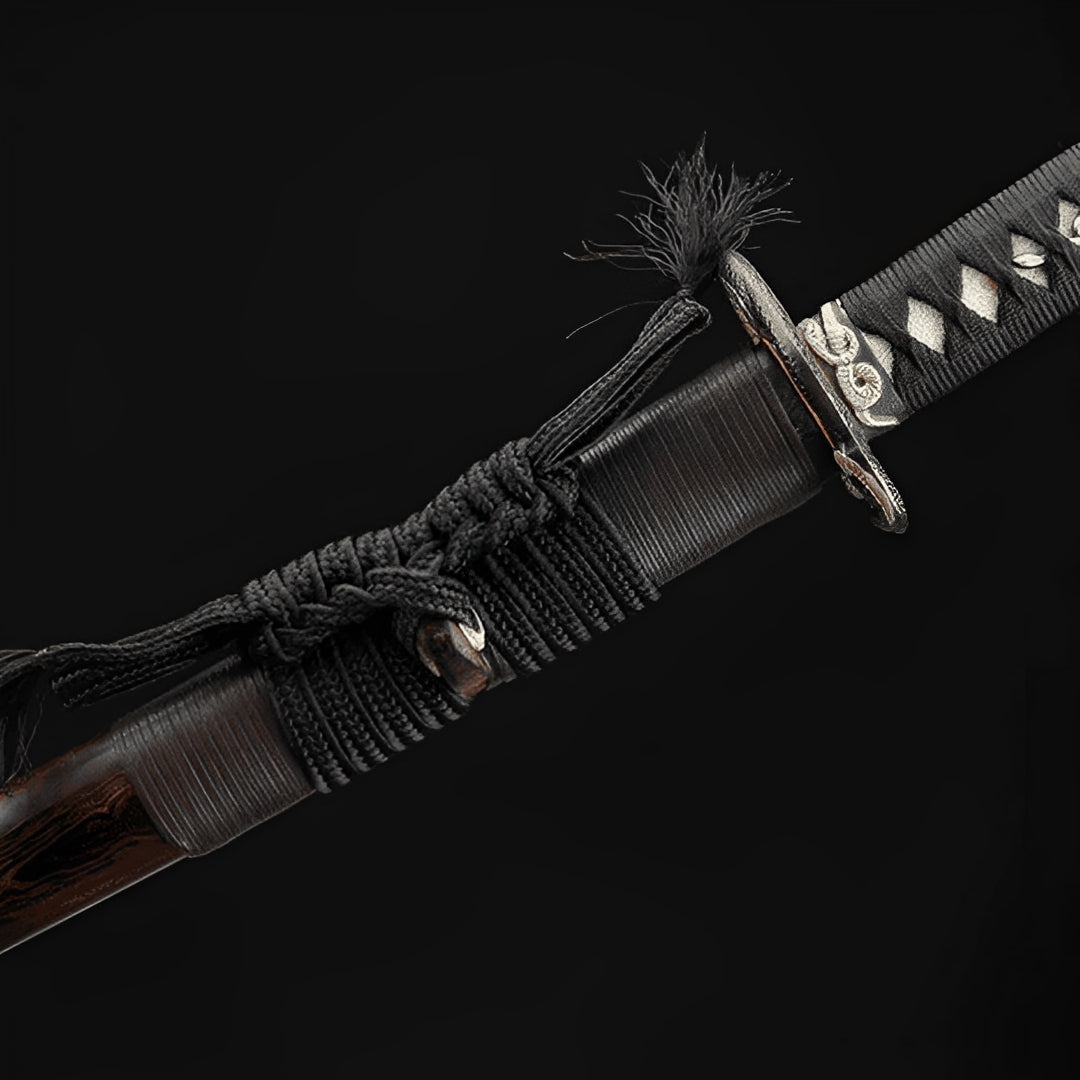
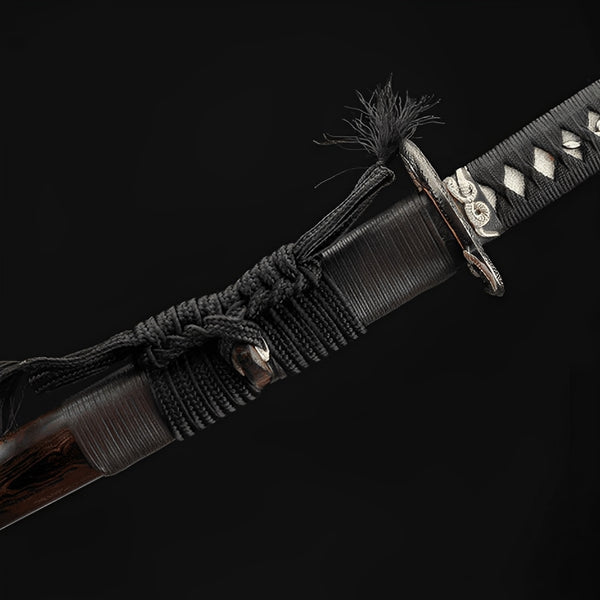
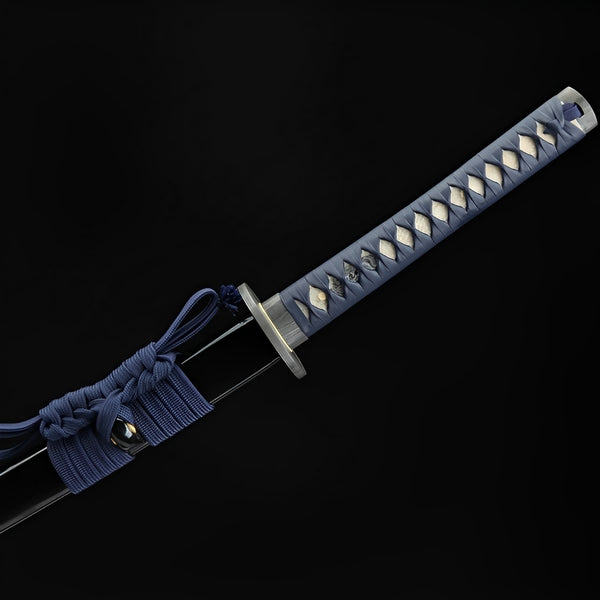
The sageo is the cord used to tie the katana to the wearer's belt. It comes in different materials and colors, often matching the handle's design.
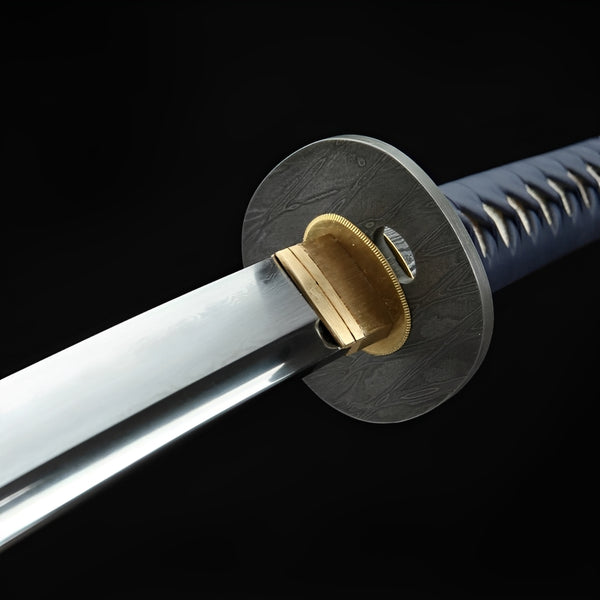
The habaki is a metal collar that helps seat the blade securely into the saya and dampens vibrations. The seppa are spacers that stabilize the tsuba.
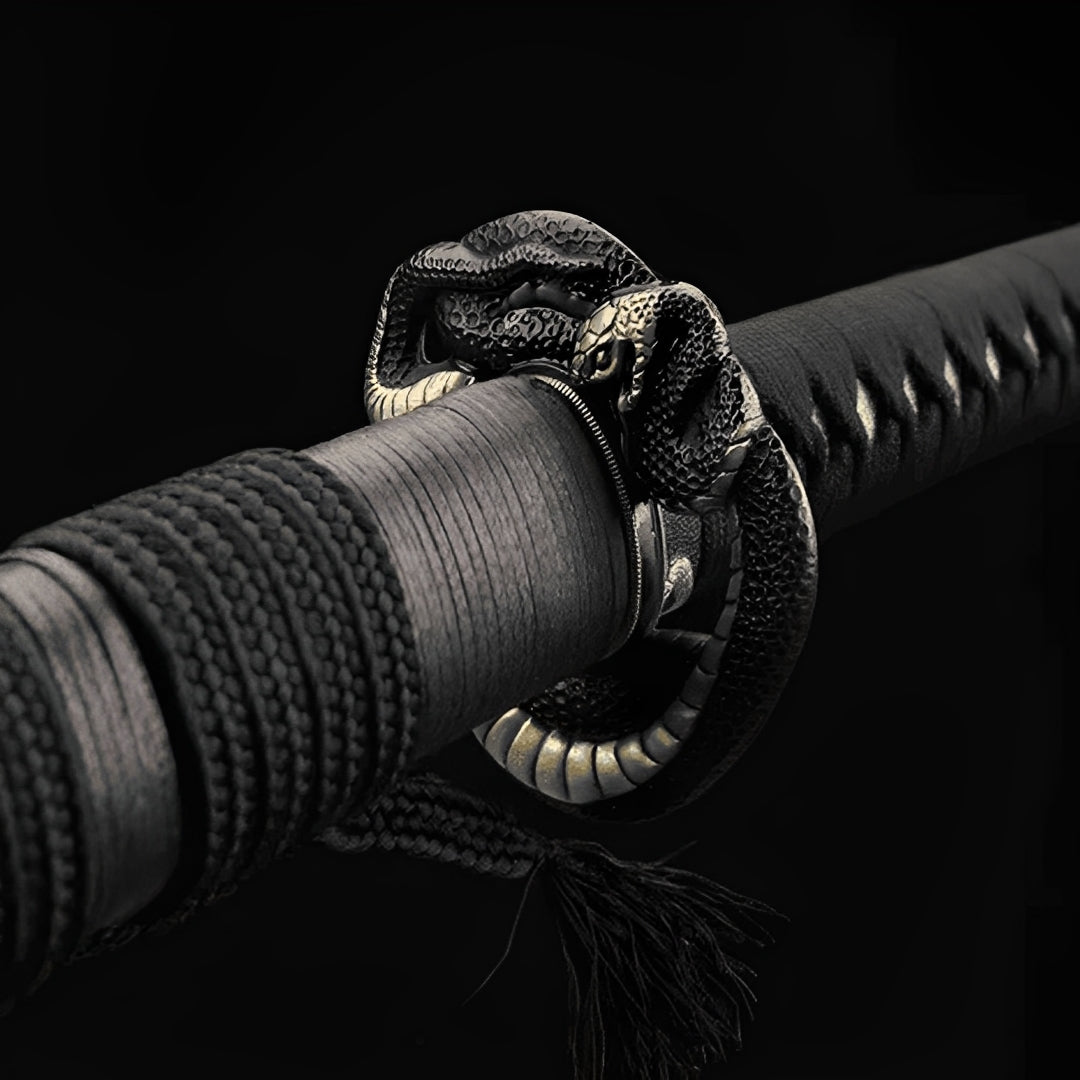
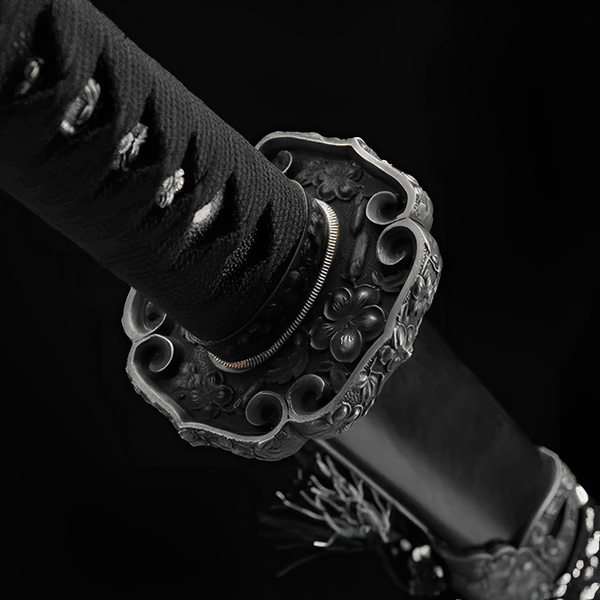
The tsuba is the guard between the blade and handle. It protects the wielder's hand and balances the blade, often decorated as a piece of art.
The fuchi is a metal collar at the base of the handle, adding strength and covering the junction between blade and grip.
This is the wrapping cord around the handle. Made from leather, cotton, or silk, it ensures grip and aesthetics, wrapped in specific patterns.
Same is the ray skin or shark skin beneath the tsuka-ito. It provides texture and grip, while also absorbing shock.
Mekugi are bamboo pegs driven through the handle to secure the tang. Although just two small pieces, they keep the blade fixed in place.
These are small ornamental pieces placed under the tsuka-ito. They add both decoration and grip enhancement.
The kashira is the pommel cap at the end of the handle. It secures the wrapping and adds balance and visual symmetry with the fuchi.
Each of these parts contributes to the katana's performance, balance, and identity. Knowing them deepens your appreciation for one of Japan's most iconic swords.
THE COLLECTOR'S DISPATCH
Be the first to see new arrivals
Forge stories, exclusive previews, and the craft behind each blade. Sent occasionally, never more than once a month.
Welcome gift
10% off your first order
No spam. Unsubscribe anytime.