


Damascus Steel

Forged Blade

Collector Quality

Trusted Globally

Inspired by Japan
Damascus Steel
Forged Blade
Collector Quality
Trusted Globally
Inspired by Japan
Damascus Steel
Forged Blade
Collector Quality
Trusted Globally
Inspired by Japan
Damascus Steel
Forged Blade
Collector Quality
Trusted Globally
Inspired by Japan

T10 Steel
Forged Blade
Collector Quality
Trusted Globally
Inspired by Japan
Damascus Steel
Forged Blade
Collector Quality
Trusted Globally
Inspired by Japan
T10 Steel
Forged Blade
Collector Quality
Trusted Globally
Inspired by Japan
T10 Steel
Forged Blade
Collector Quality
Trusted Globally
Inspired by Japan
Damascus Steel
Forged Blade
Collector Quality
Trusted Globally
Inspired by Japan
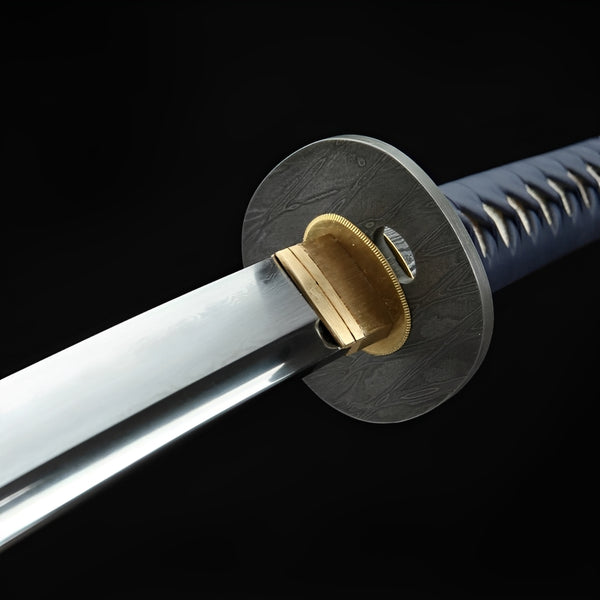
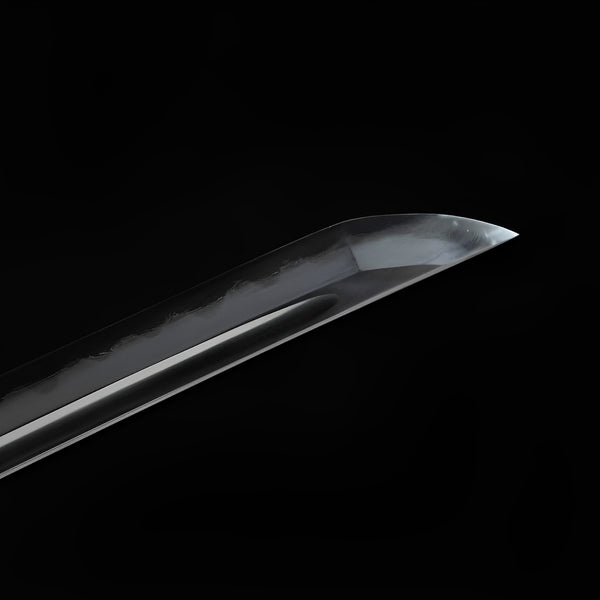
Damascus Steel
Forged Blade
Collector Quality
Trusted Globally
Inspired by Japan
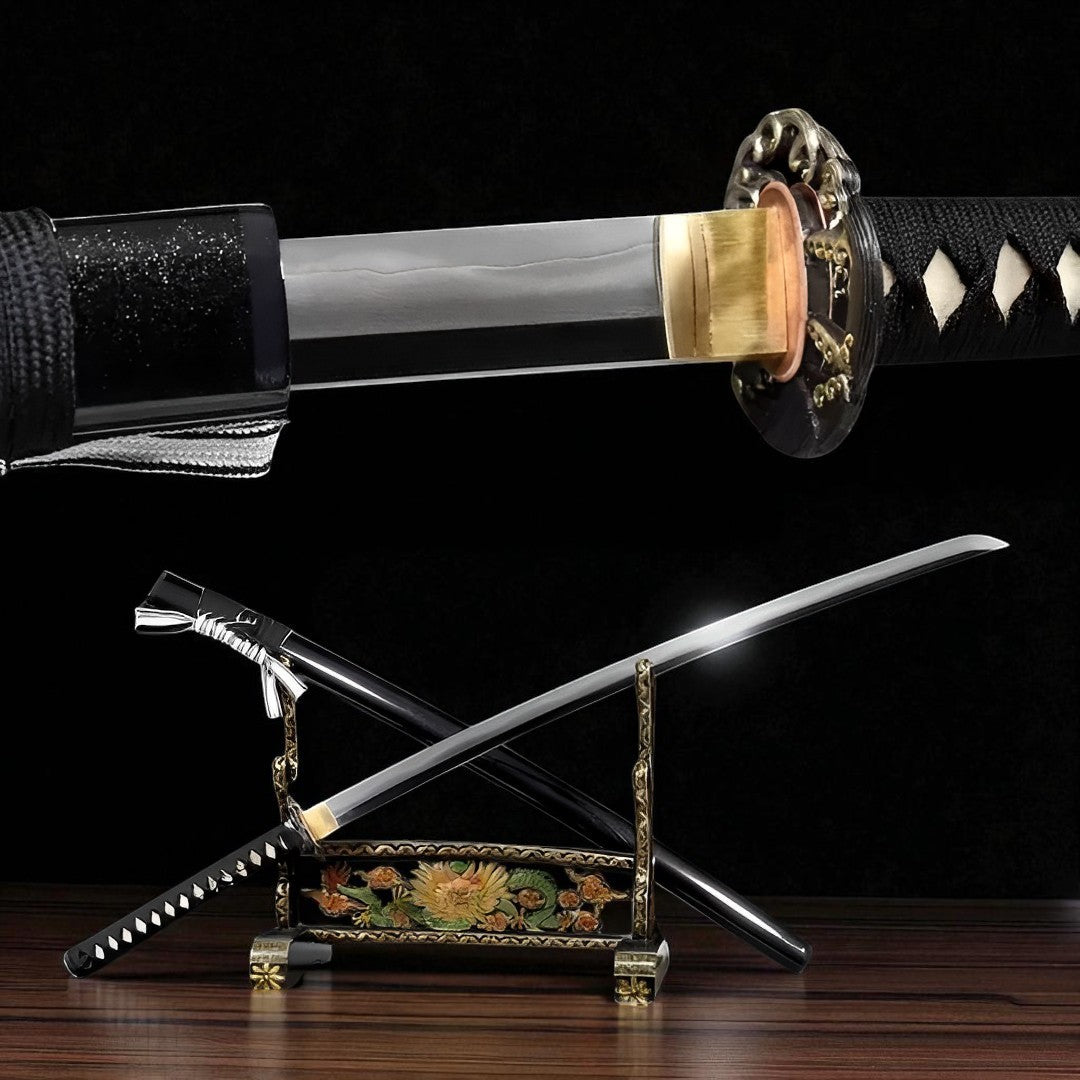
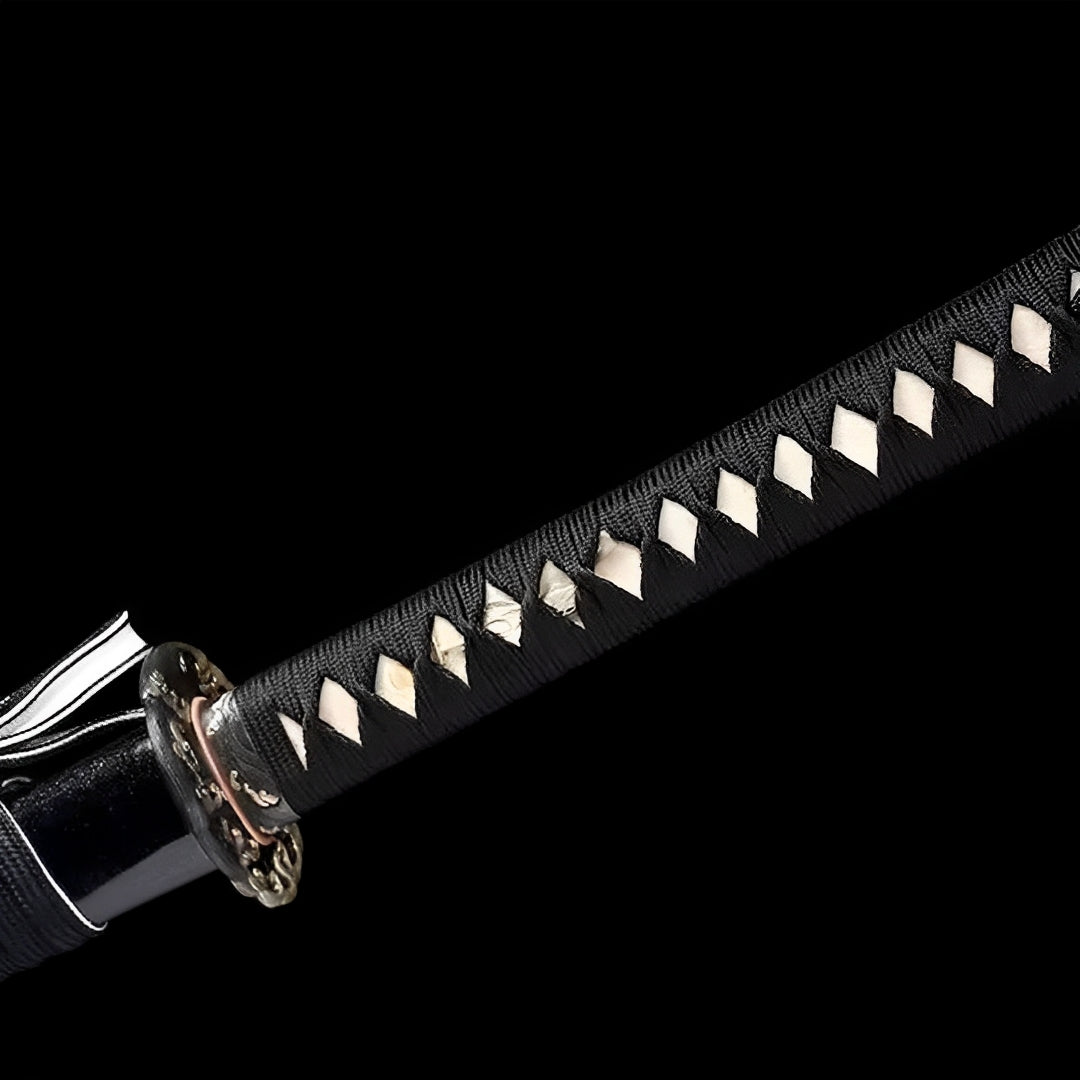
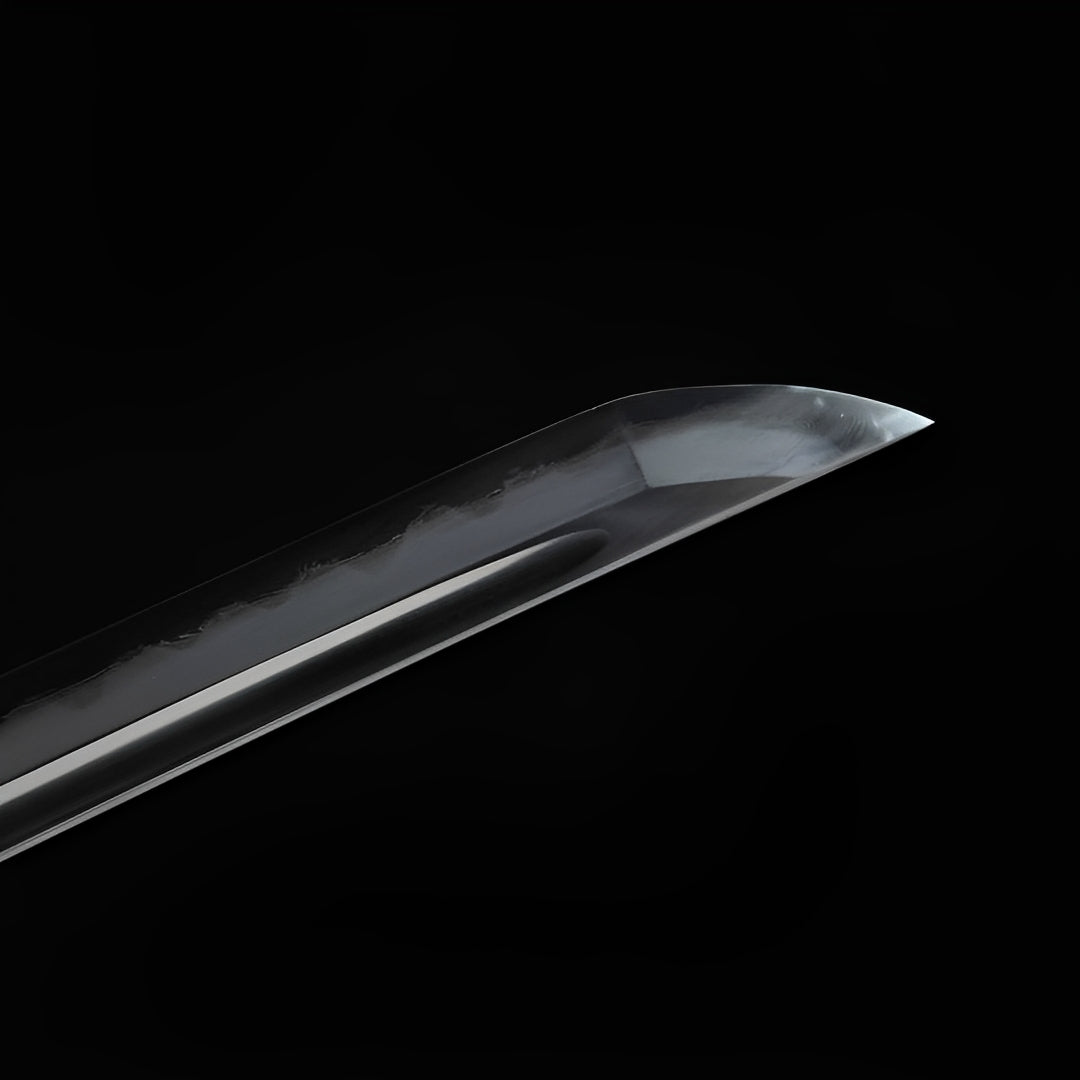
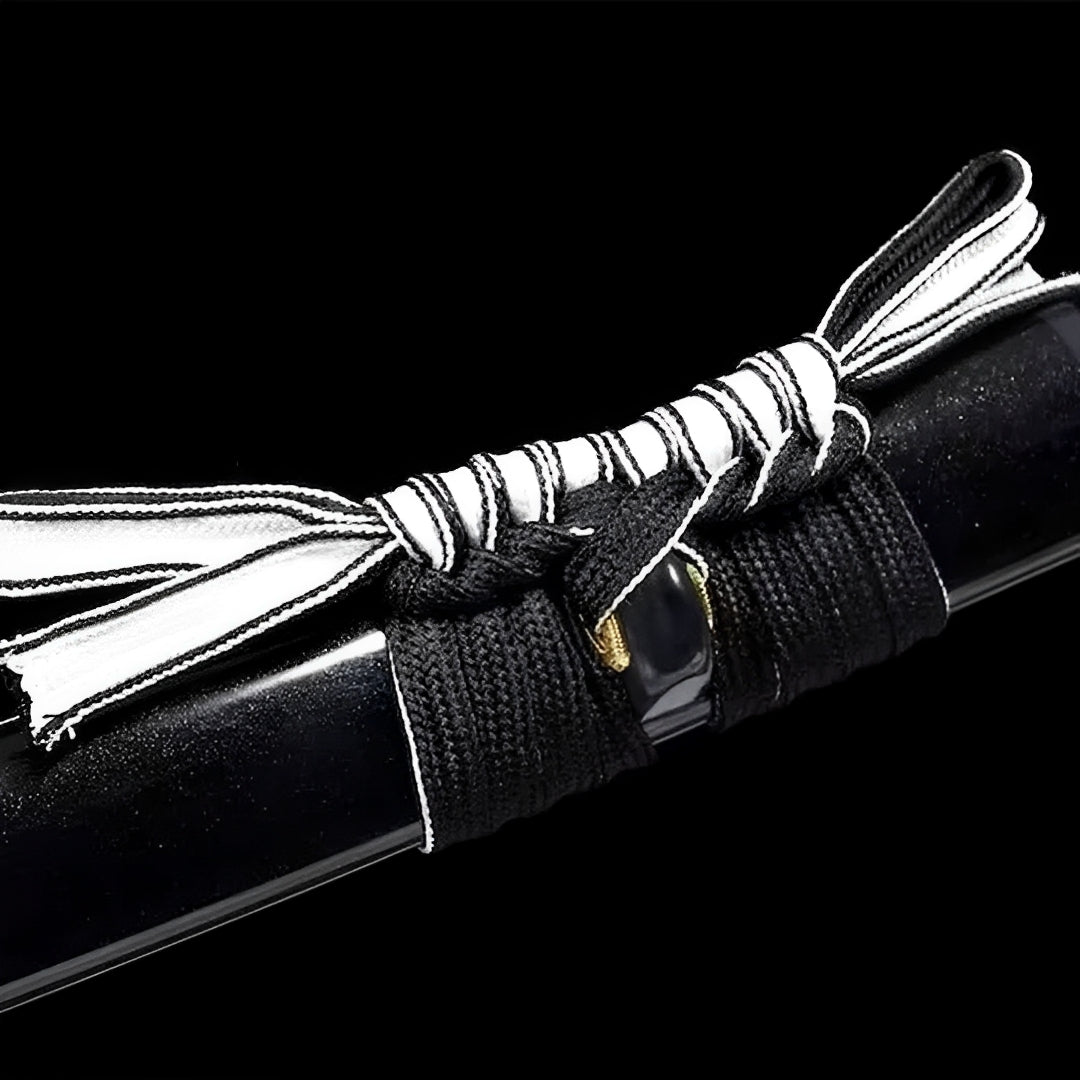
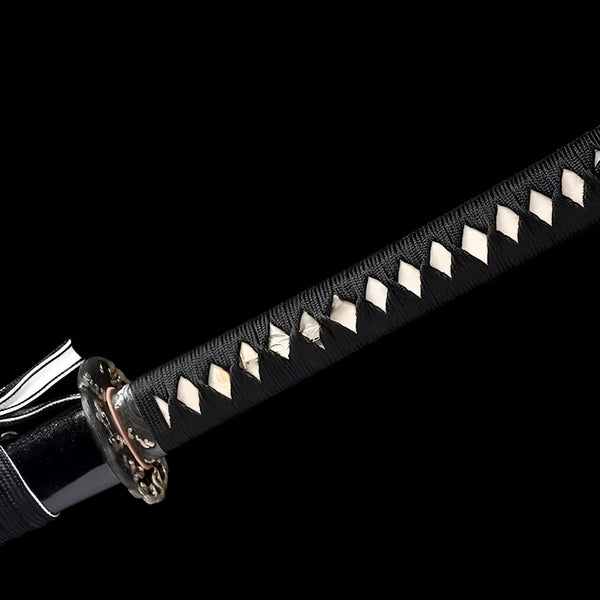
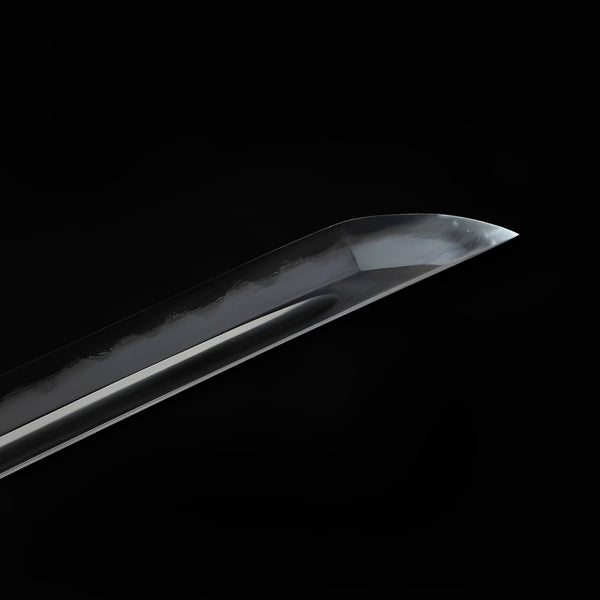
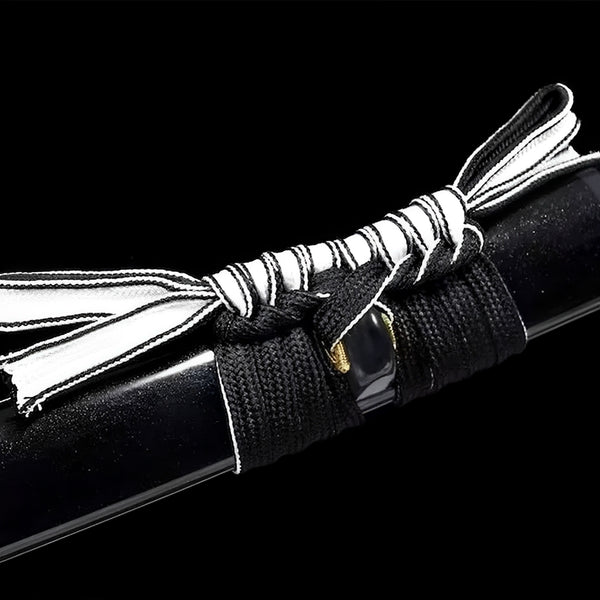
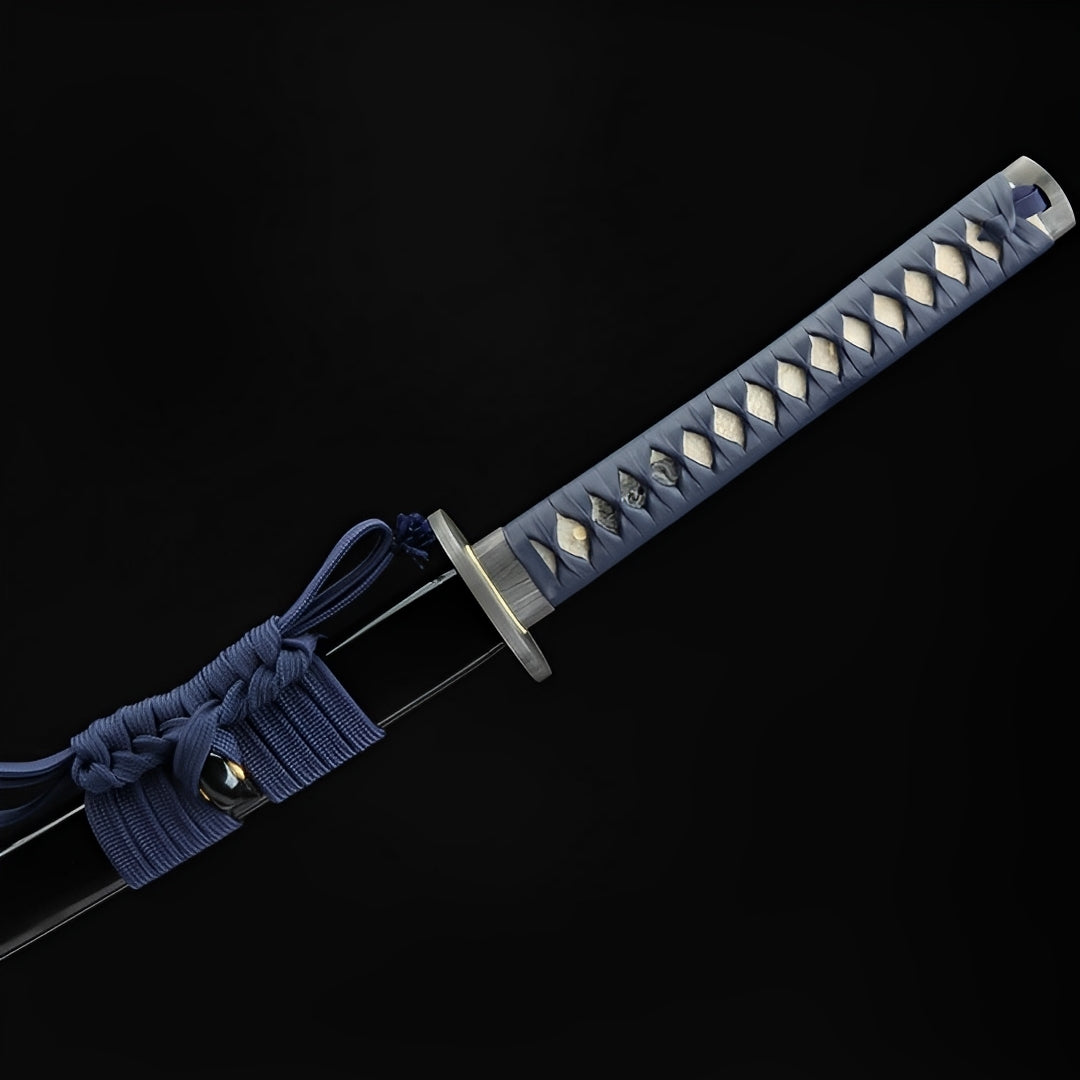
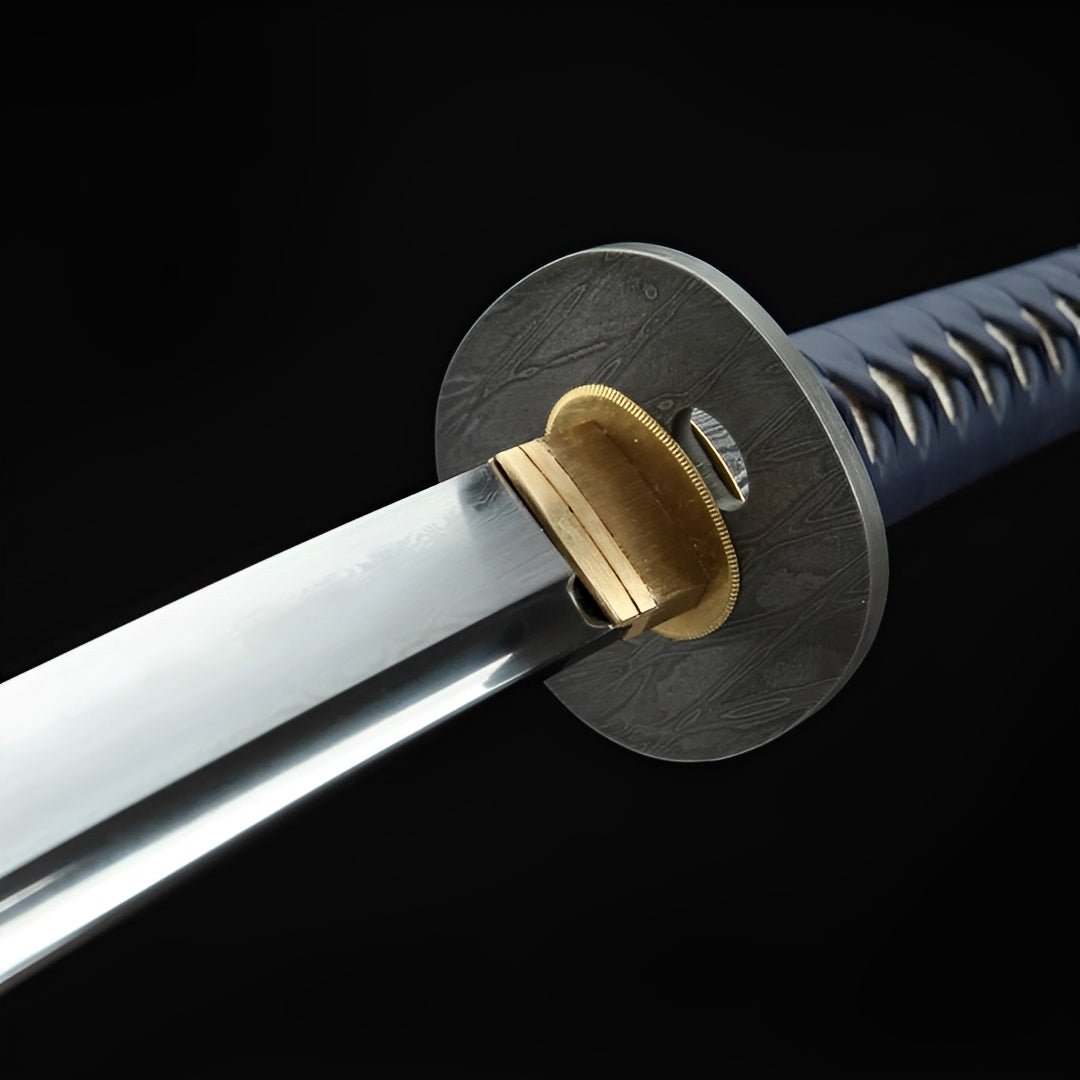
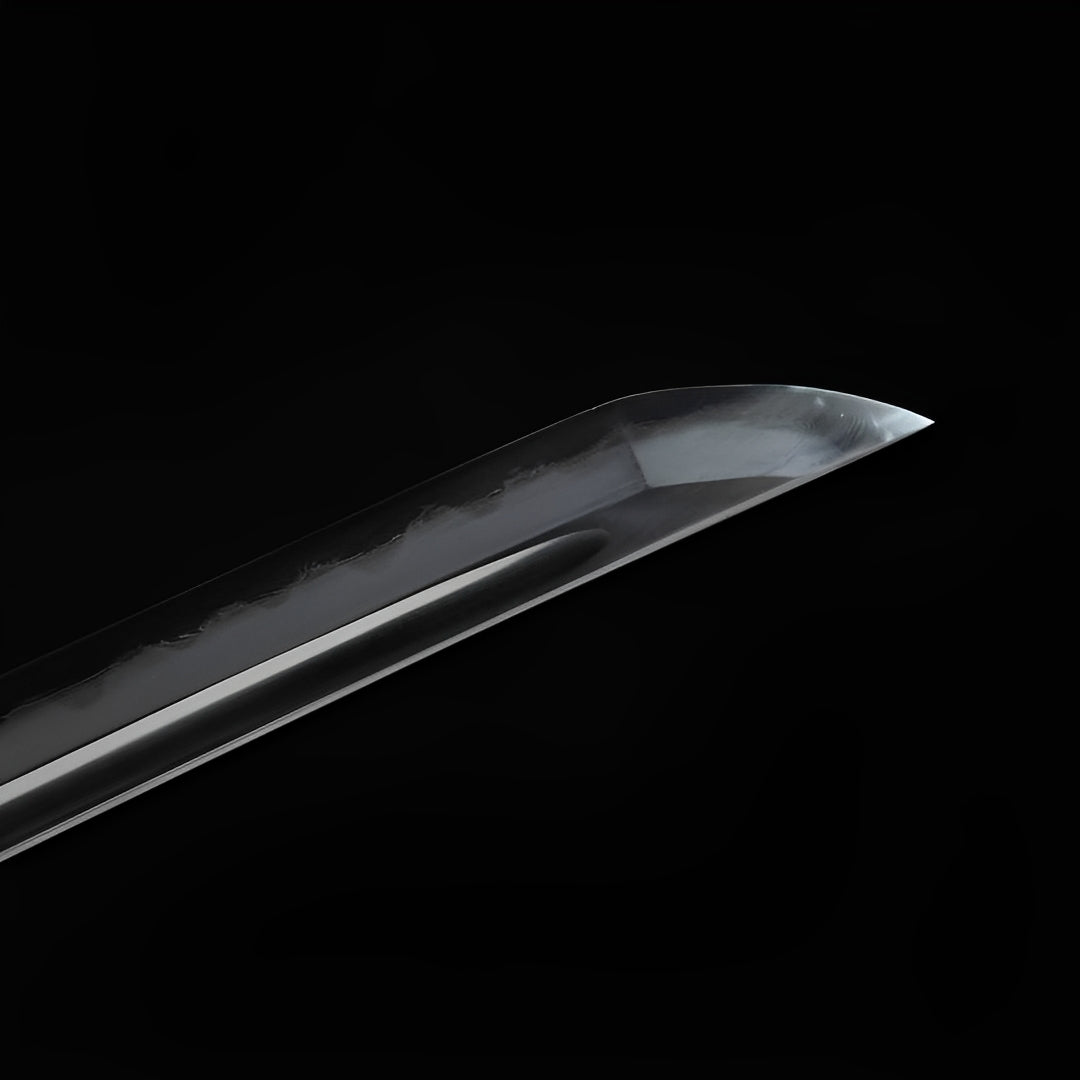
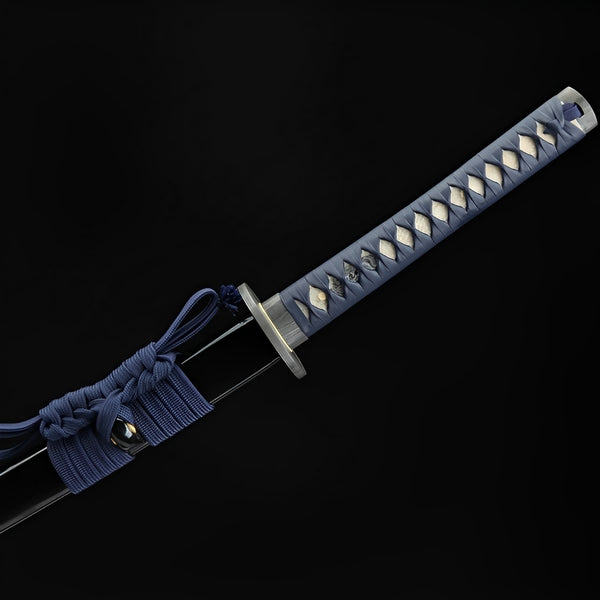
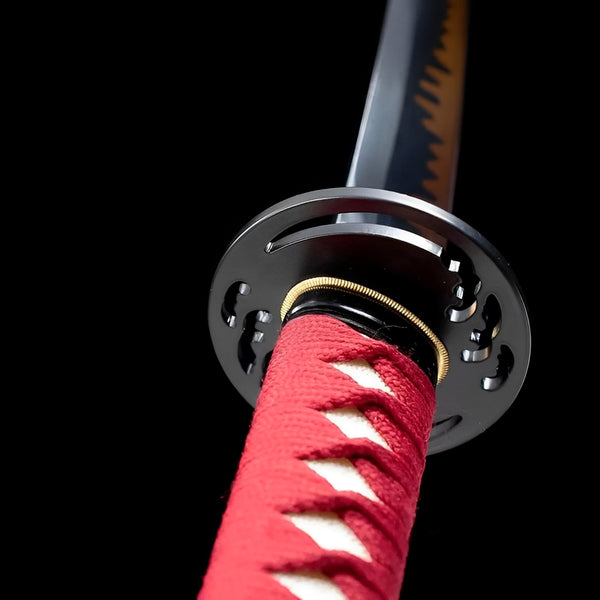
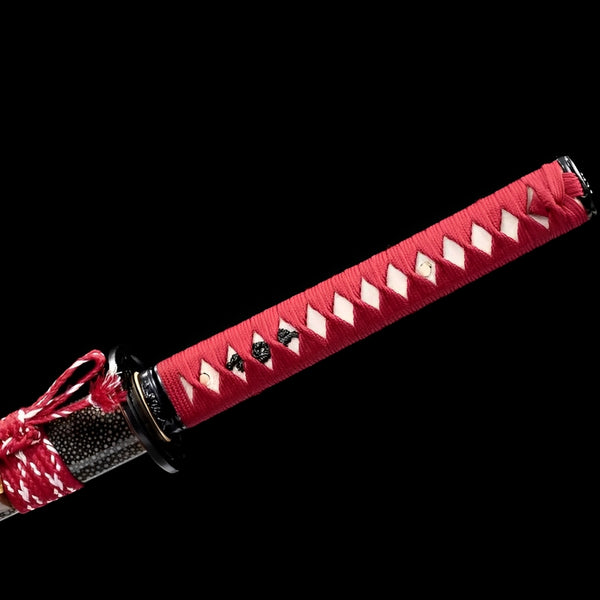
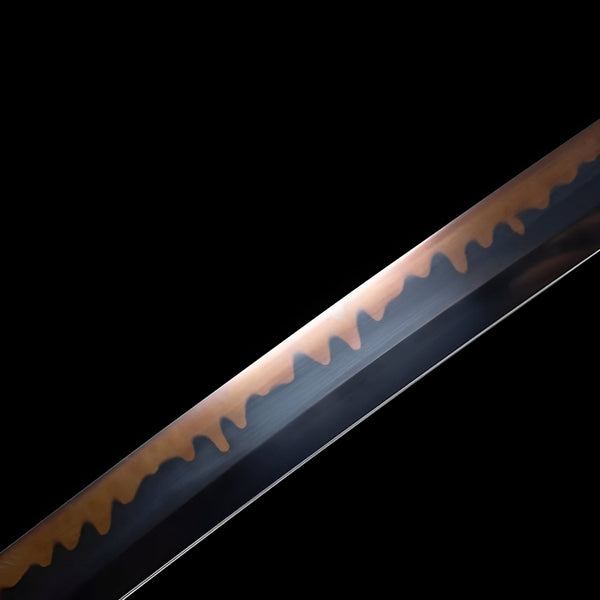
Kagekuro Katana (Samai Steel) - 影黒

Sanmai Steel
Forged Blade
Collector Quality
Trusted Globally
Inspired by Japan
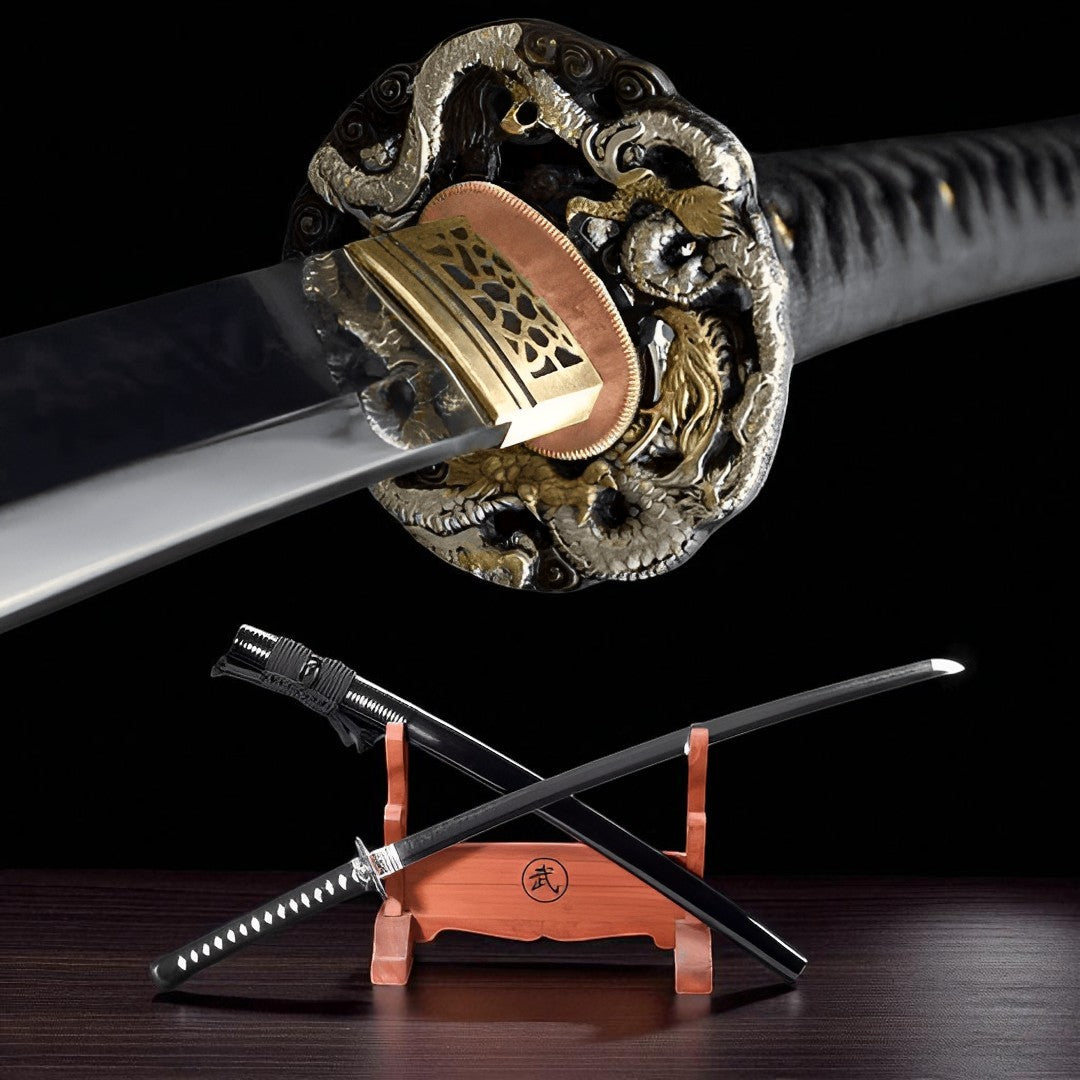
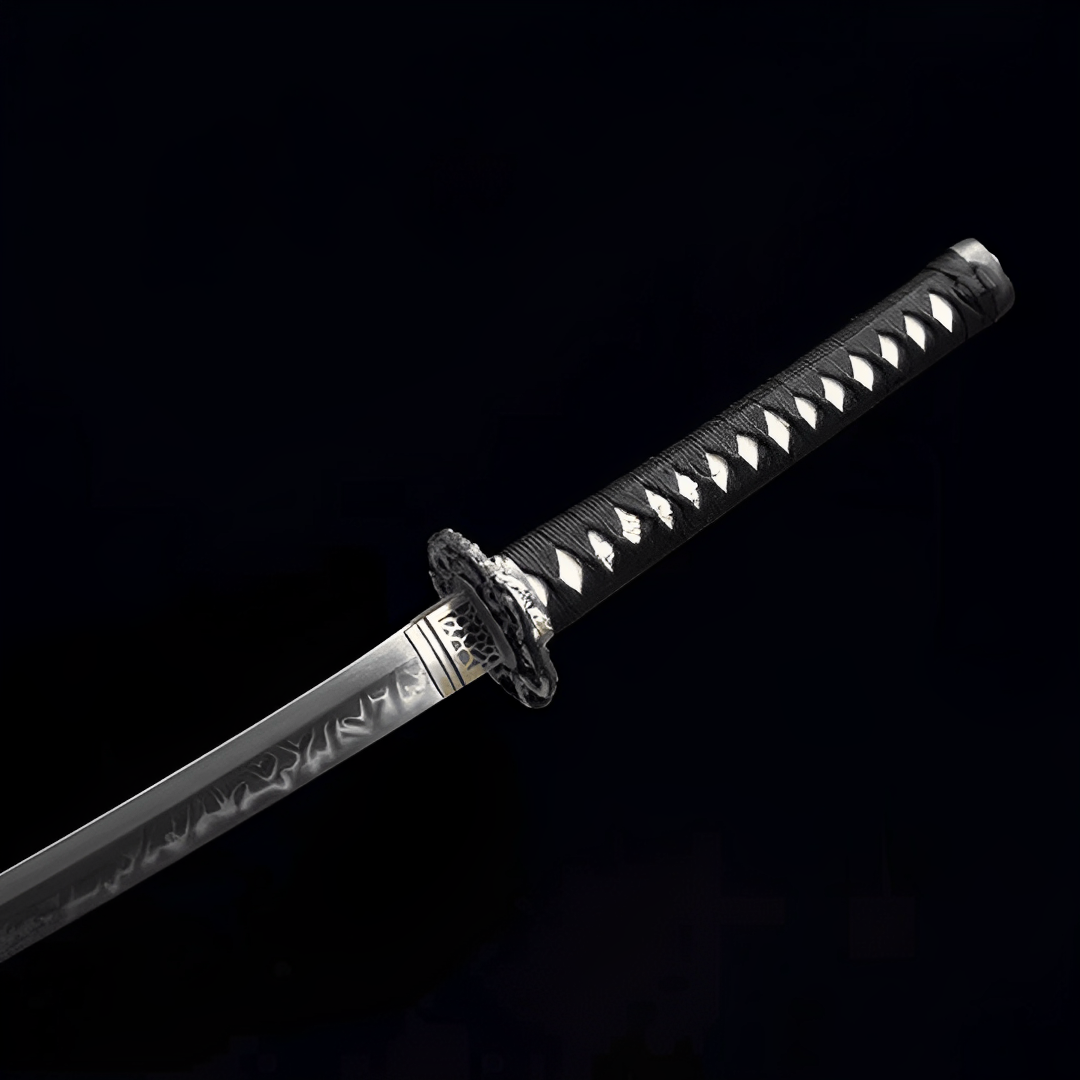
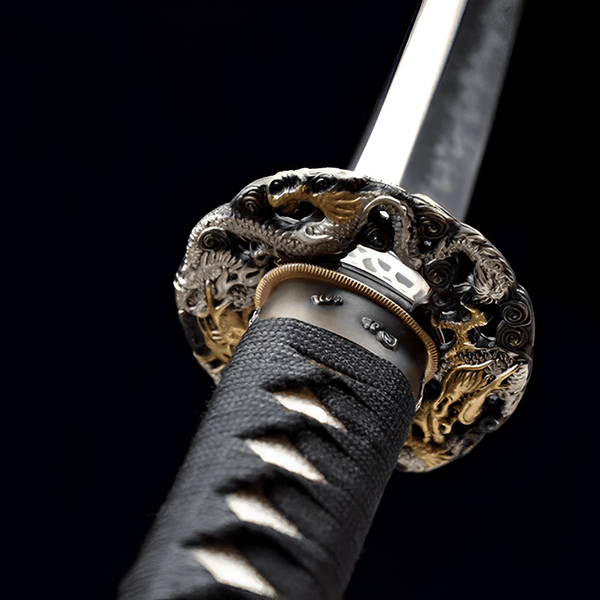
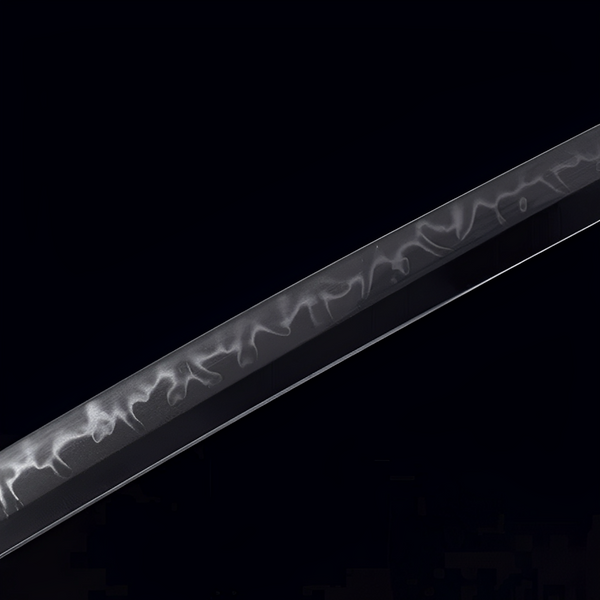
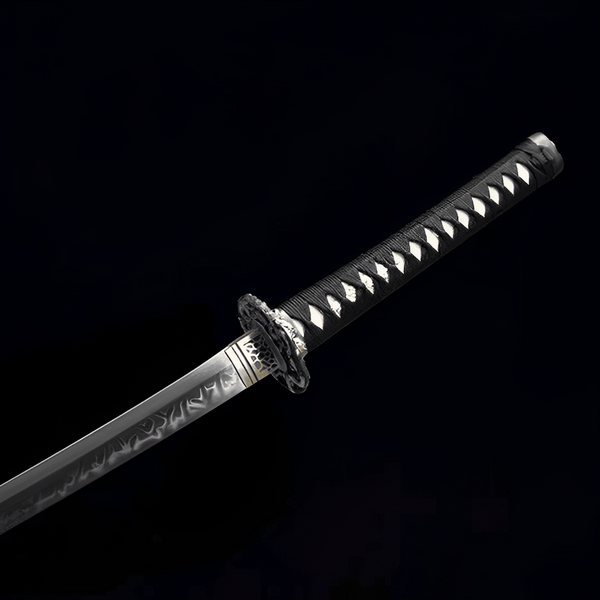
Damascus Steel
Forged Blade
Collector Quality
Trusted Globally
Inspired by Japan
T10 Steel
Forged Blade
Collector Quality
Trusted Globally
Inspired by Japan
T10 Steel
Forged Blade
Collector Quality
Trusted Globally
Inspired by Japan
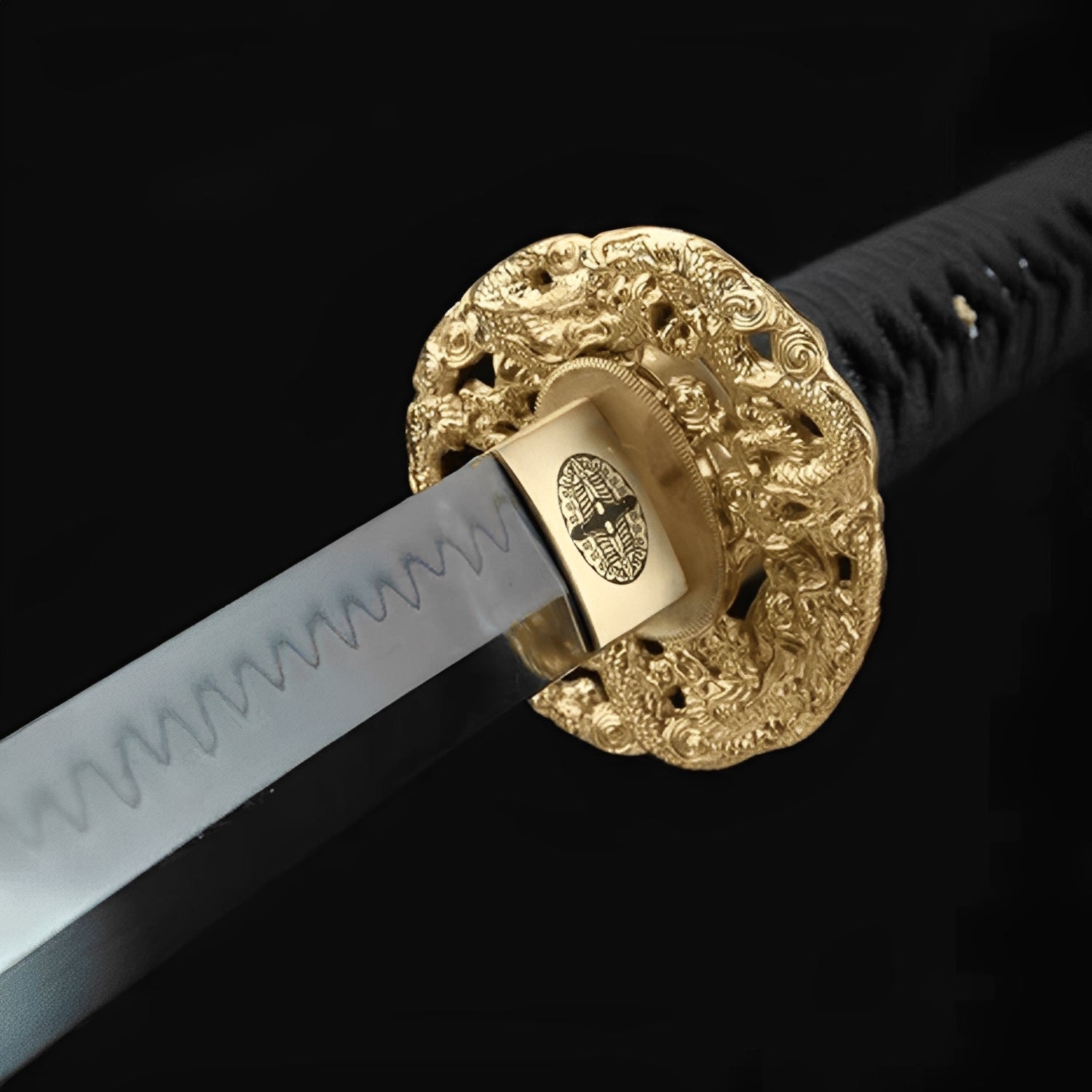
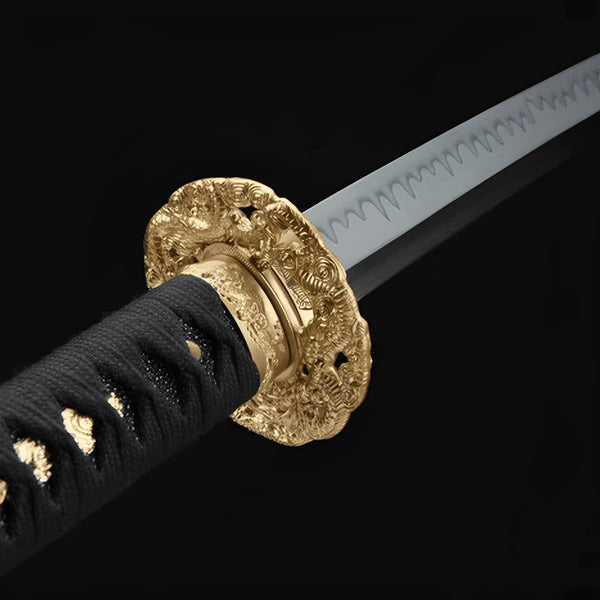
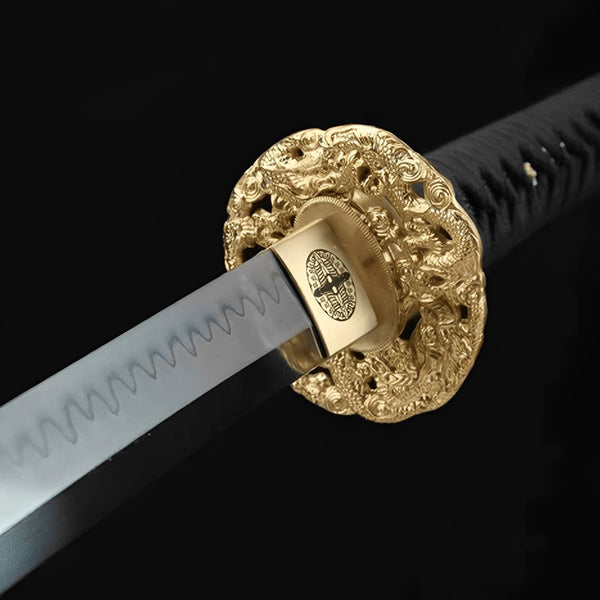
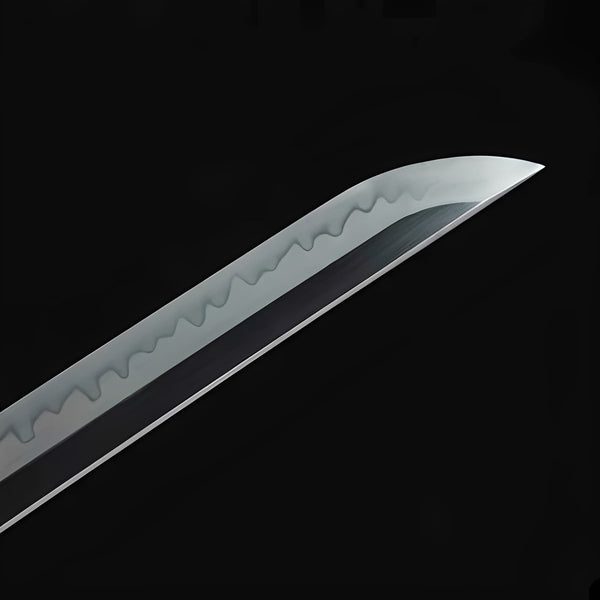
Koryo Ogon Katana - 黄金龍刀

Ships within 48/72h
Forged Blade
Collector Quality
Trusted Globally
Inspired by Japan
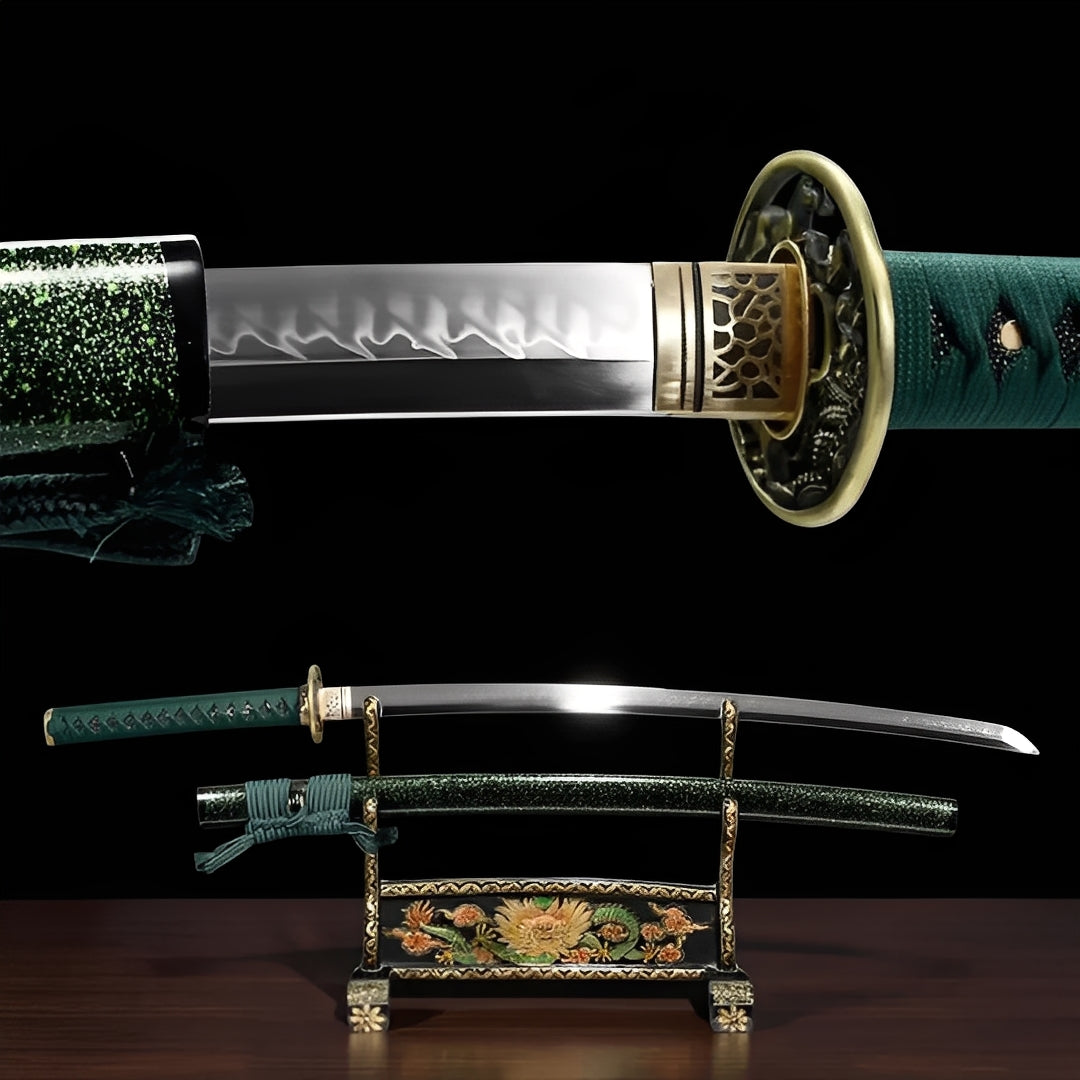
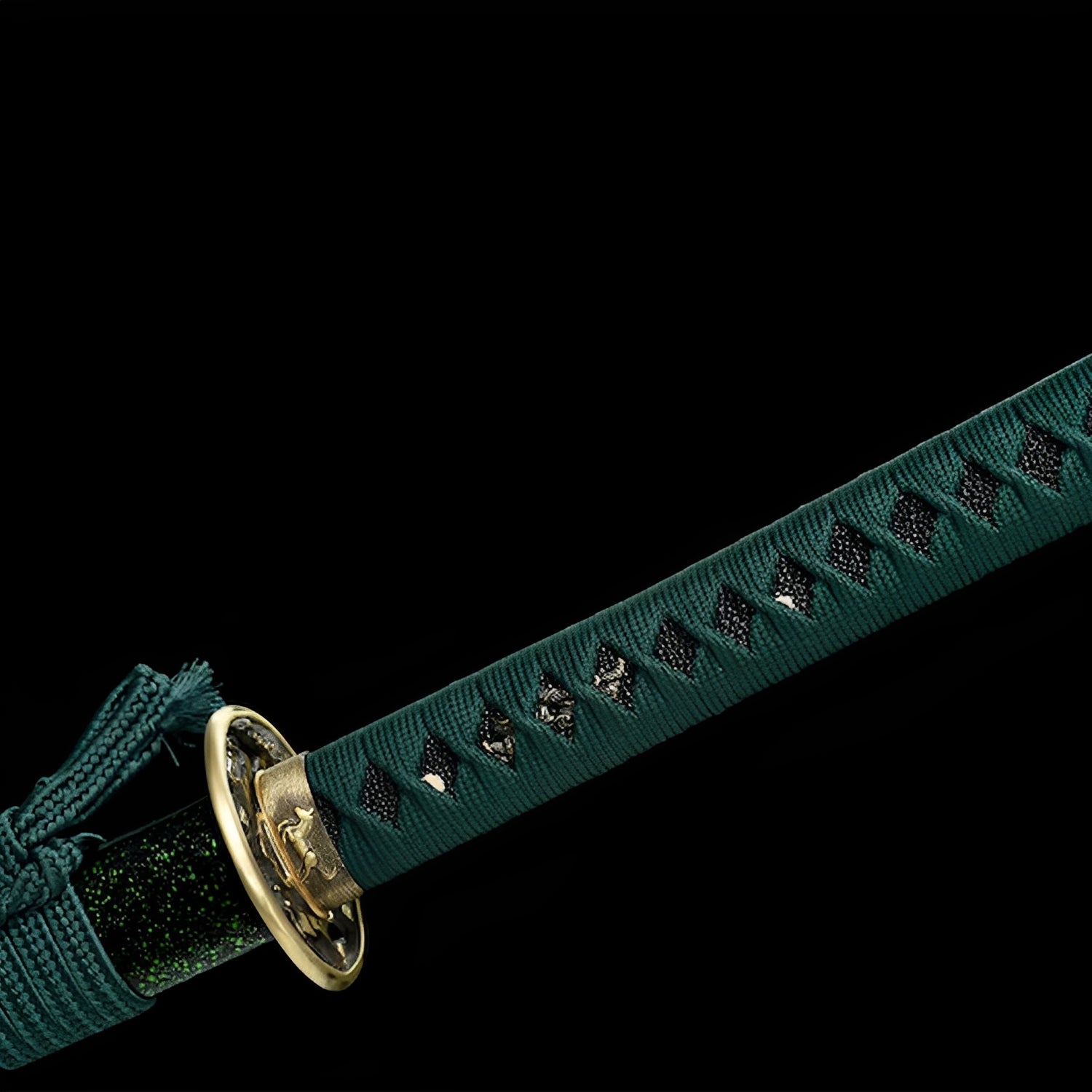
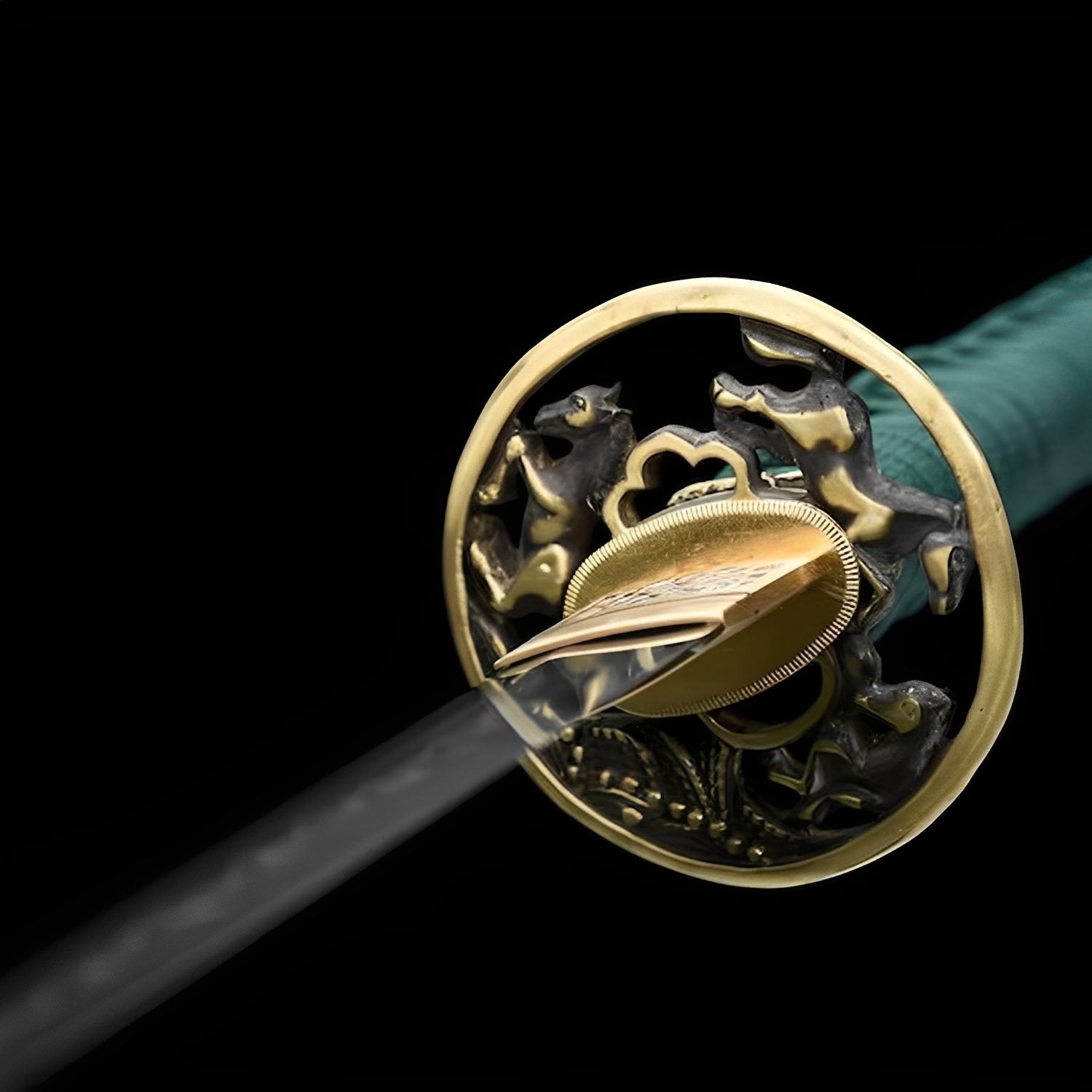
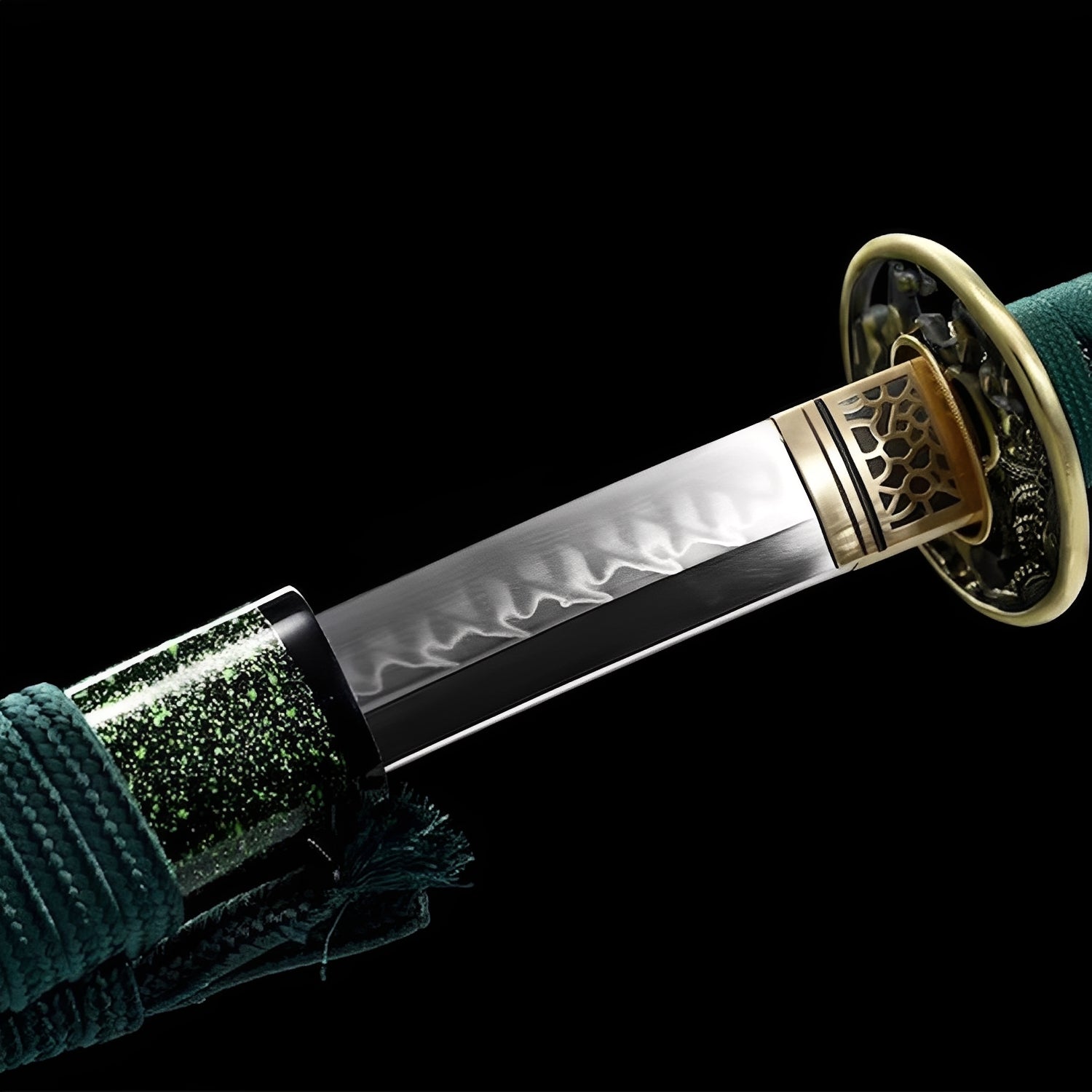
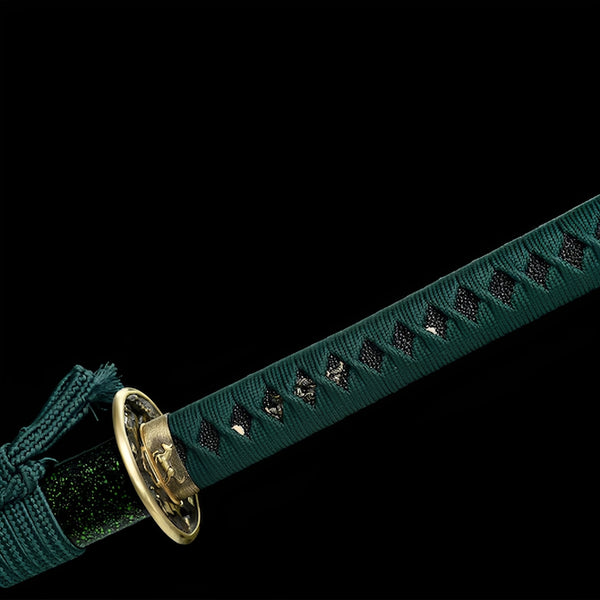
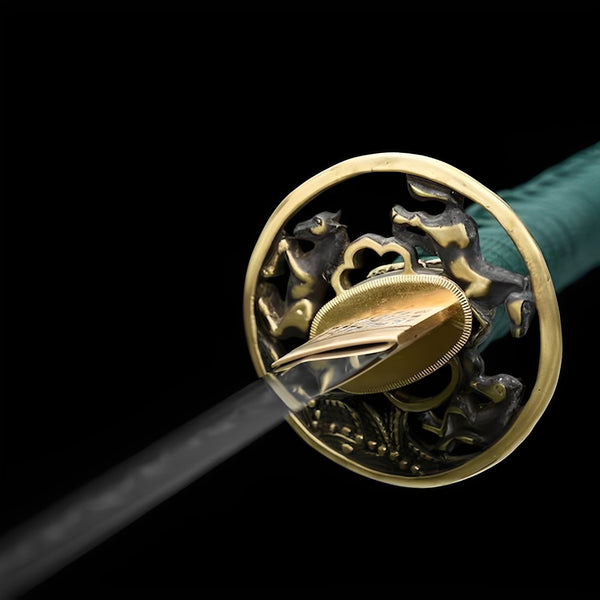
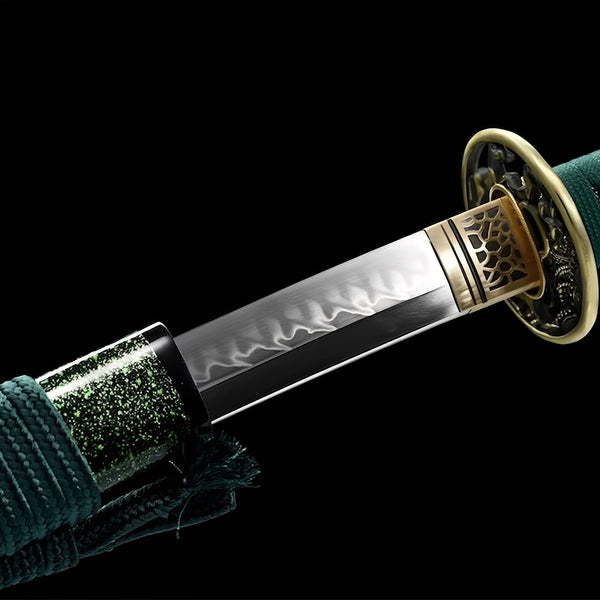
Emerald Katana – 翡翠魂刀
Ships within 48/72h
Forged Blade
Collector Quality
Trusted Globally
Inspired by Japan
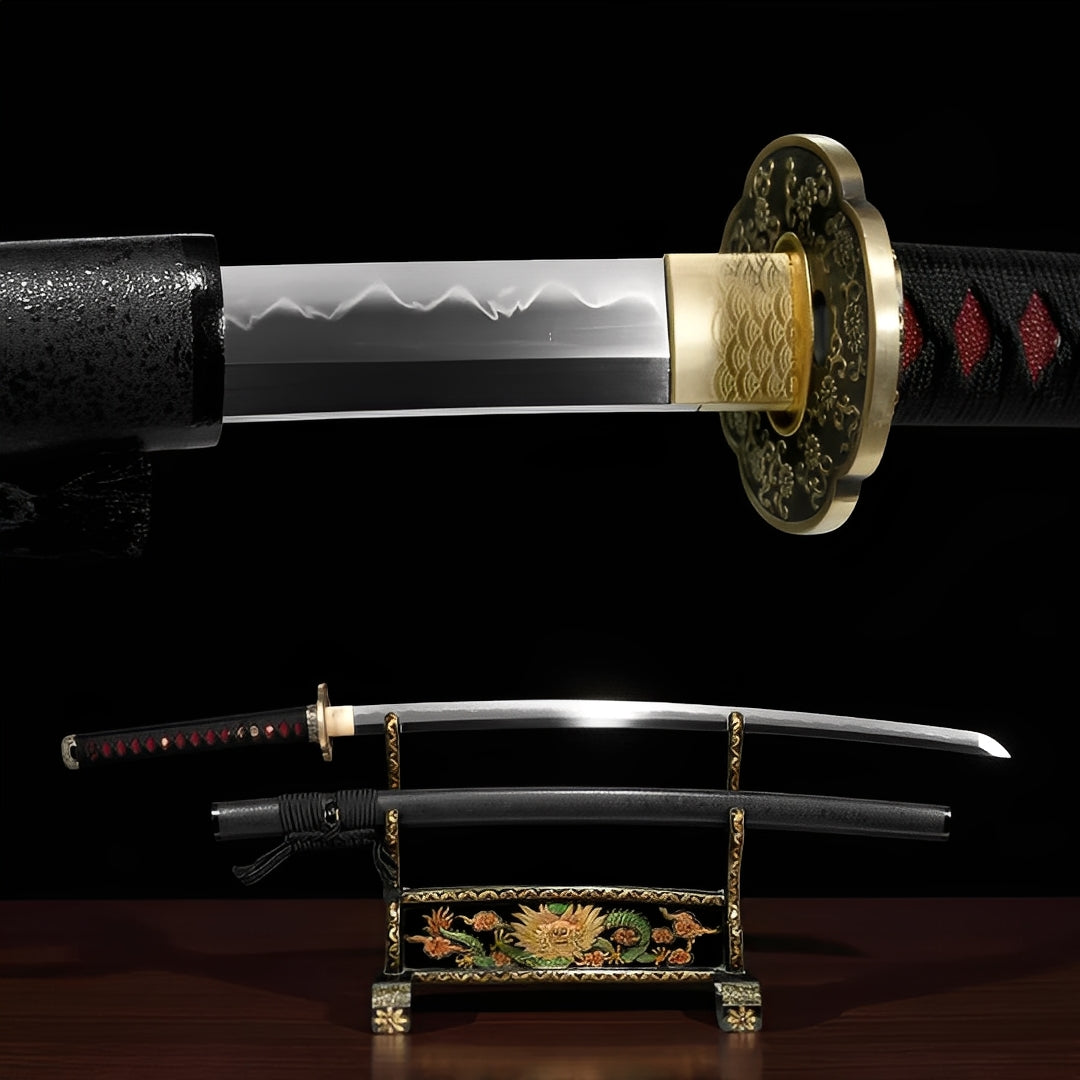
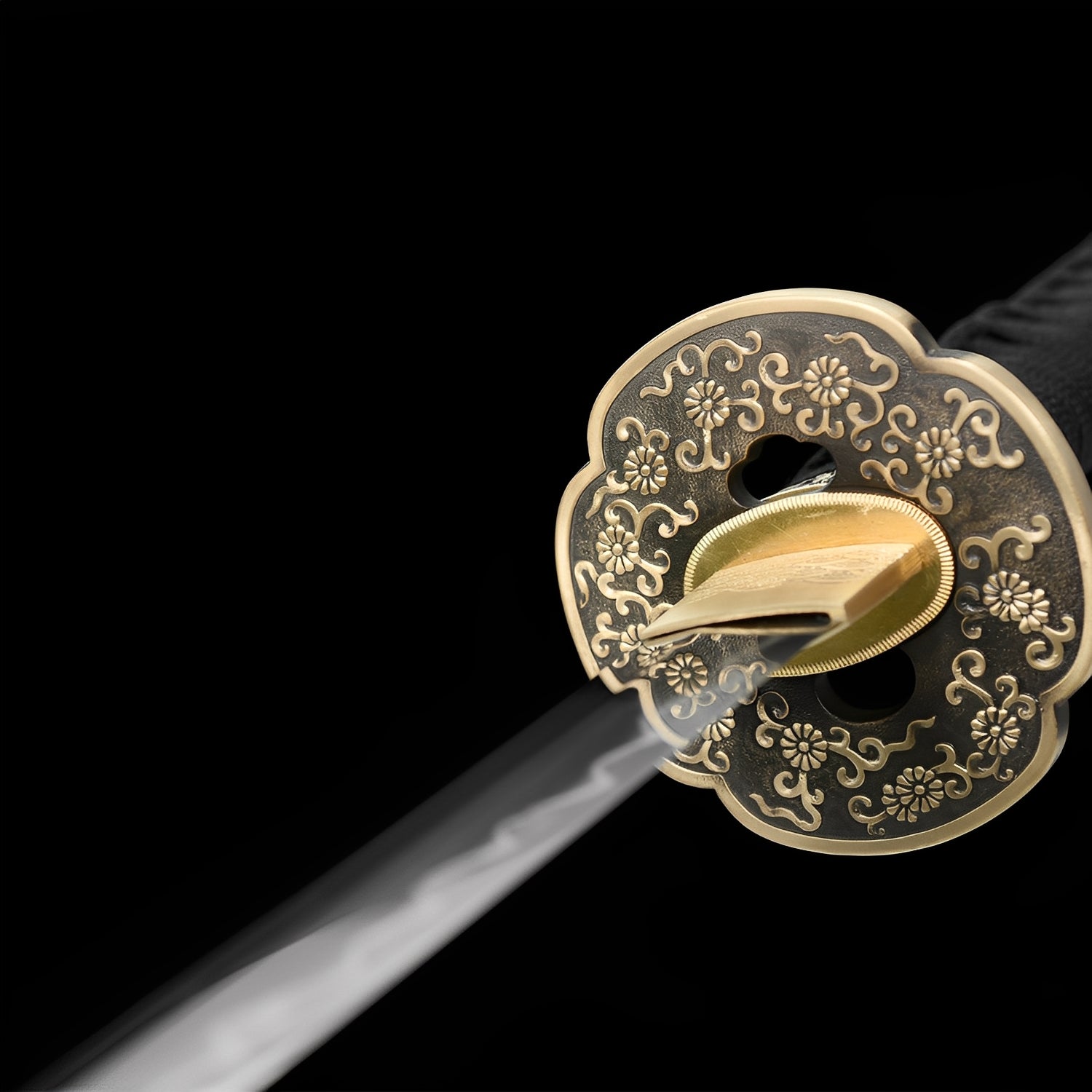
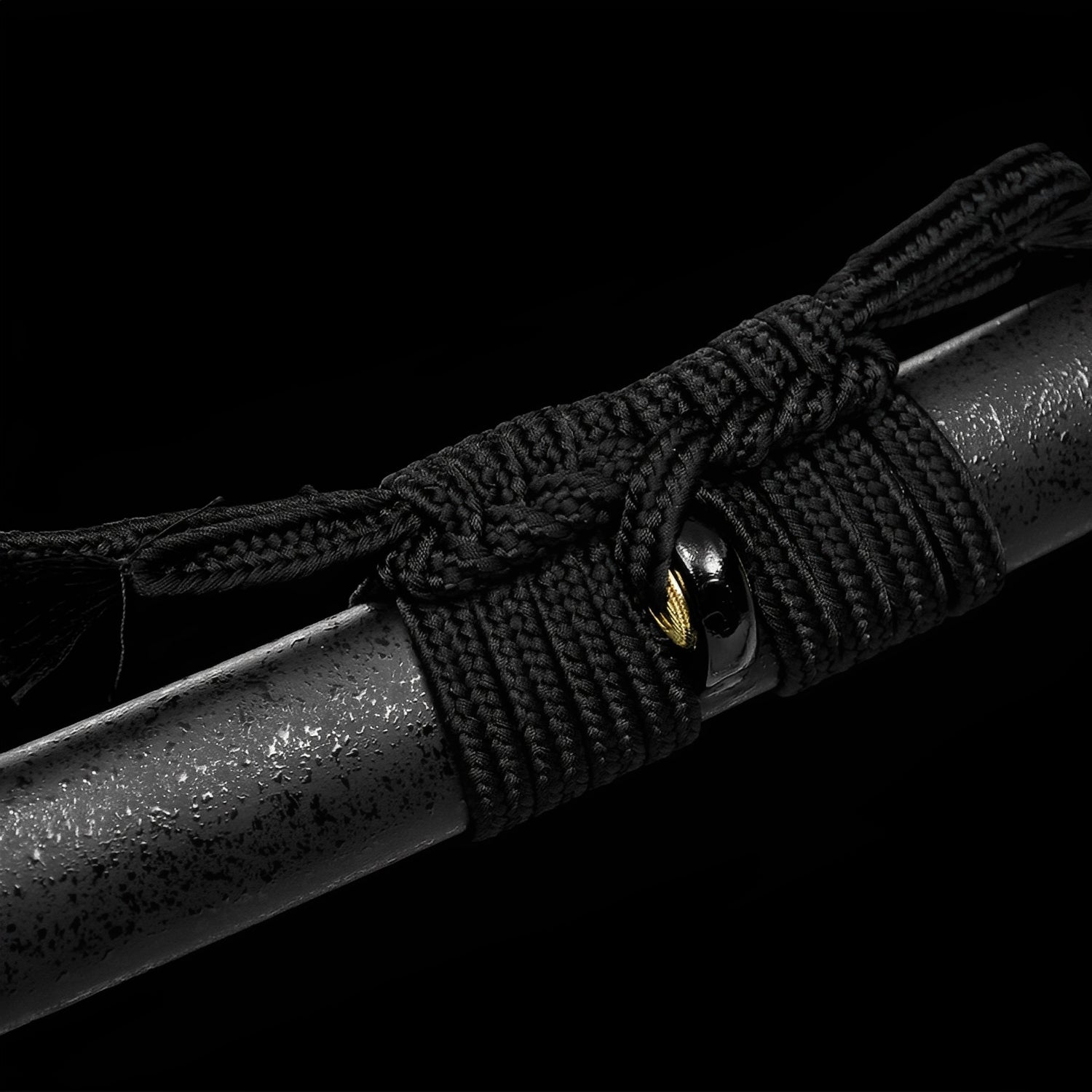
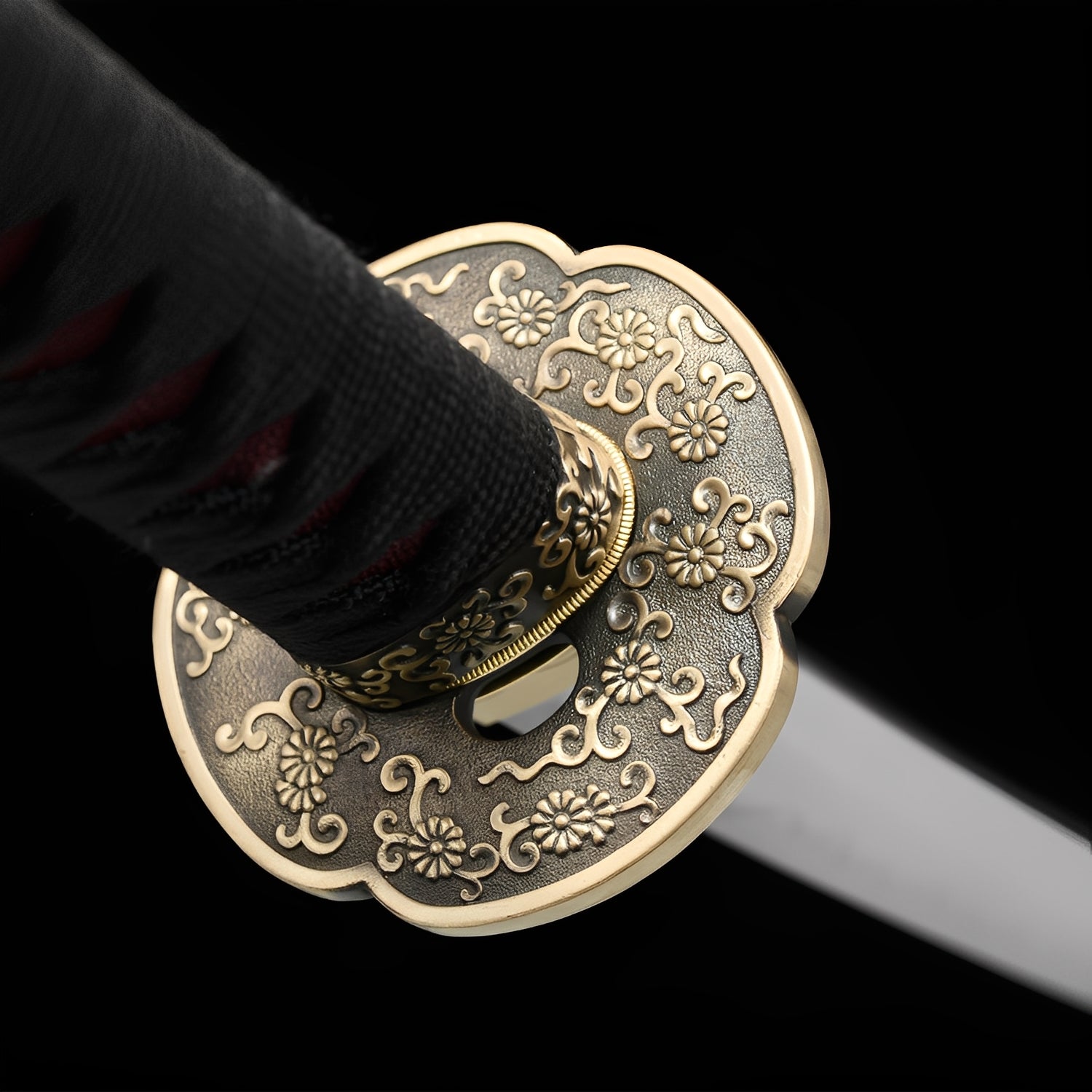
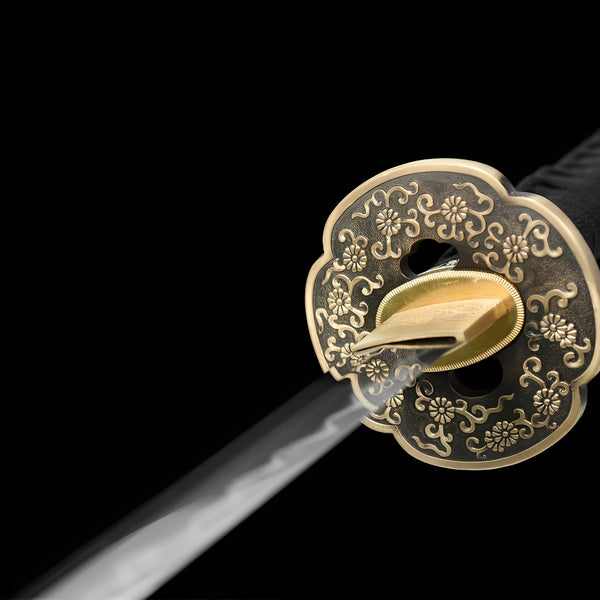
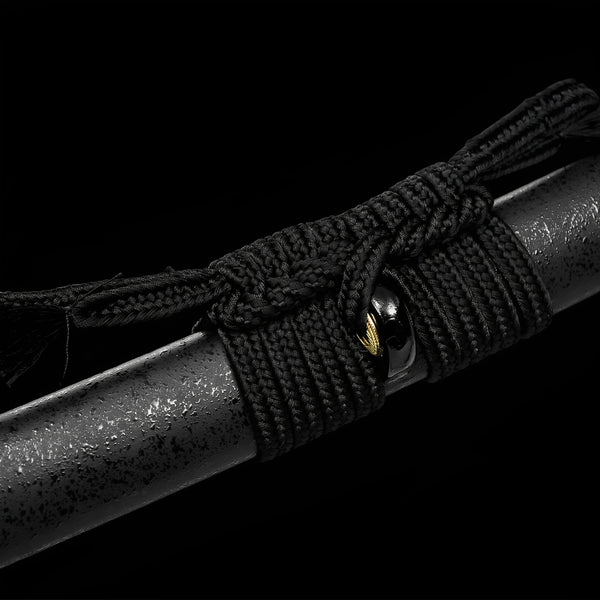
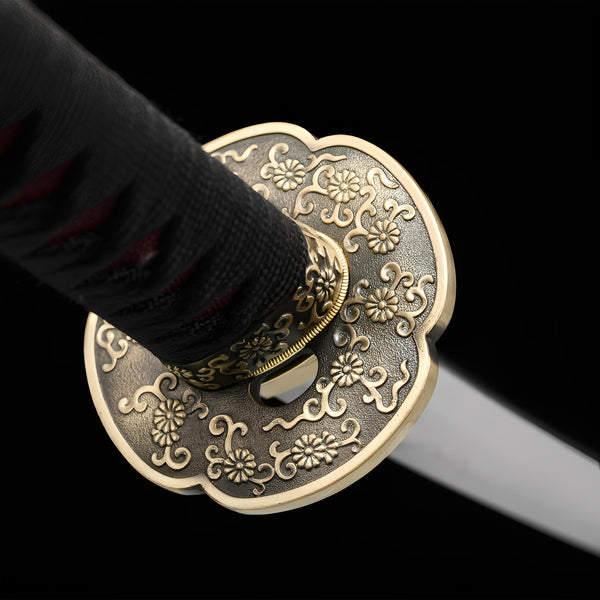
Shinku Raijin Katana - の太刀
Ships within 48/72h
Forged Blade
Collector Quality
Trusted Globally
Inspired by Japan
Collection Description – About this Collection
What defines a high end katana?
A high end katana is not simply an expensive sword. It is the result of a longer forging process, superior materials, and a level of hand-finishing that cannot be achieved at lower price points. Every blade in this collection starts at $600 and represents the highest tier of craftsmanship we offer — from Damascus steel with visible folded grain to T10 tool steel with genuine clay-tempered hamon lines.
Where an entry-level katana uses a single-steel Maru construction and basic fittings, a premium katana involves composite forging methods, hours of hand-polishing to reveal the steel's natural pattern, and individually crafted components — from sculpted iron tsuba to hand-wrapped genuine ray skin handles. The difference is visible the moment you draw the blade from its scabbard.
Damascus steel and T10 — the steels behind premium blades
The majority of swords in this collection are forged from Damascus steel or T10 tool steel, two of the most respected materials in modern katana making.
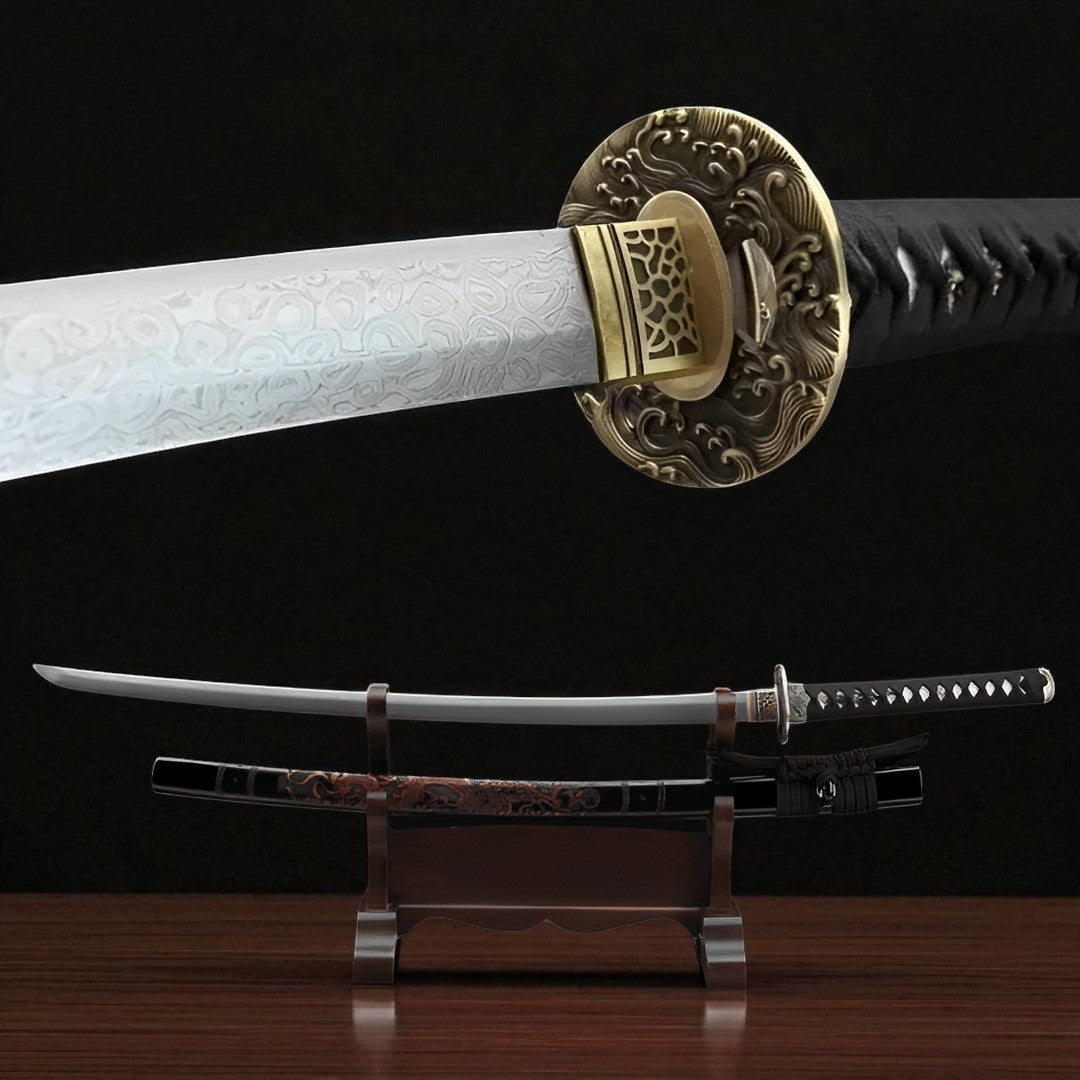
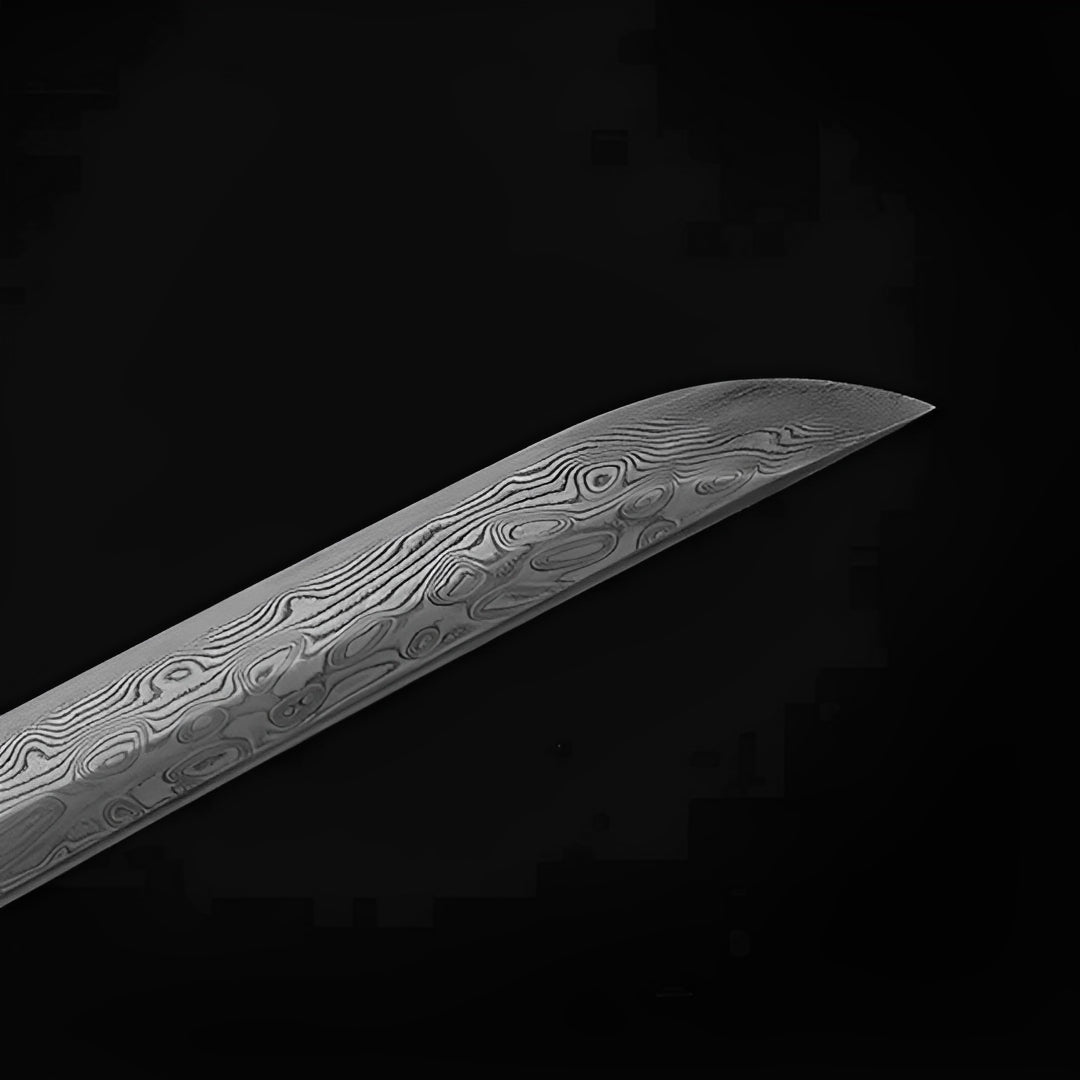
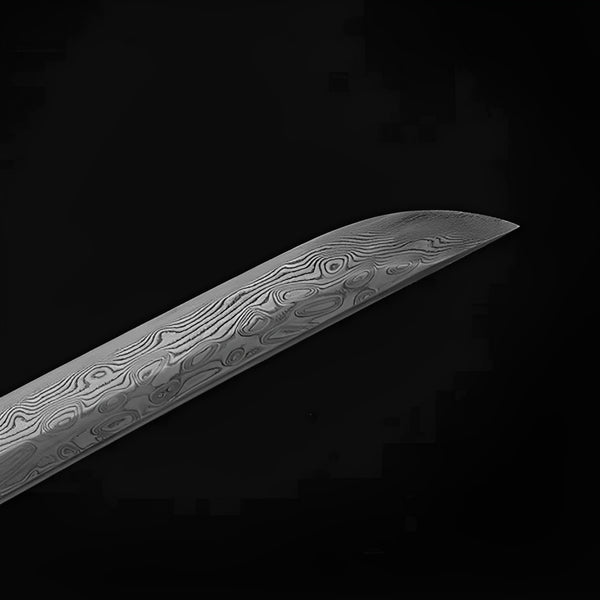
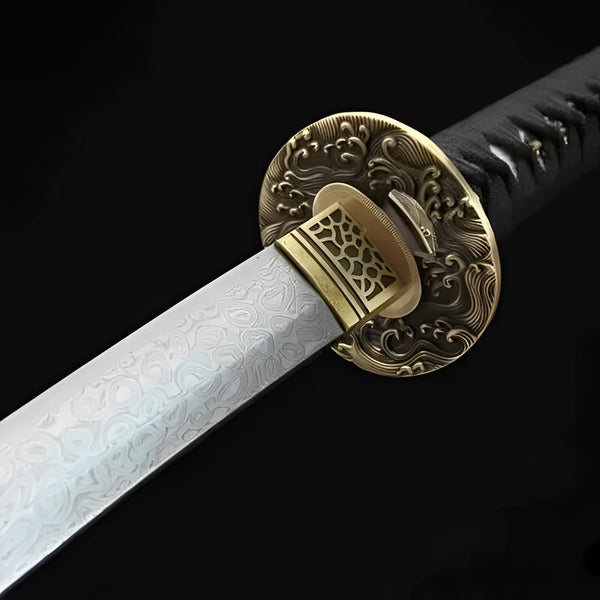
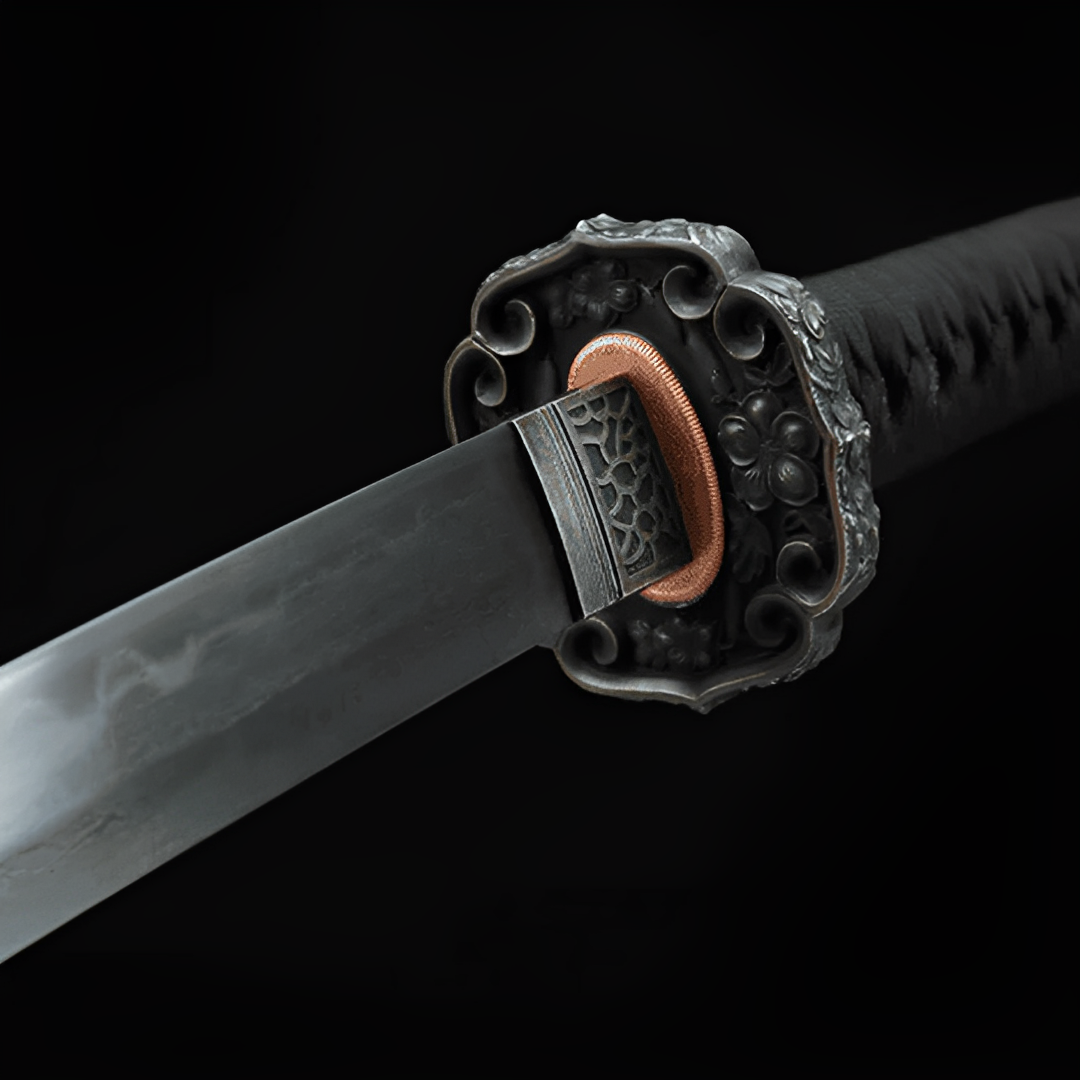
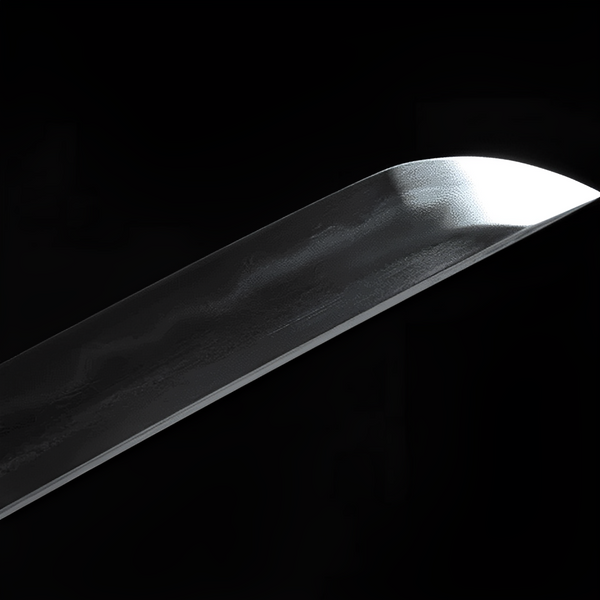
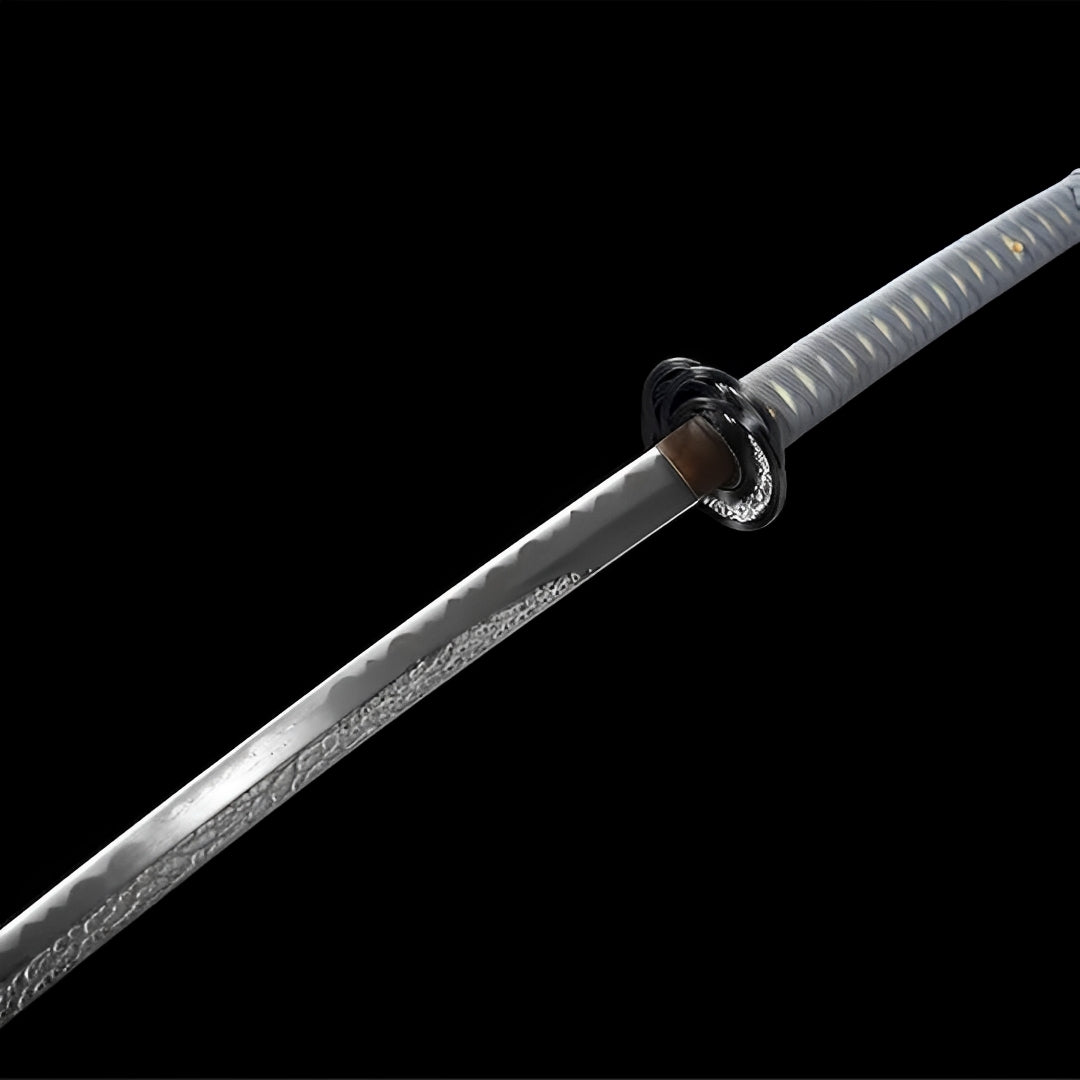
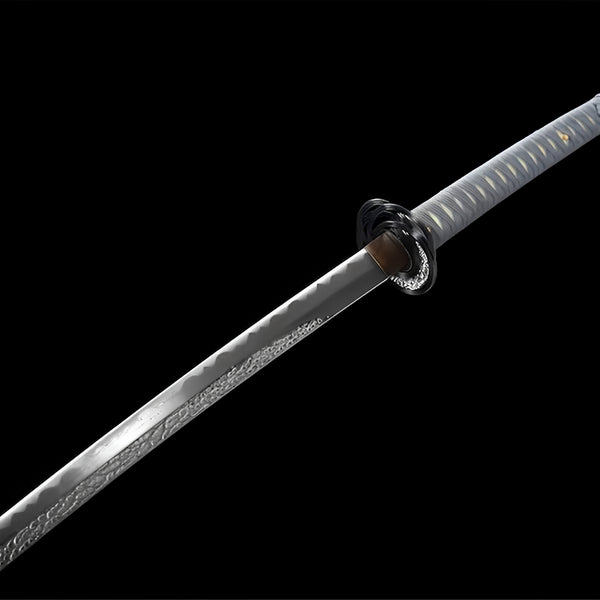
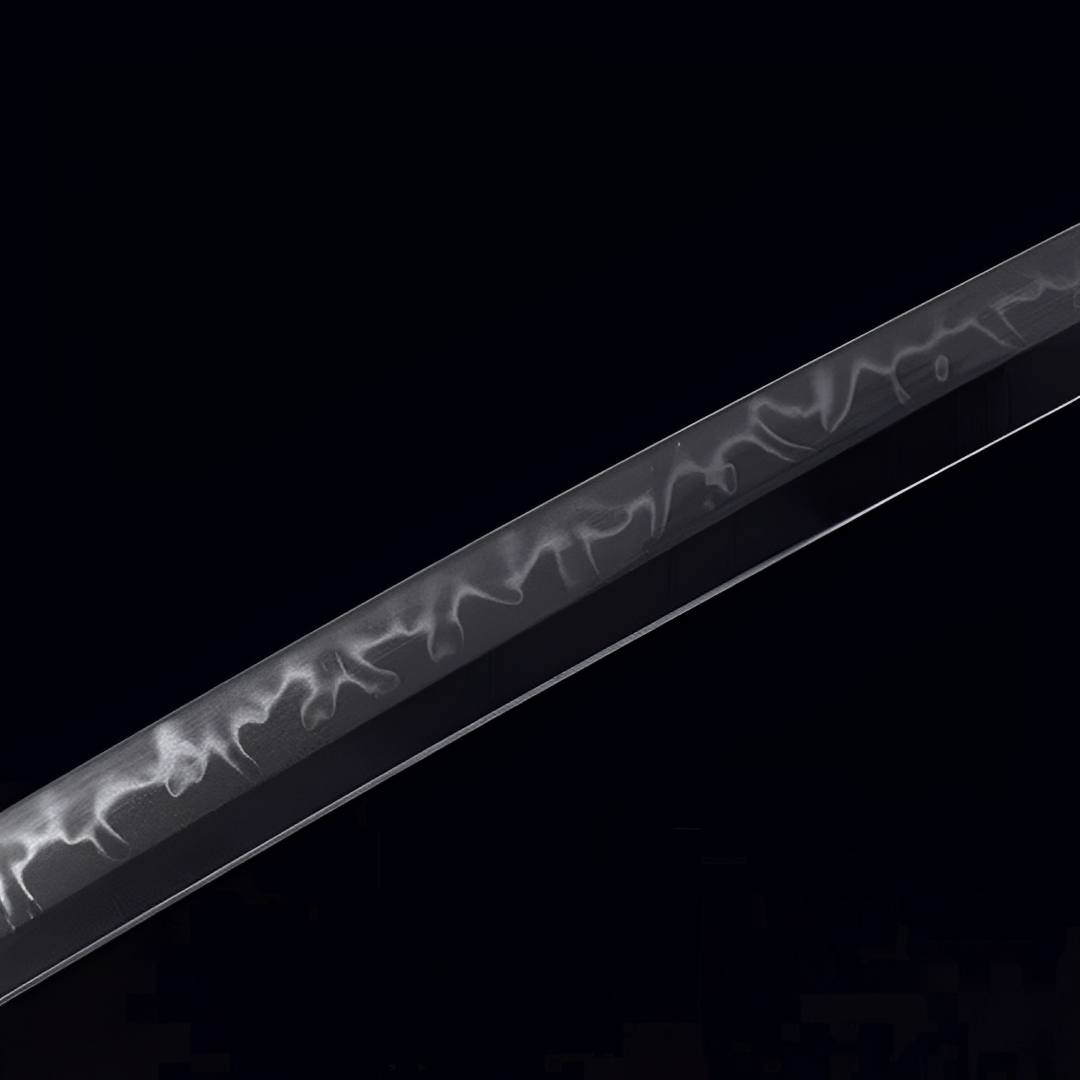
Damascus steel is created by folding and welding multiple layers of steel together — sometimes hundreds of layers — producing the distinctive wavy grain pattern visible across the blade's surface. No two Damascus blades are identical. The folding process eliminates impurities, distributes carbon evenly, and creates a blade that is both tough and resilient. Our Damascus katanas use a high-carbon core for edge retention, wrapped in softer outer layers for shock absorption.
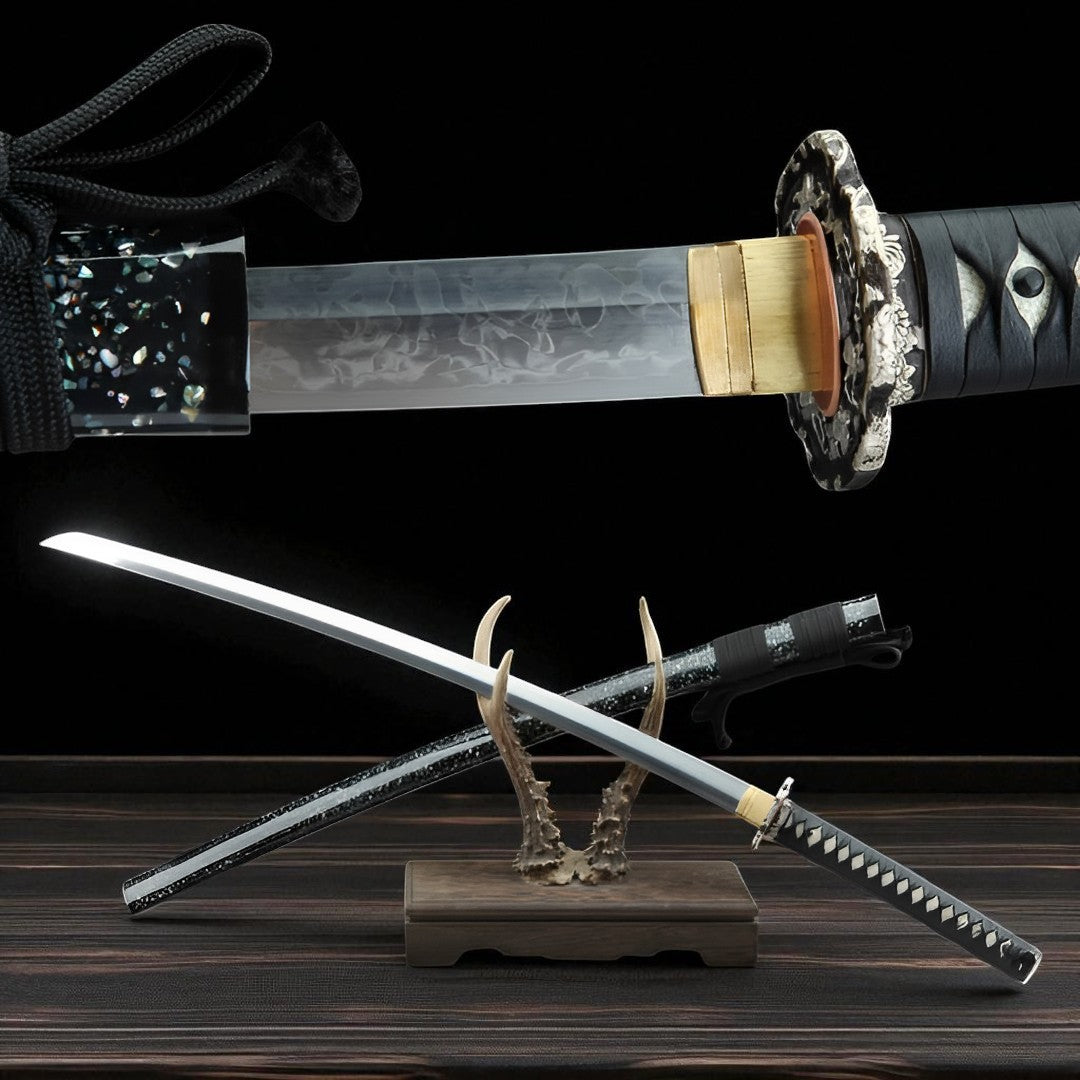
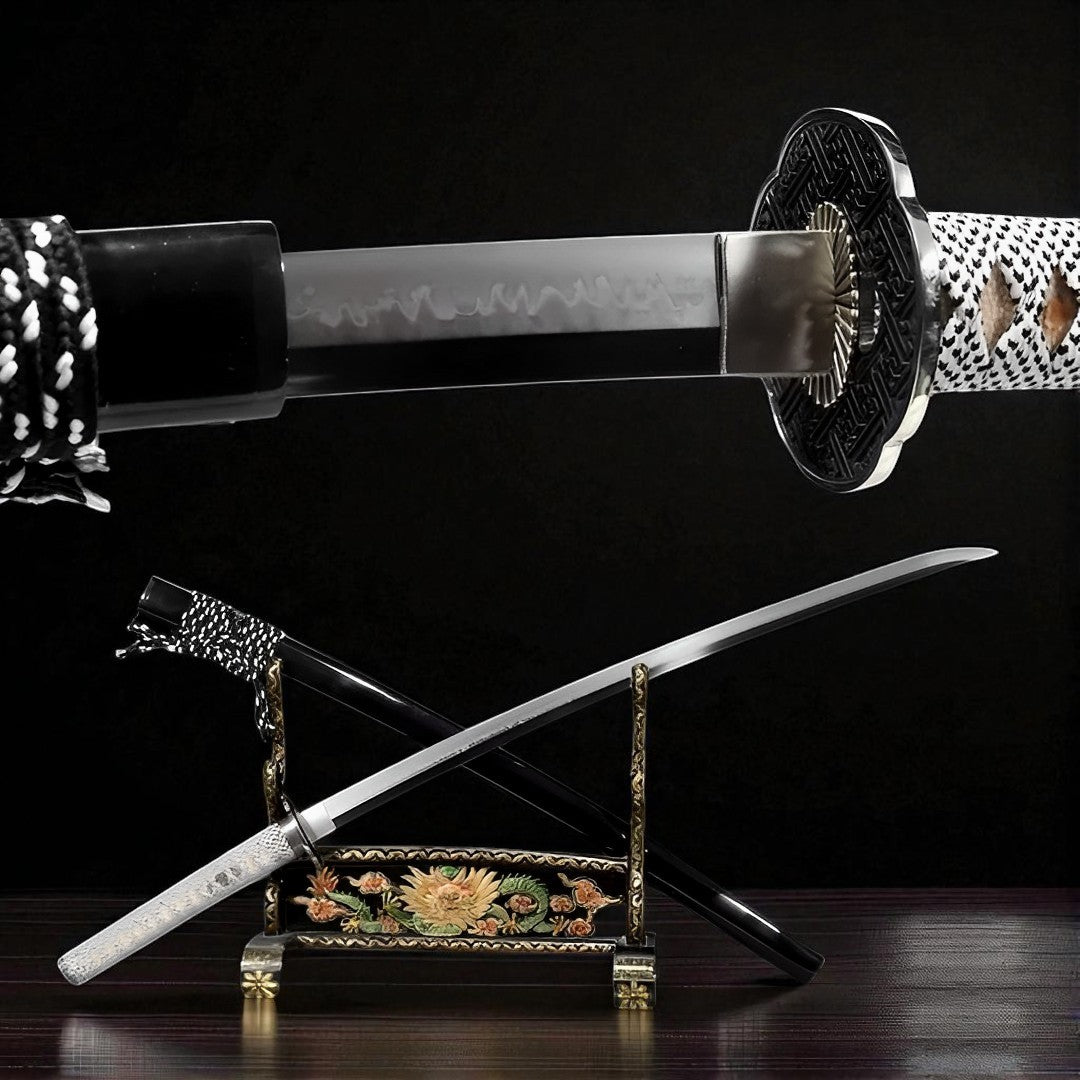
T10 tool steel contains tungsten, which allows it to reach hardness levels of 60–62 HRC on the Rockwell scale after heat treatment — harder than standard 1060 or 1095 carbon steel. T10 holds a sharper edge longer and responds exceptionally well to differential hardening, producing bold and well-defined hamon lines. For collectors and martial artists who want a functional blade with serious cutting performance, T10 is the reference.
Not sure which steel suits your needs? Our steel selection guide compares every option side by side — carbon content, hardness, maintenance, and best use cases.
Genuine hamon — the mark of authentic craftsmanship
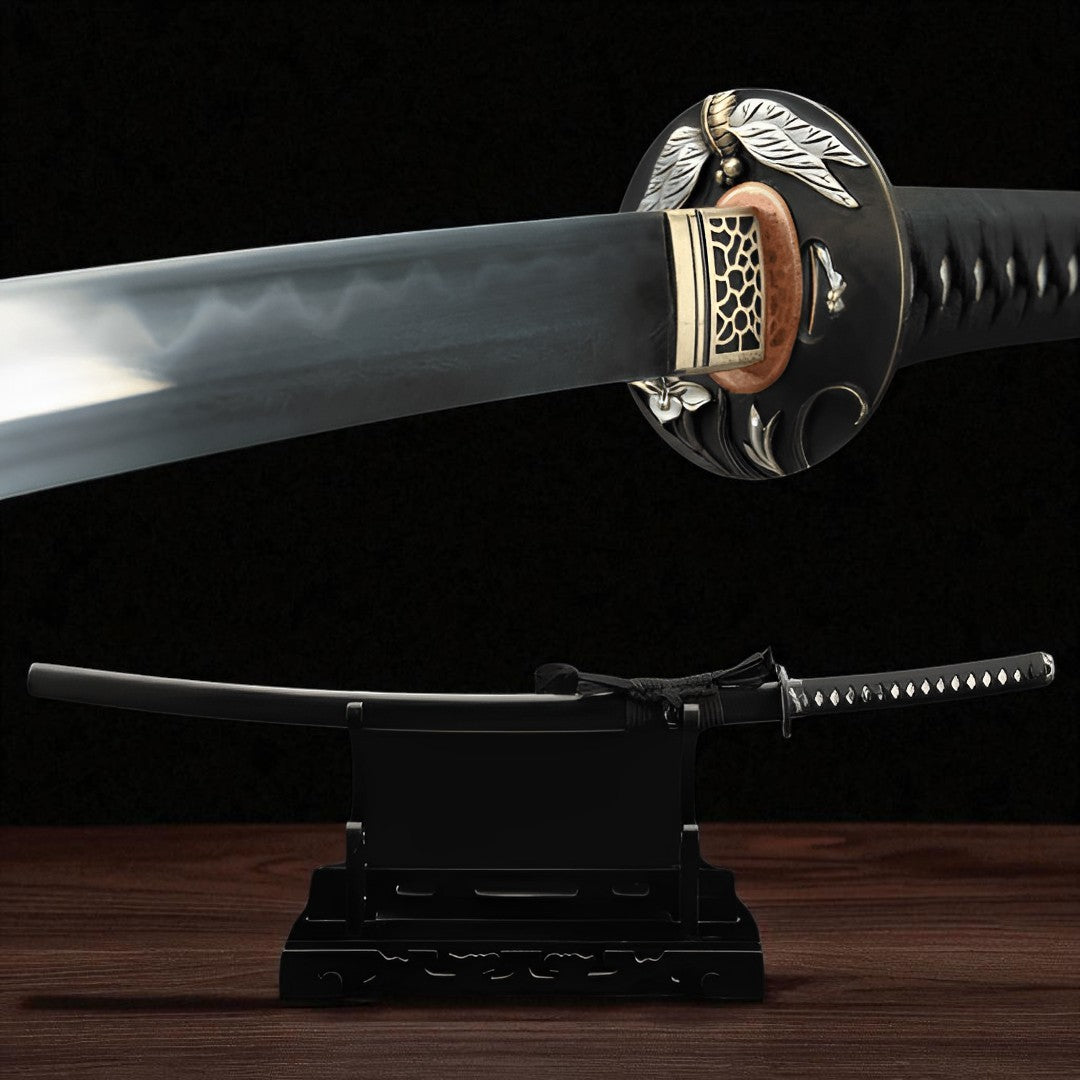
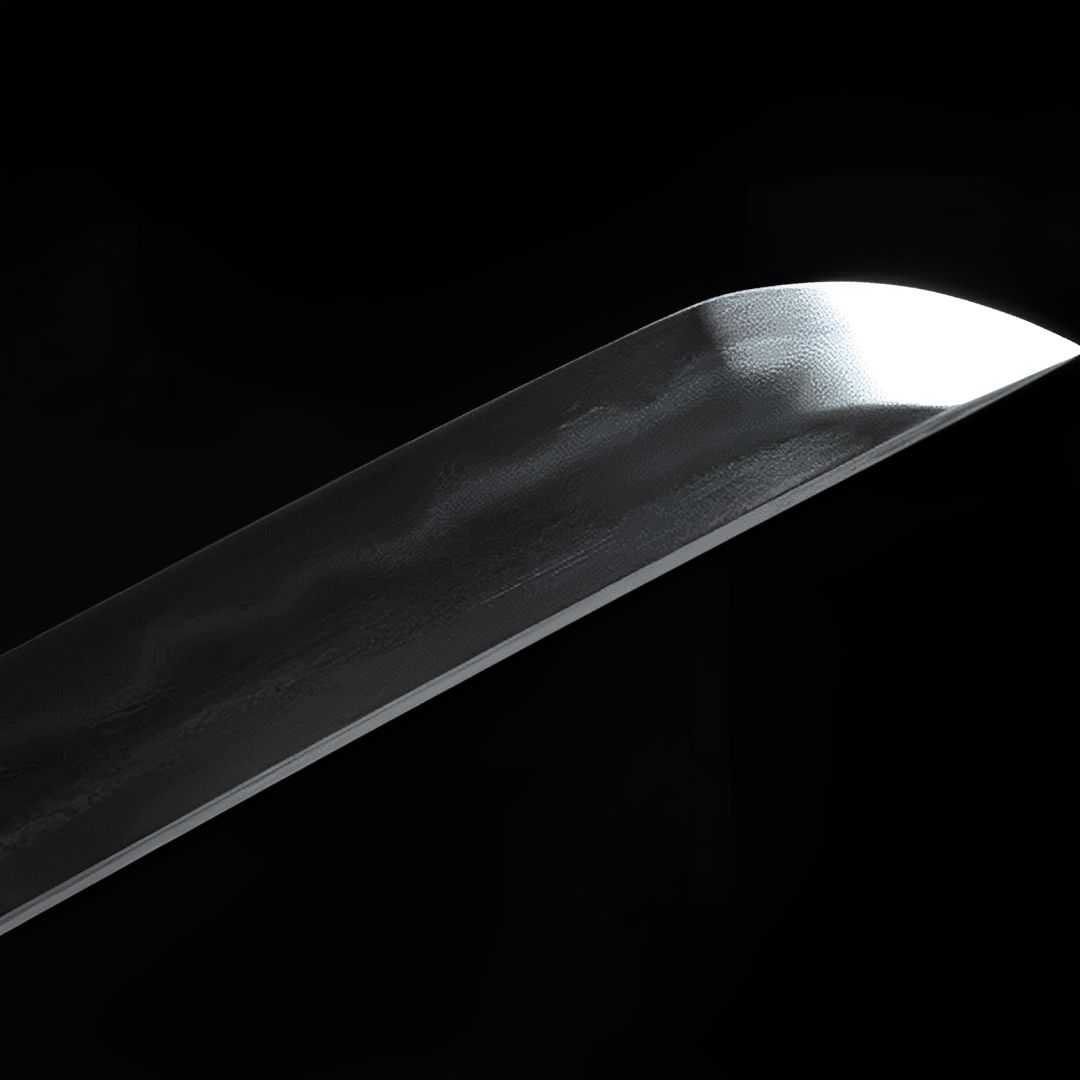
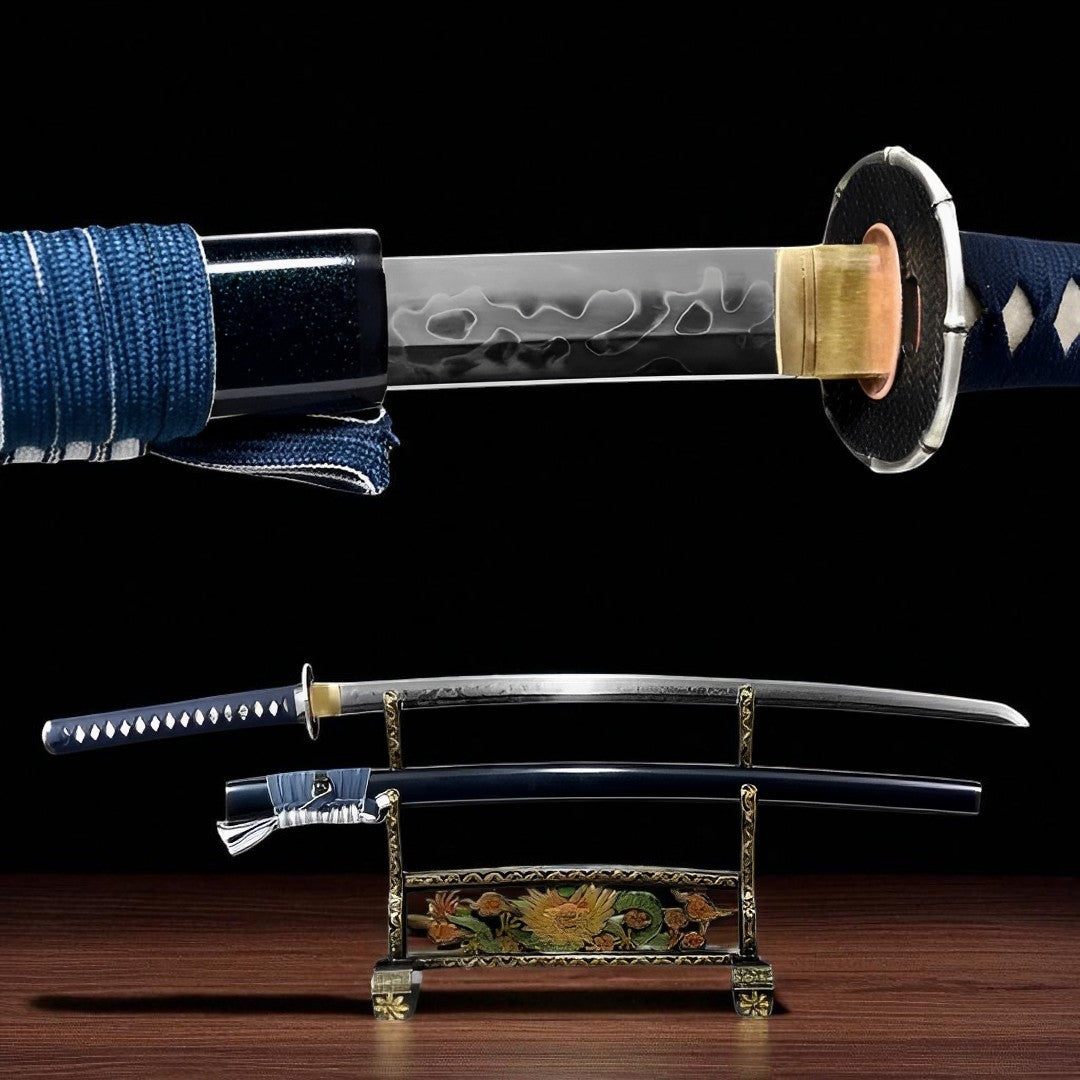
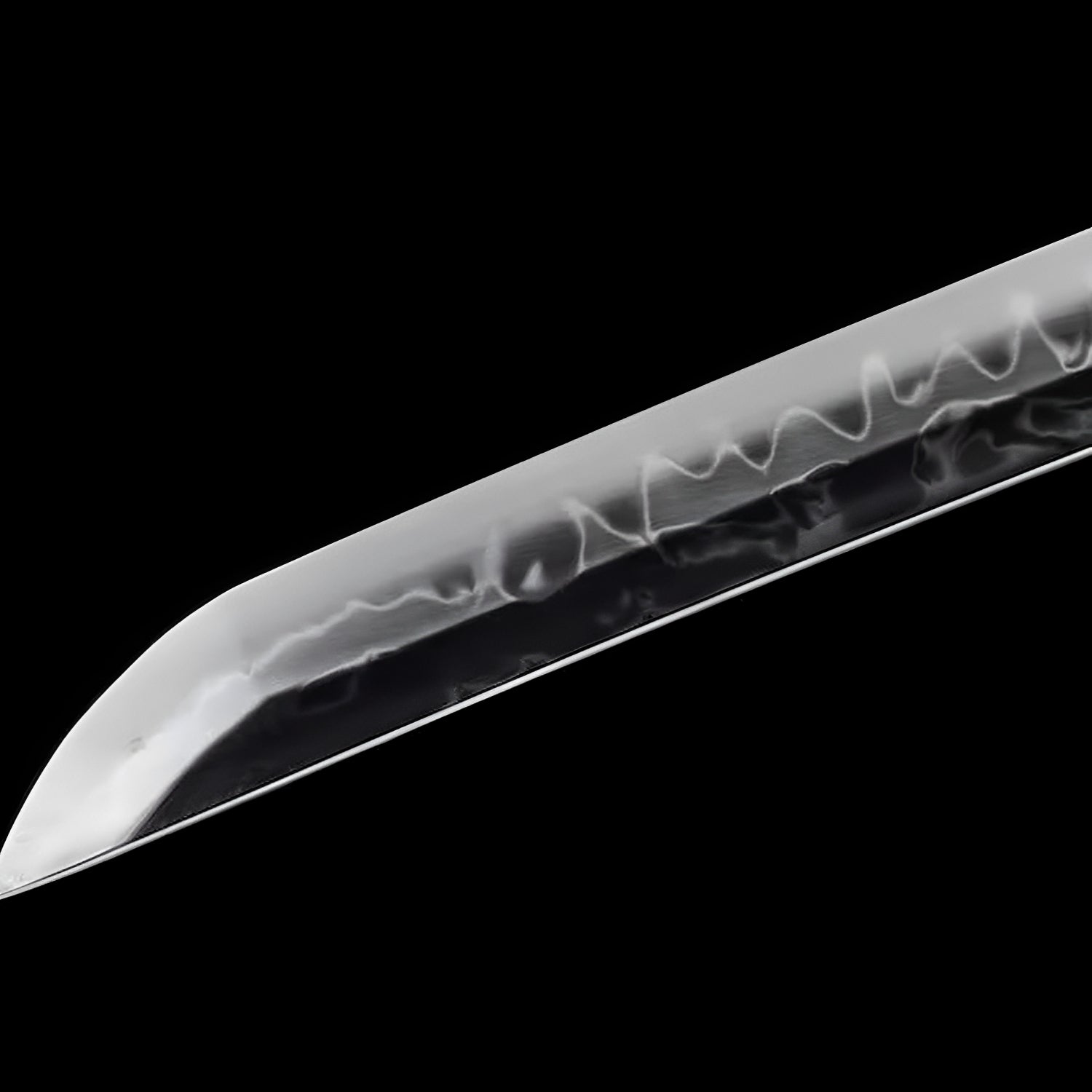
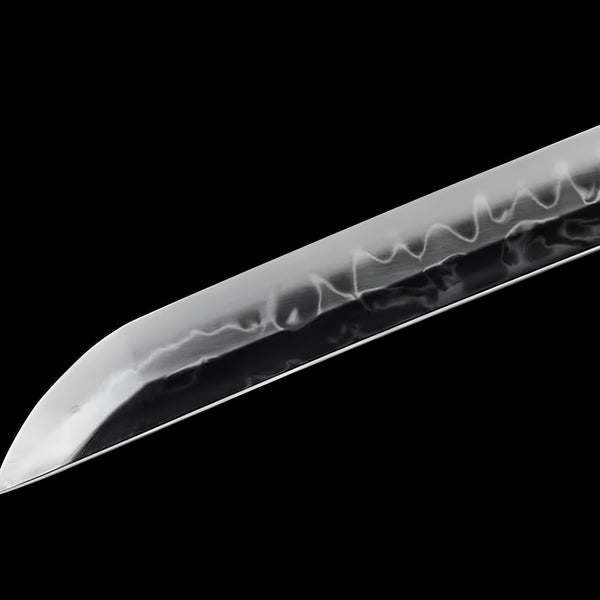
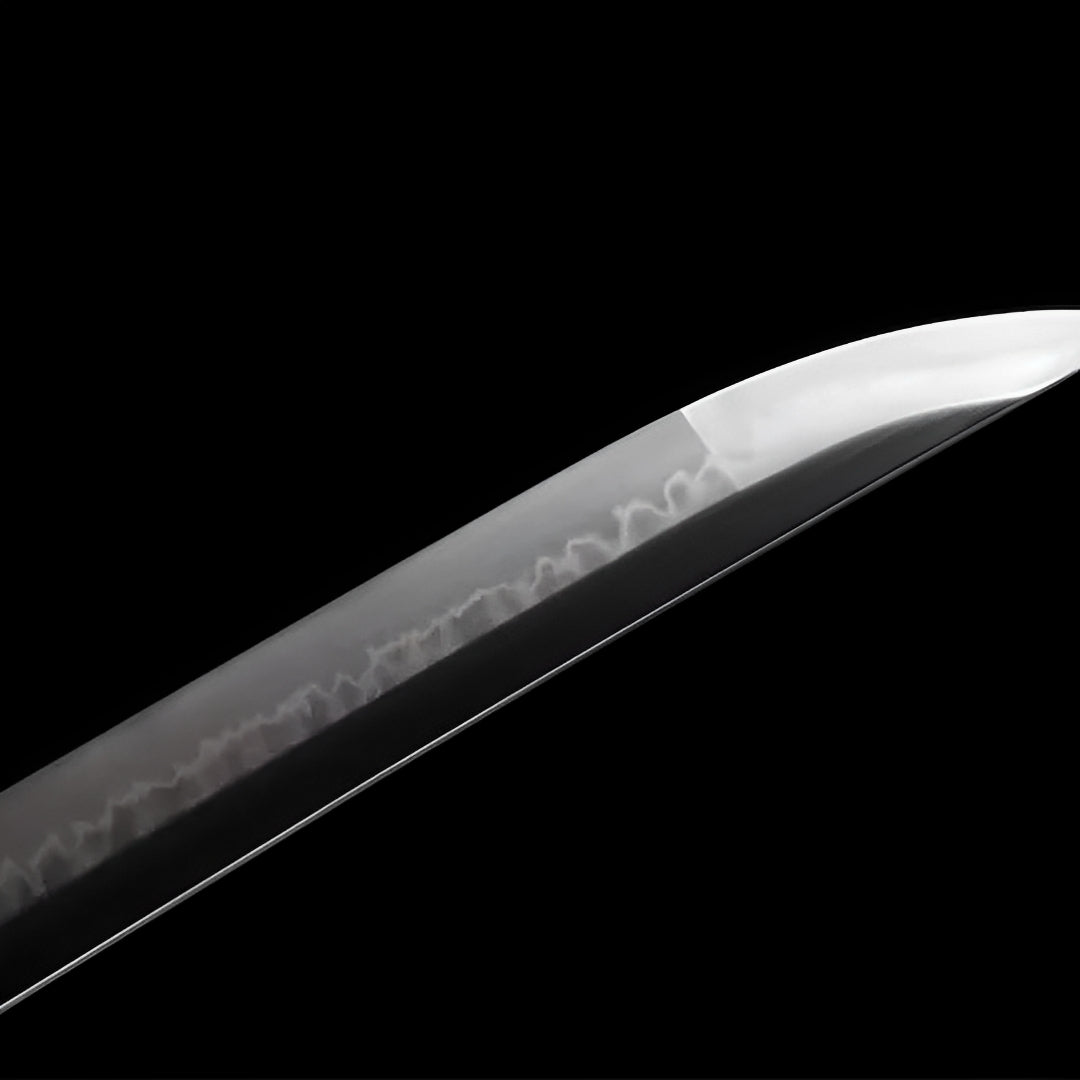
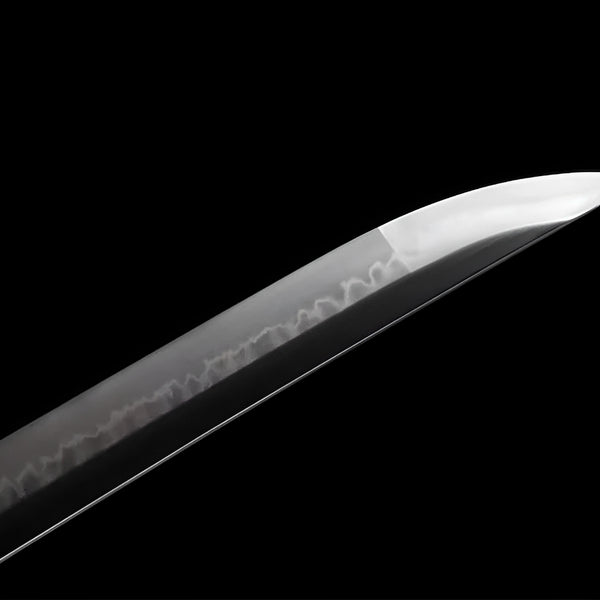
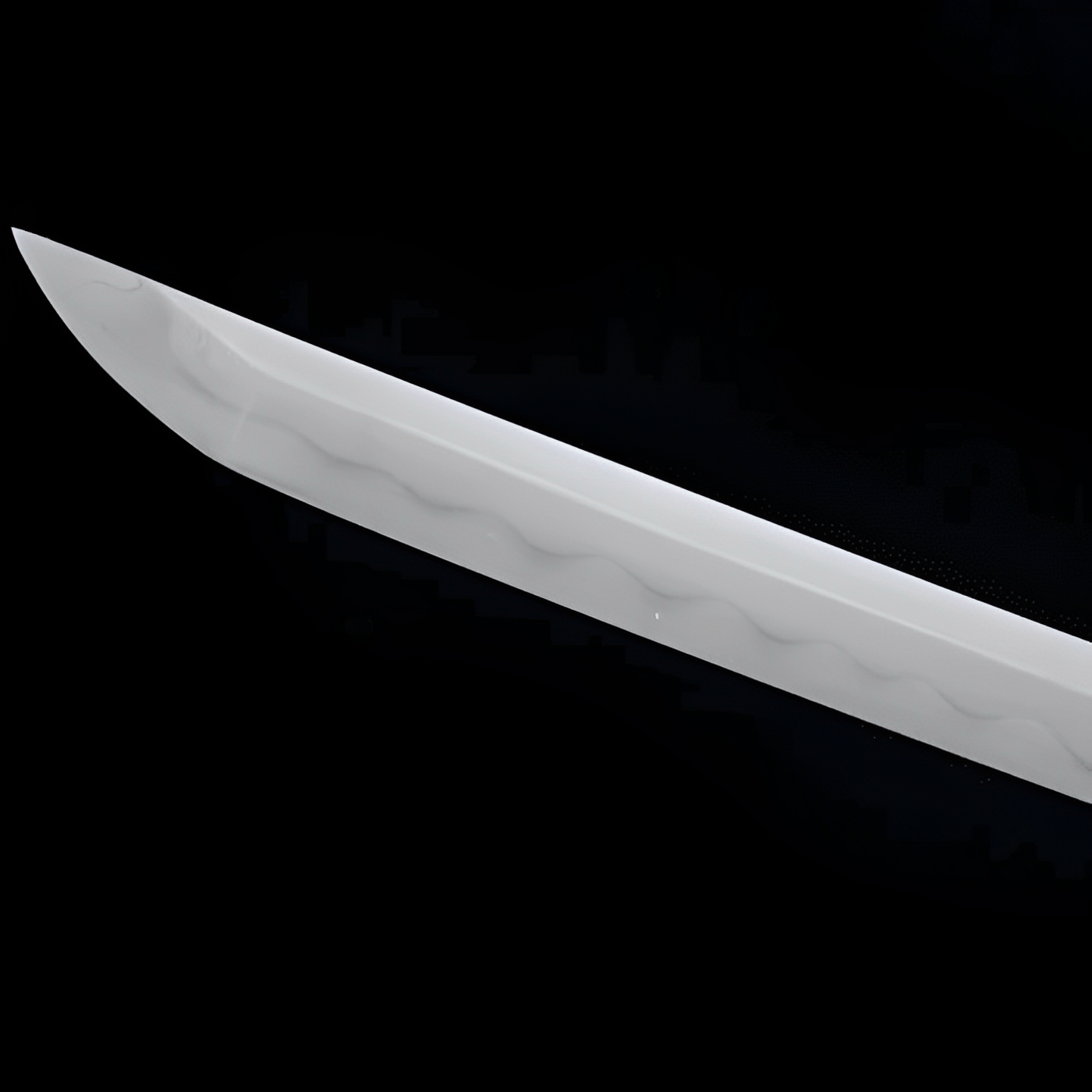
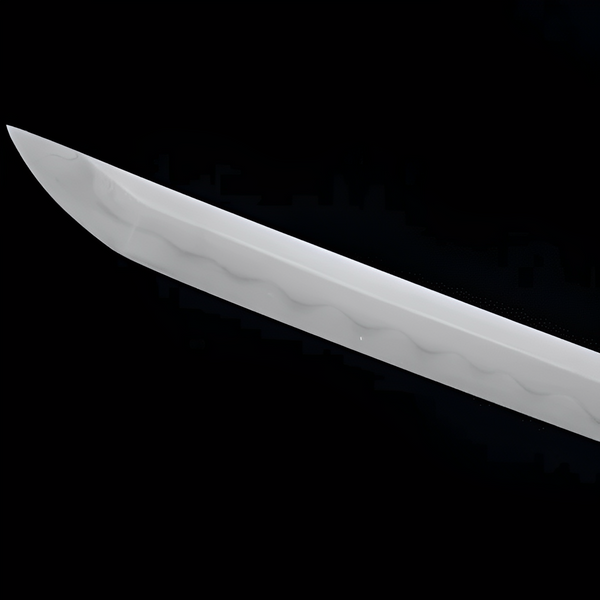
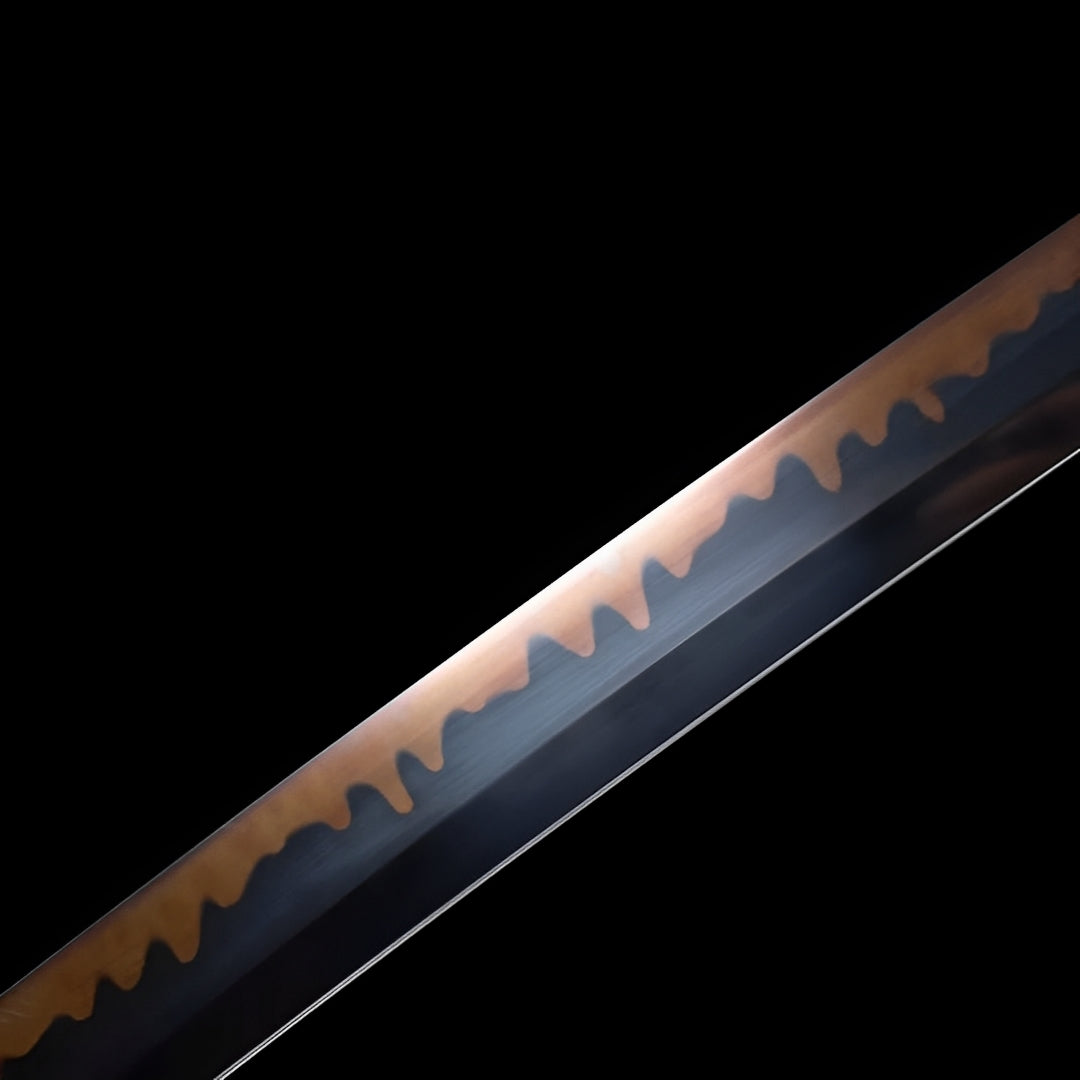
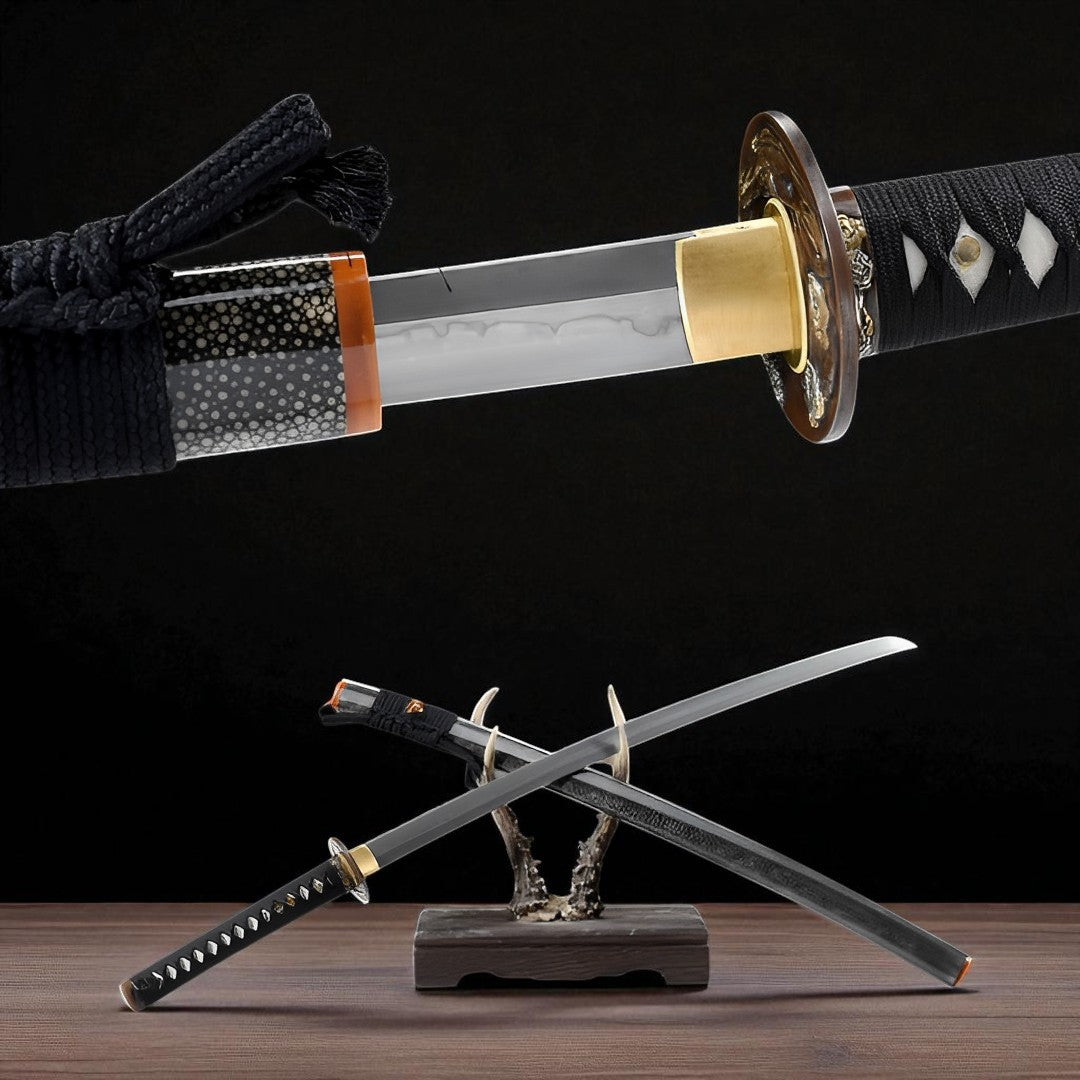
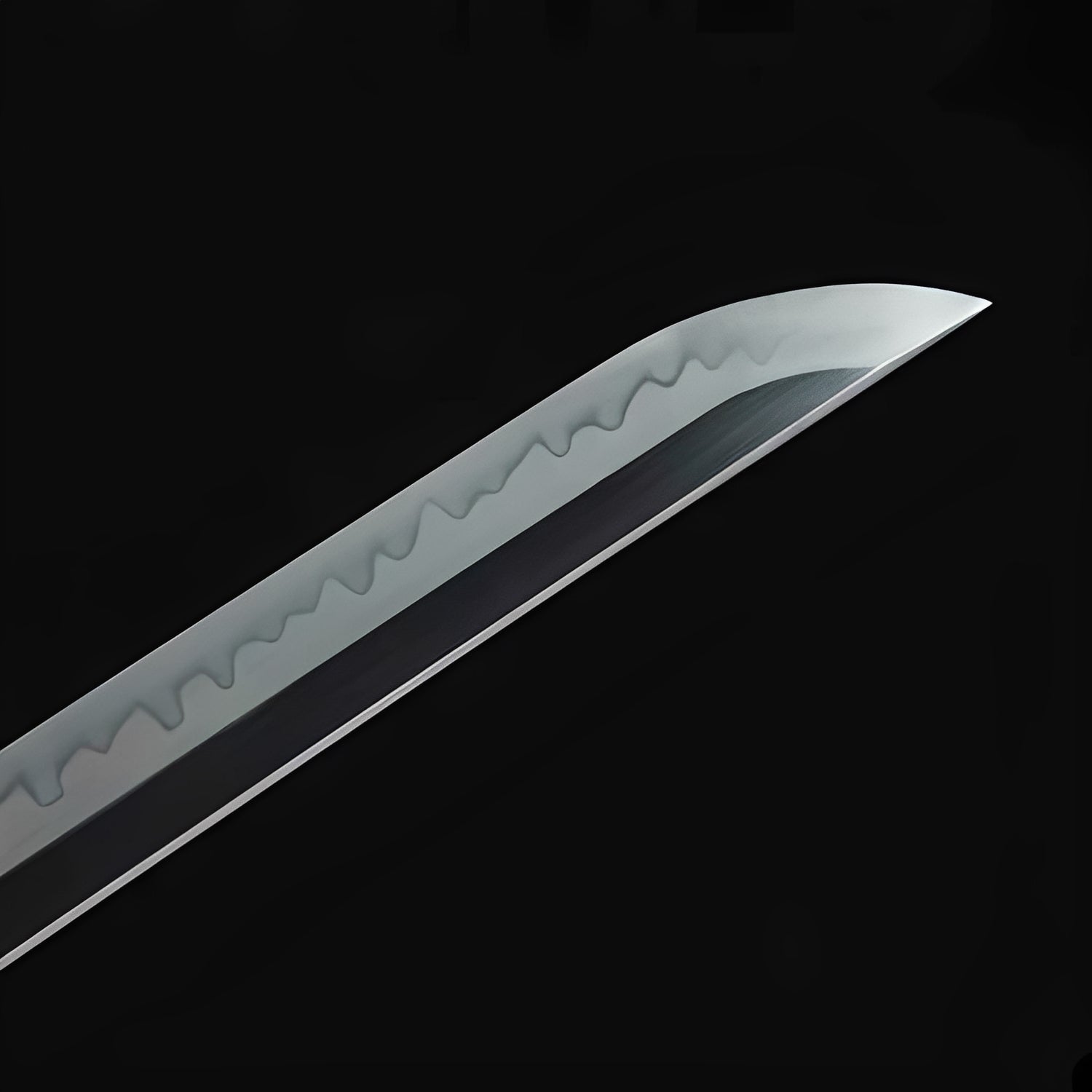
Most katanas in our high end collection feature a genuine hamon — the visible temper line created through traditional differential hardening. This is not a cosmetic effect applied after forging. It is the result of coating the blade's spine with clay before quenching in water, allowing the cutting edge to harden while the spine remains flexible.
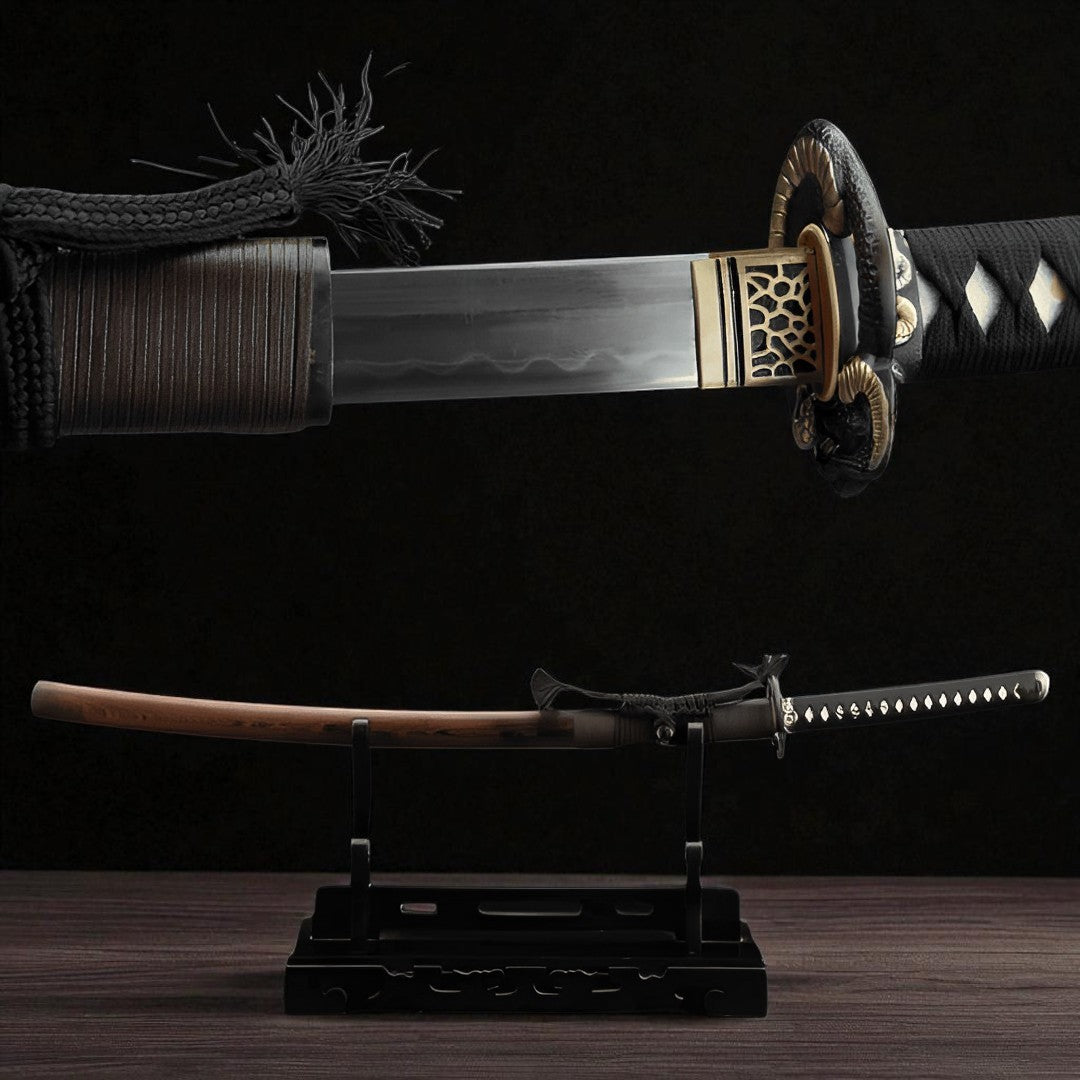
This process produces two distinct metallurgical zones within the same blade: a hard edge (yakiba) capable of holding a razor-sharp line, and a softer body (hira) that absorbs impact without fracturing. The boundary between these zones — the hamon — becomes visible after careful hand-polishing and takes patterns unique to each sword, from straight suguha lines to dramatic midare waves and the rare hitatsura pattern that spreads crystals across the entire blade surface.
Achieving a clean hamon demands precise temperature control and years of experience. Even master smiths cannot guarantee the result — which is part of what makes a genuine hamon katana so valued among collectors.
Premium fittings and hand-finished details
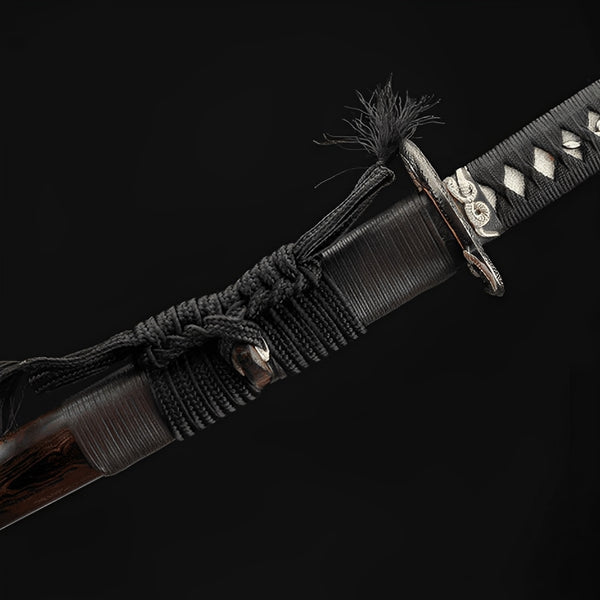
On a high end katana, the fittings are not afterthoughts — they are individually crafted components that contribute to the sword's balance, grip, and visual identity.
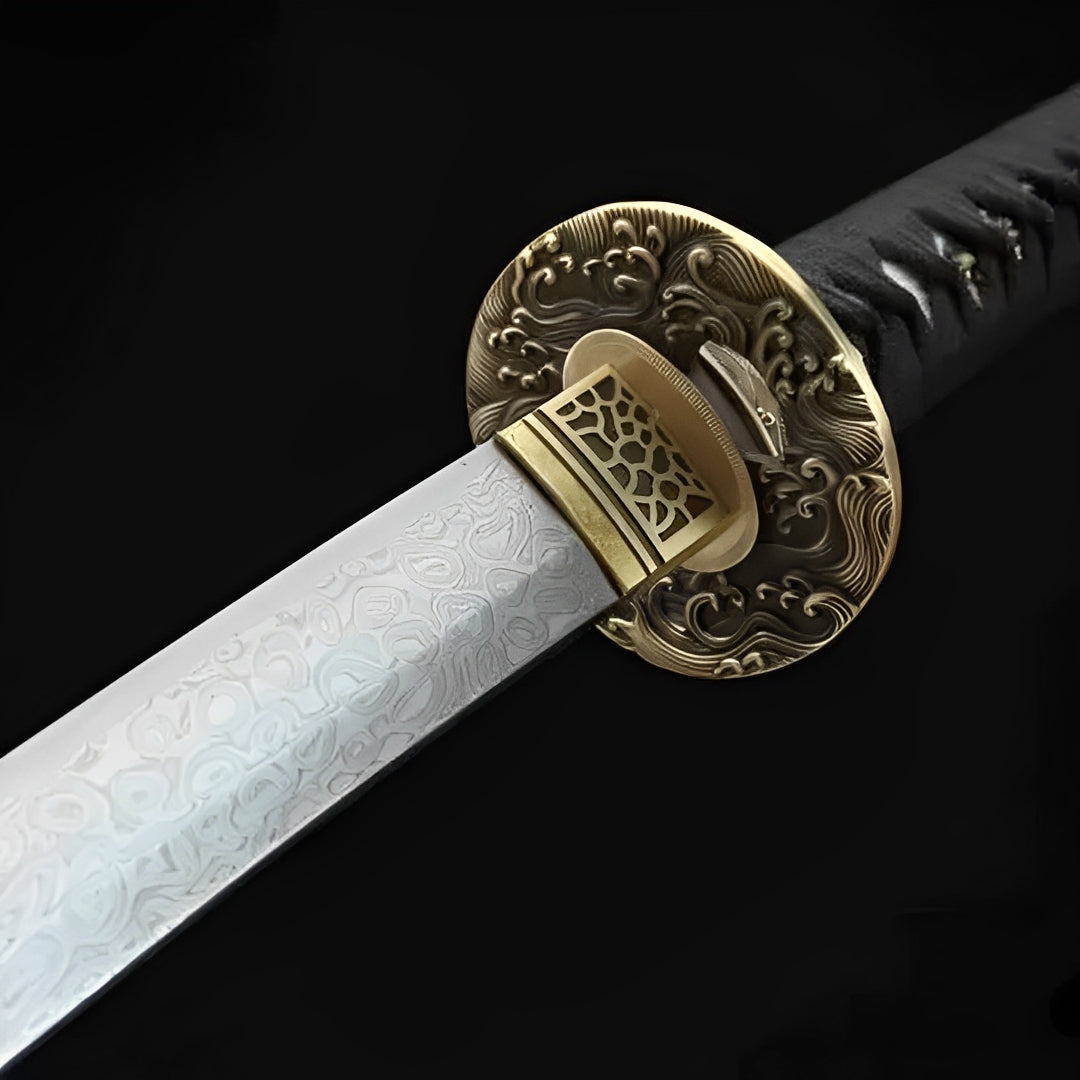
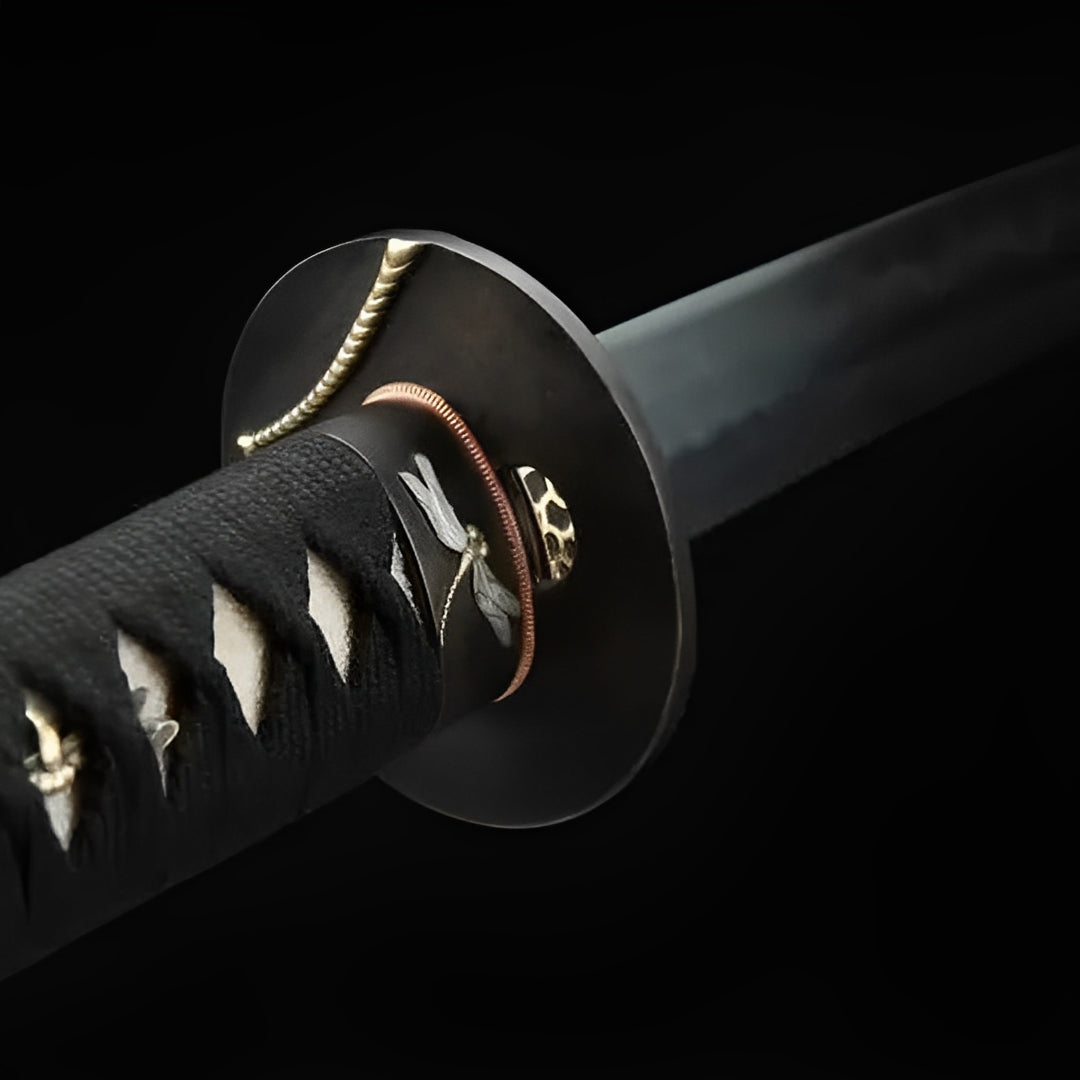
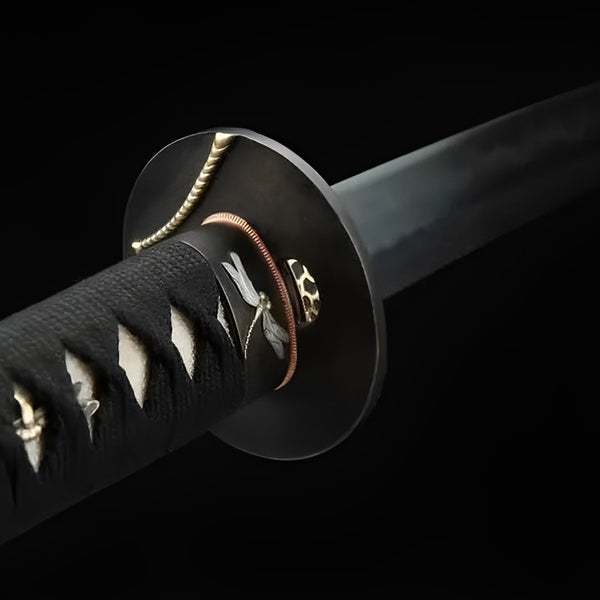
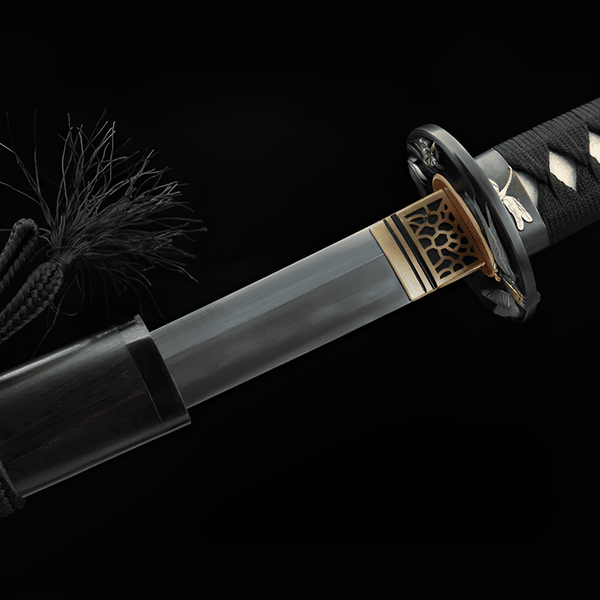
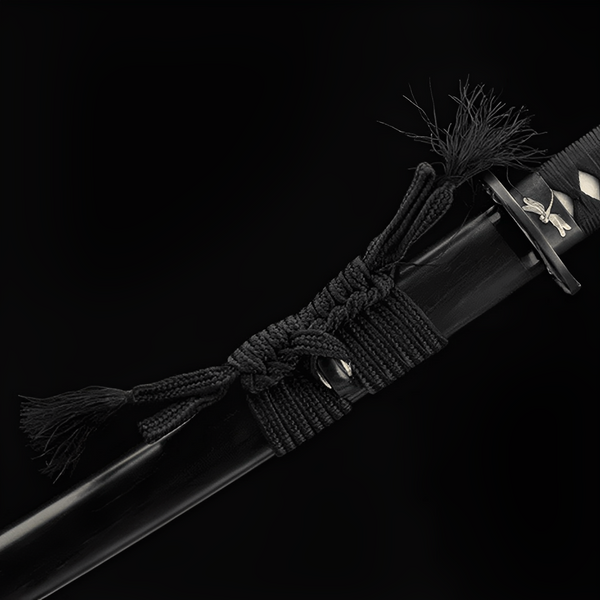
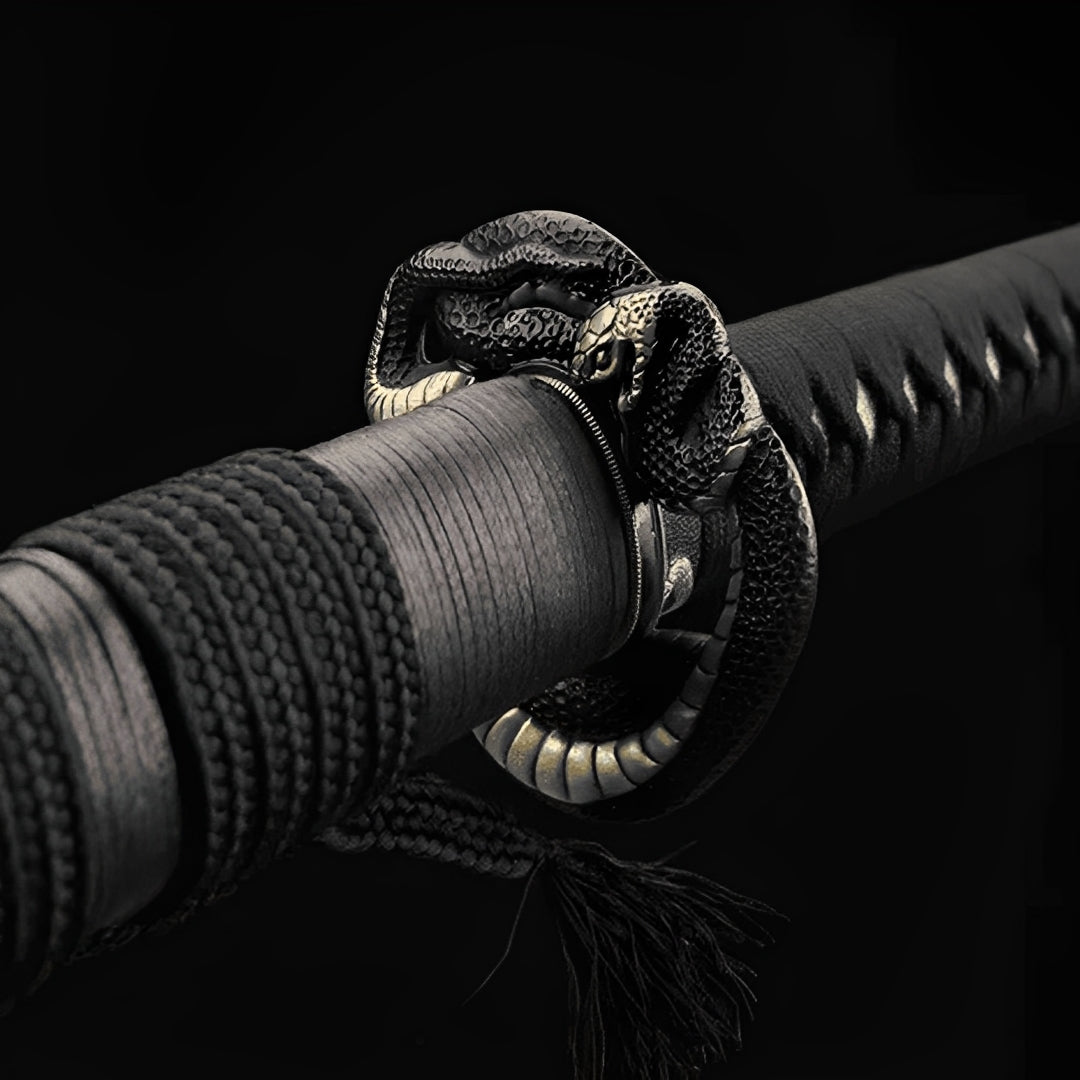
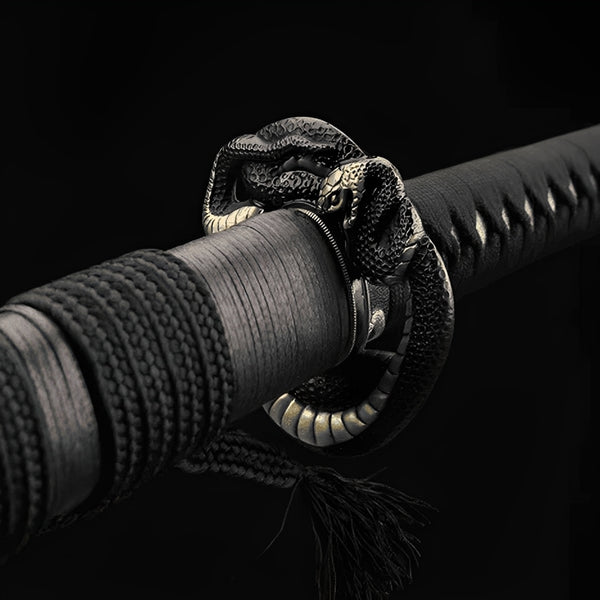
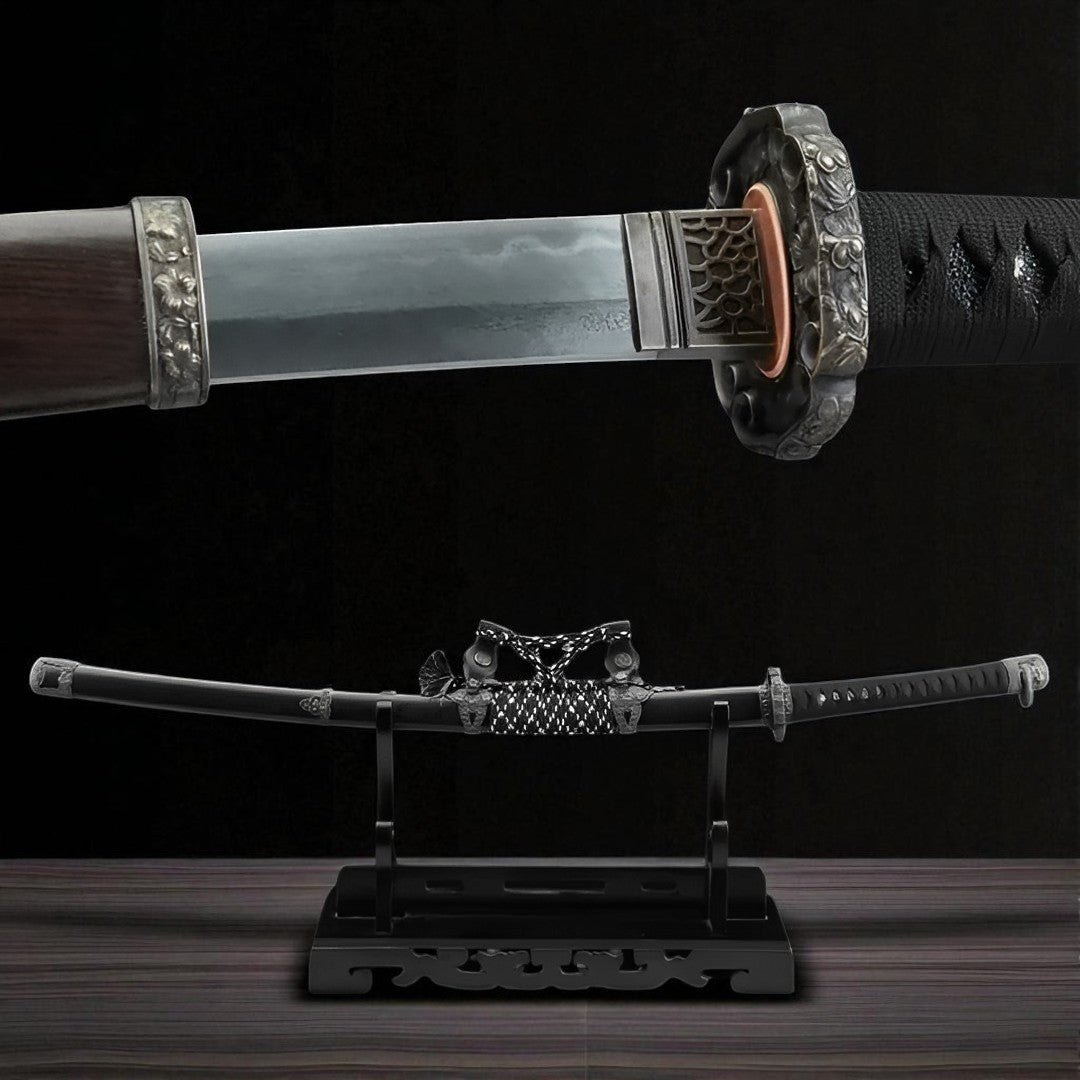
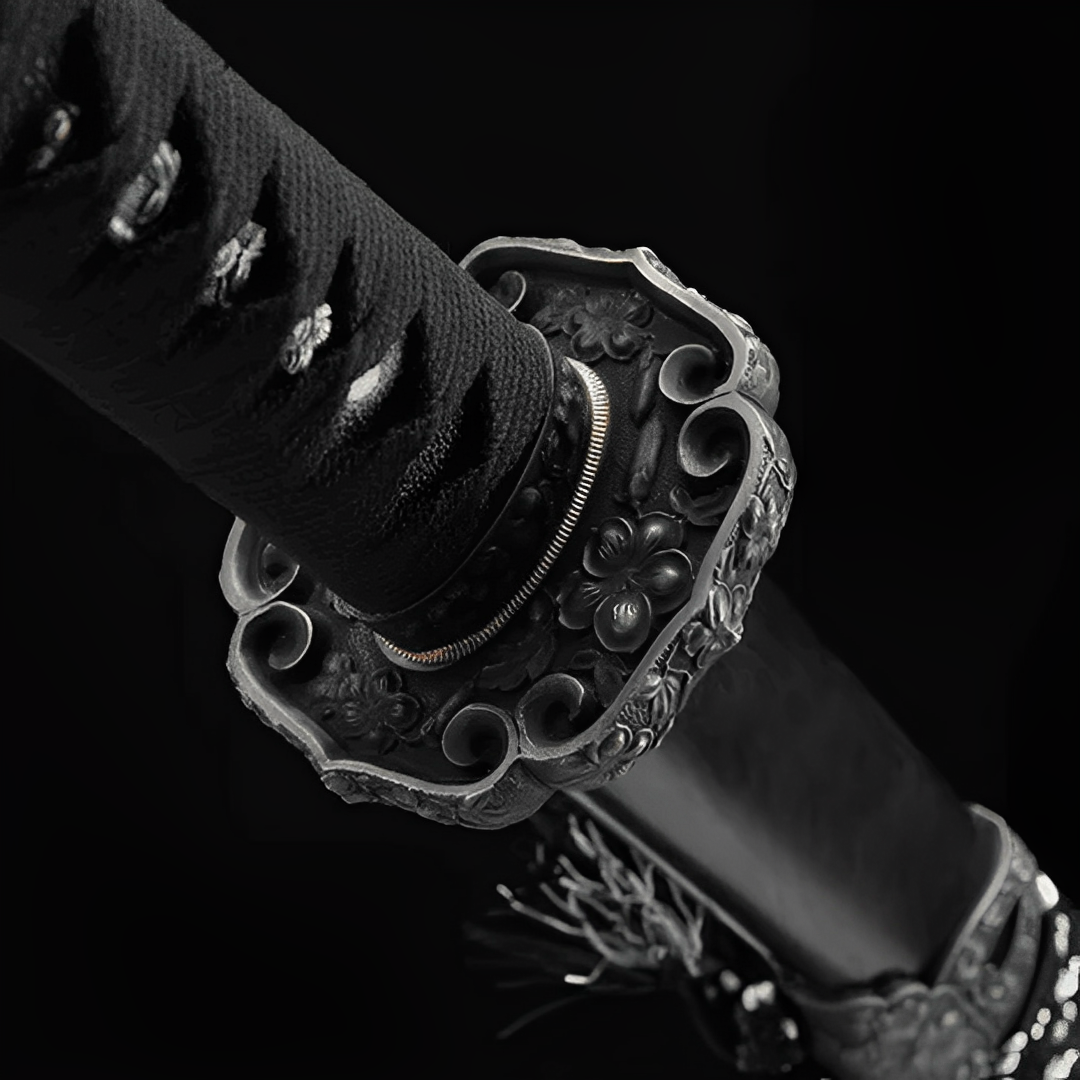
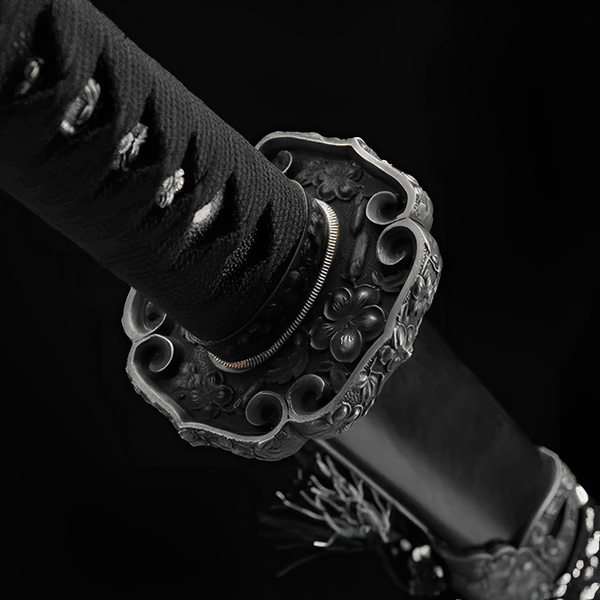
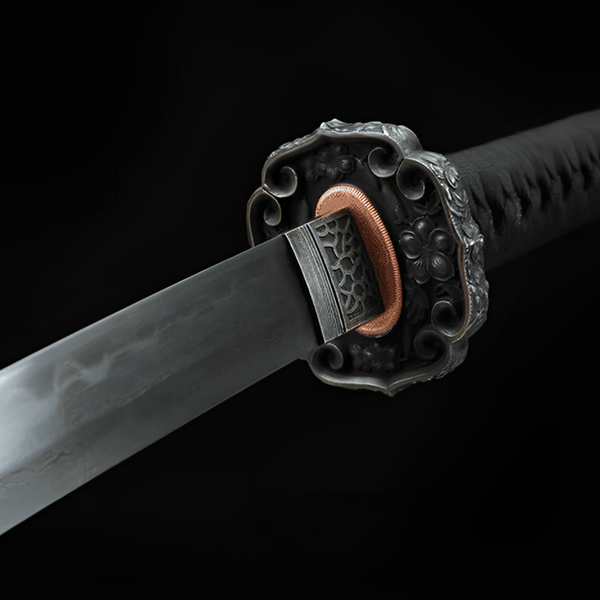
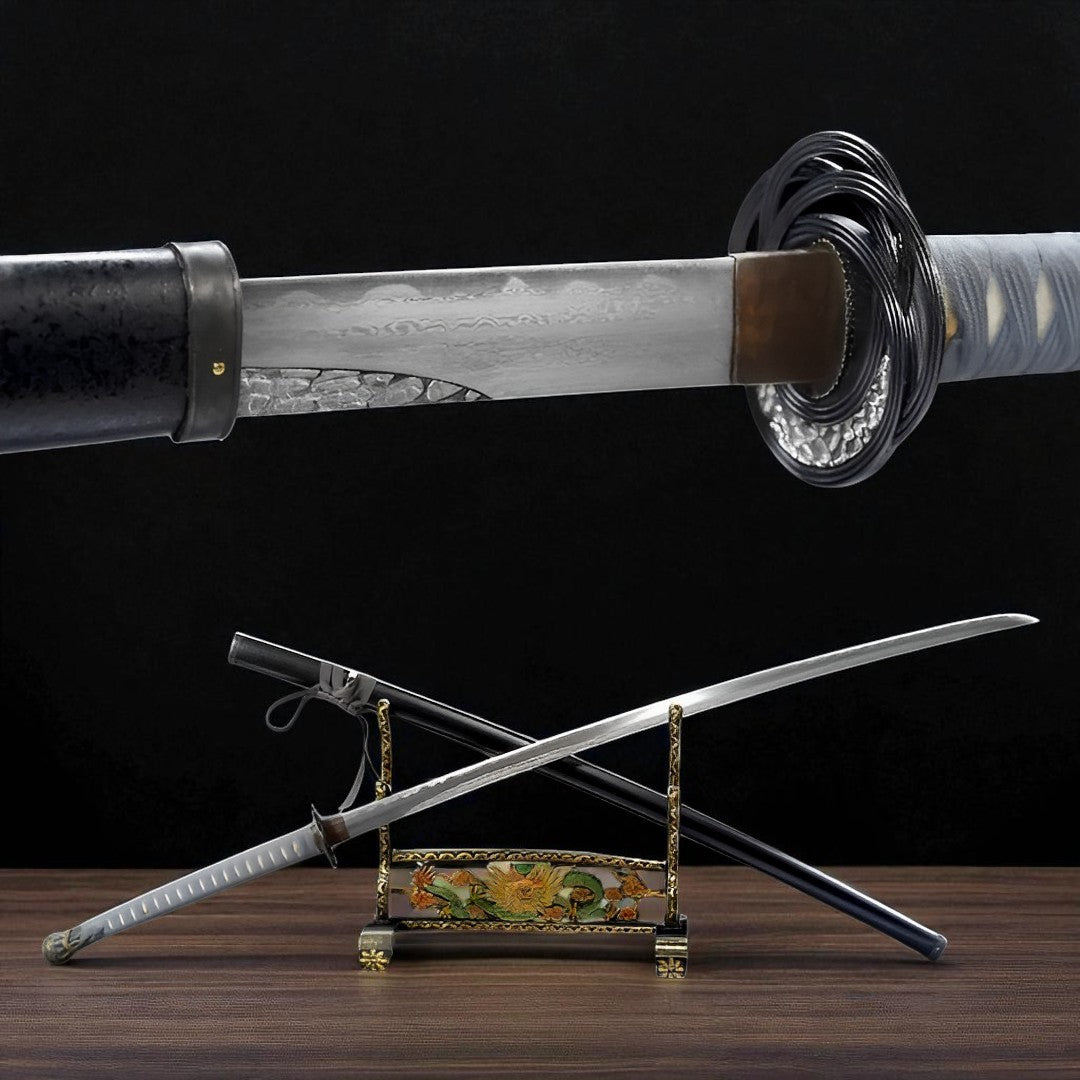
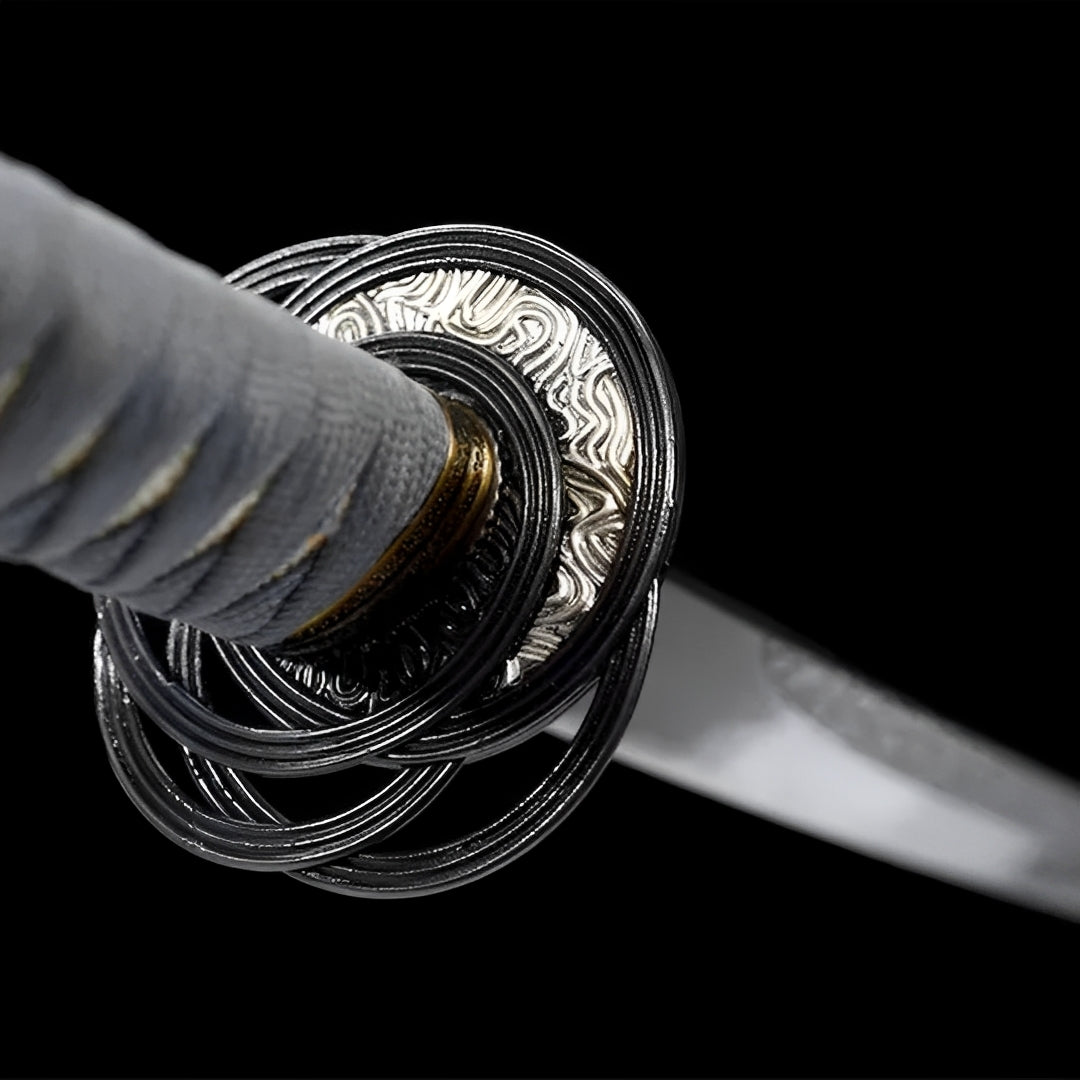
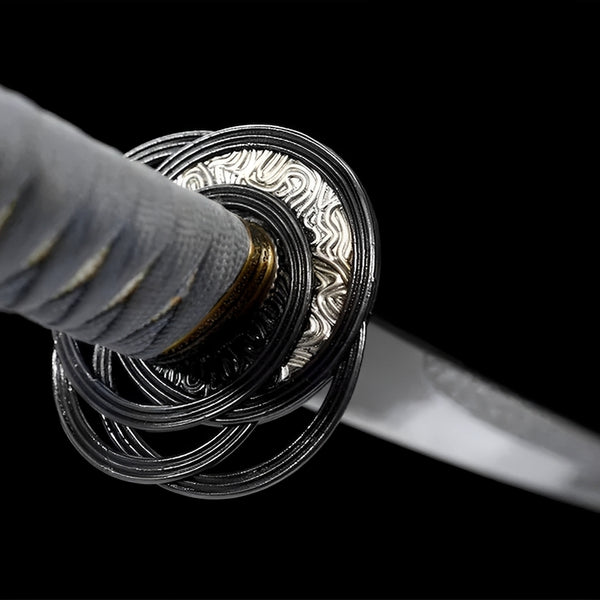
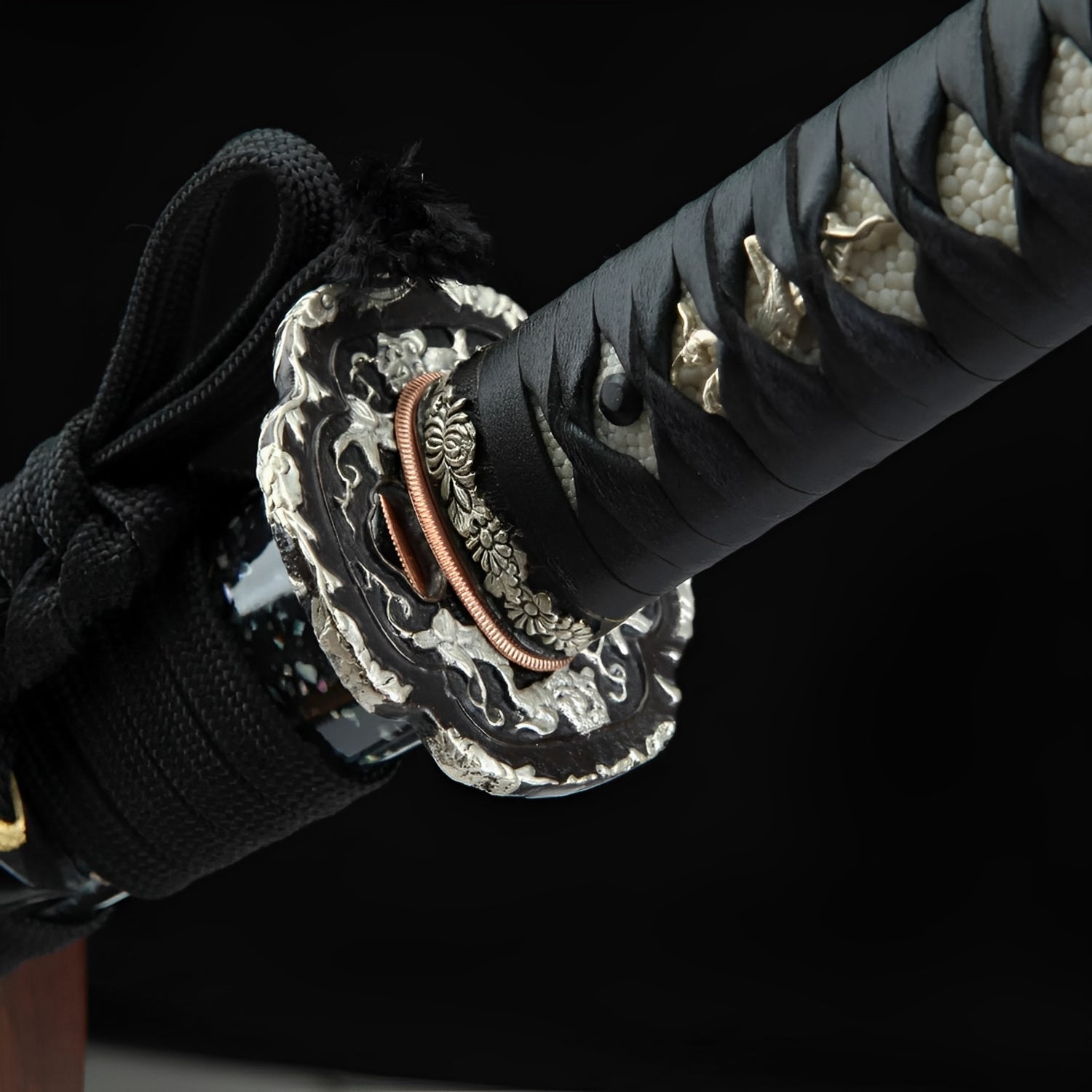
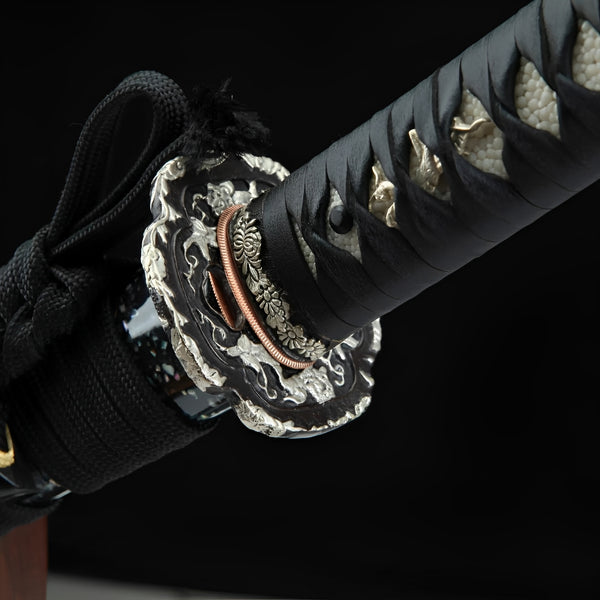
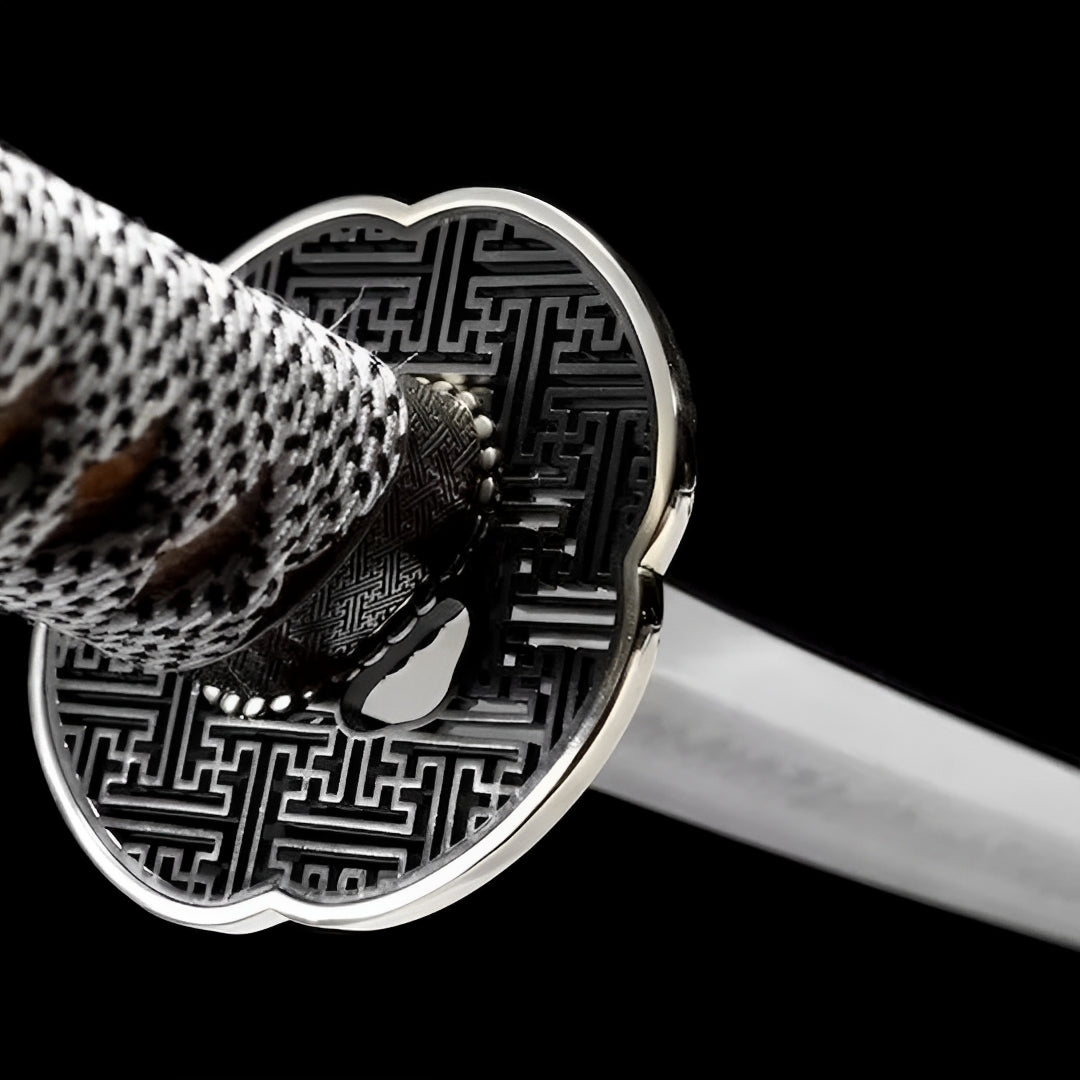
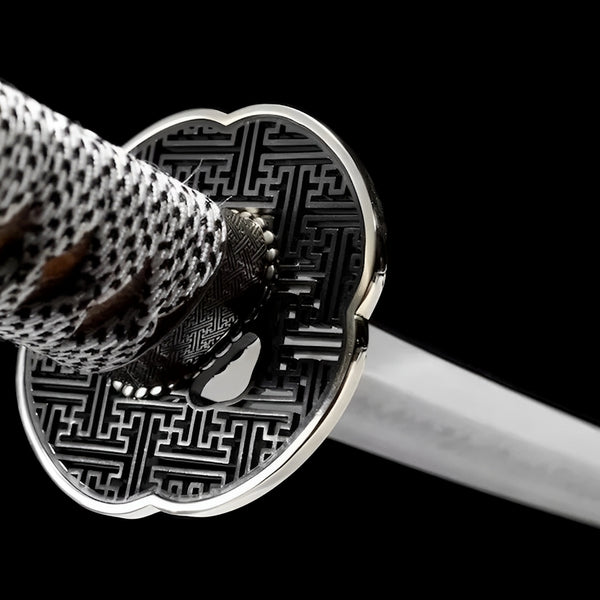
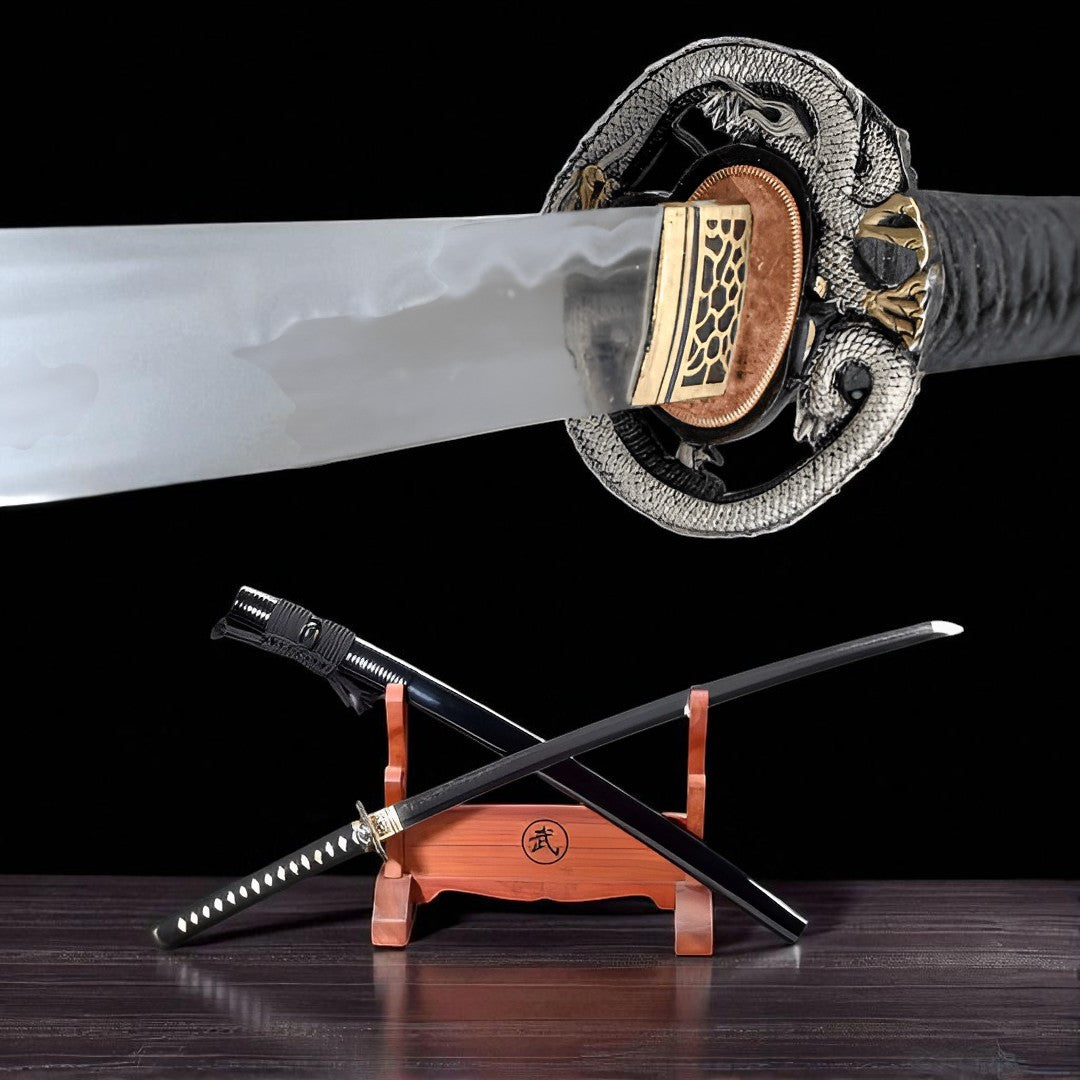
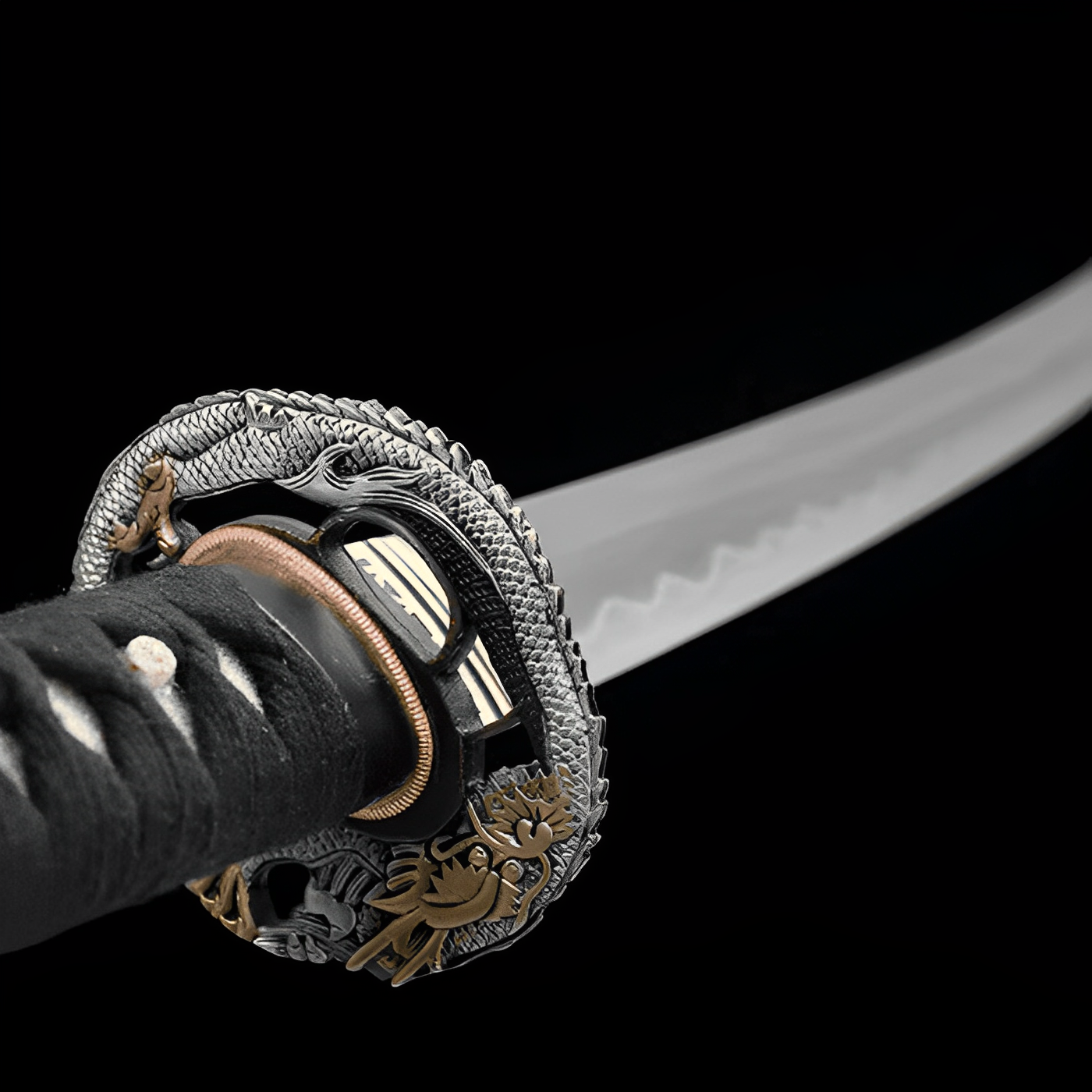
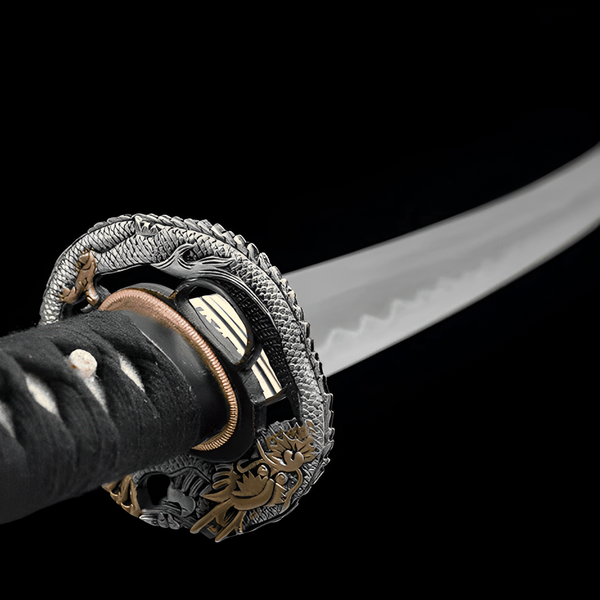
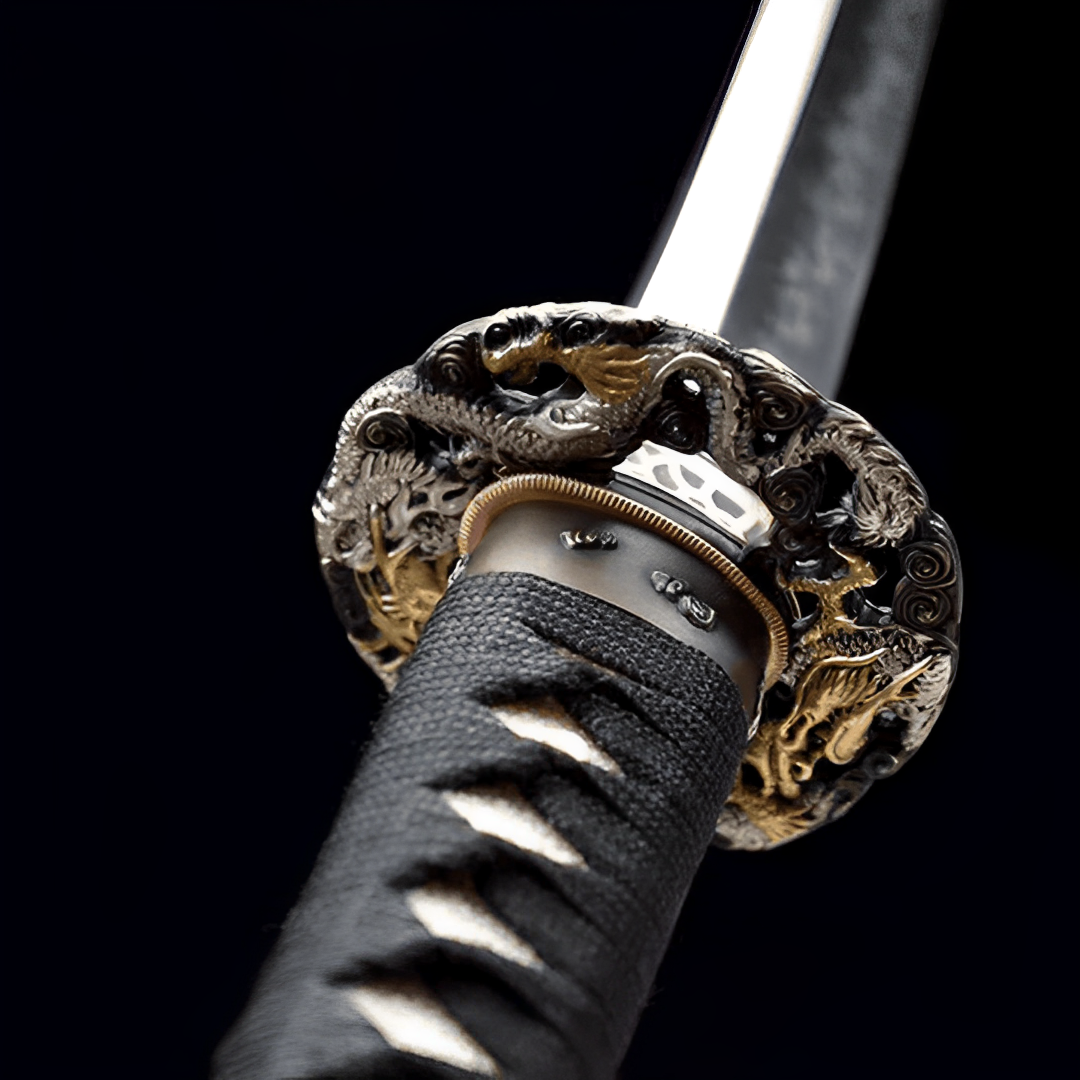
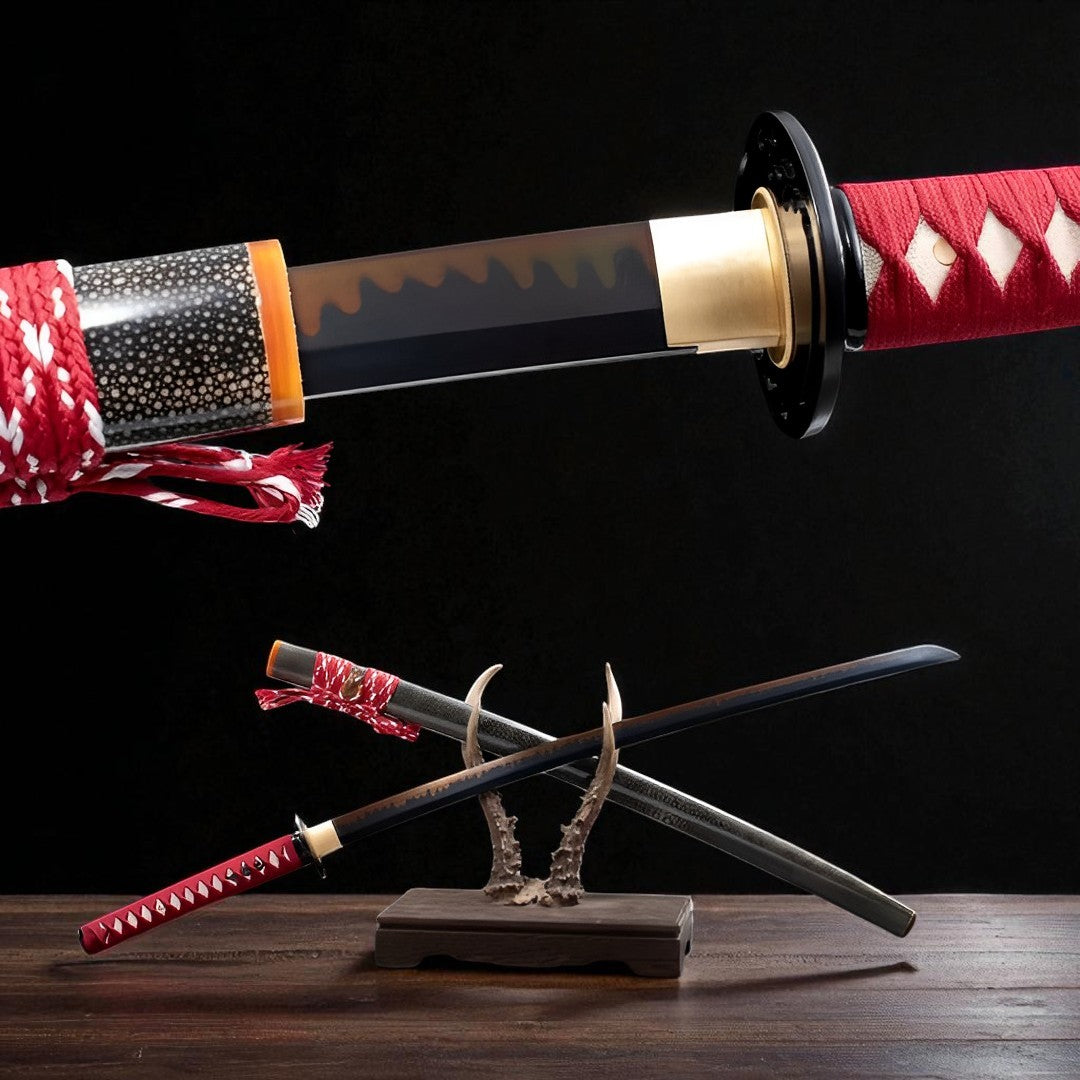
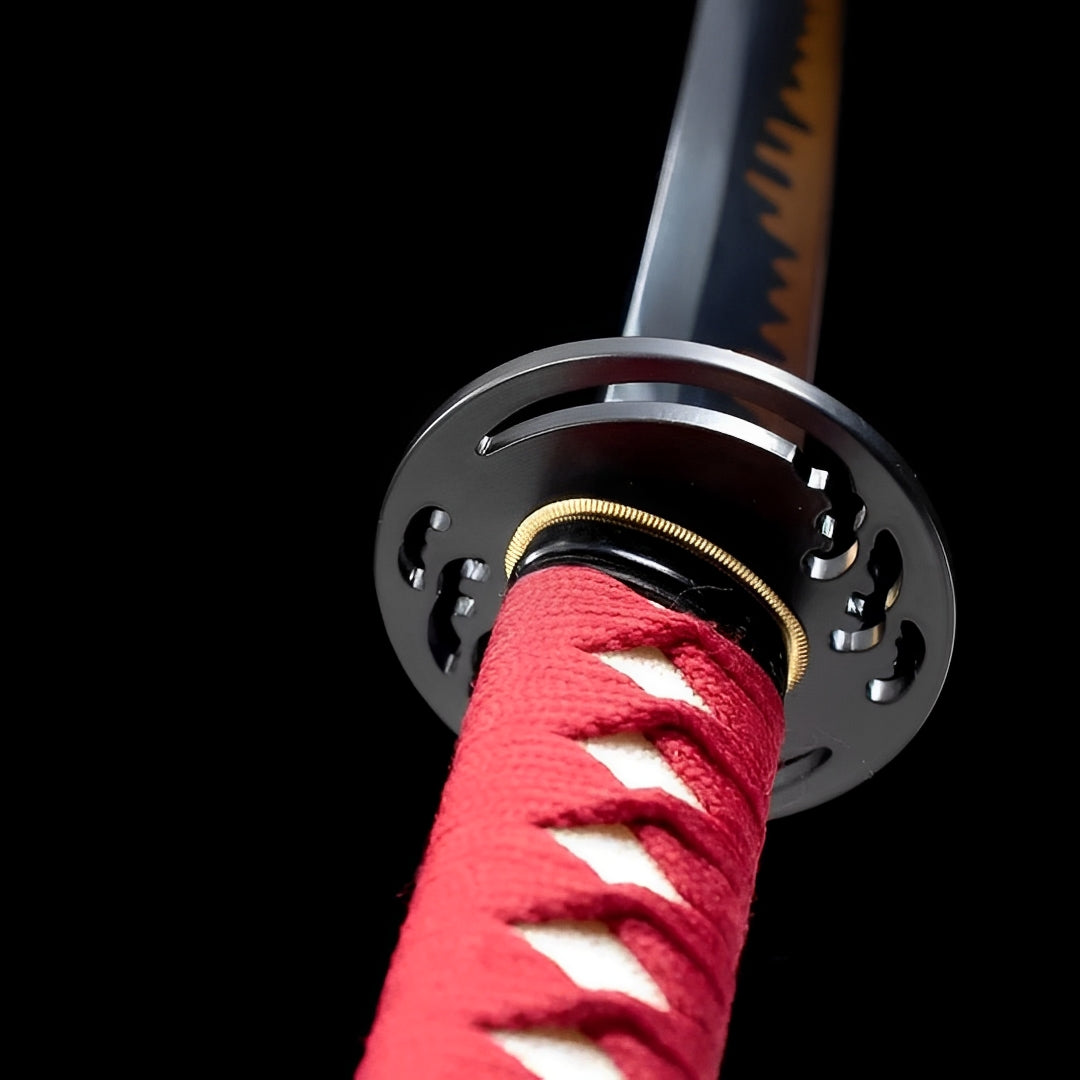
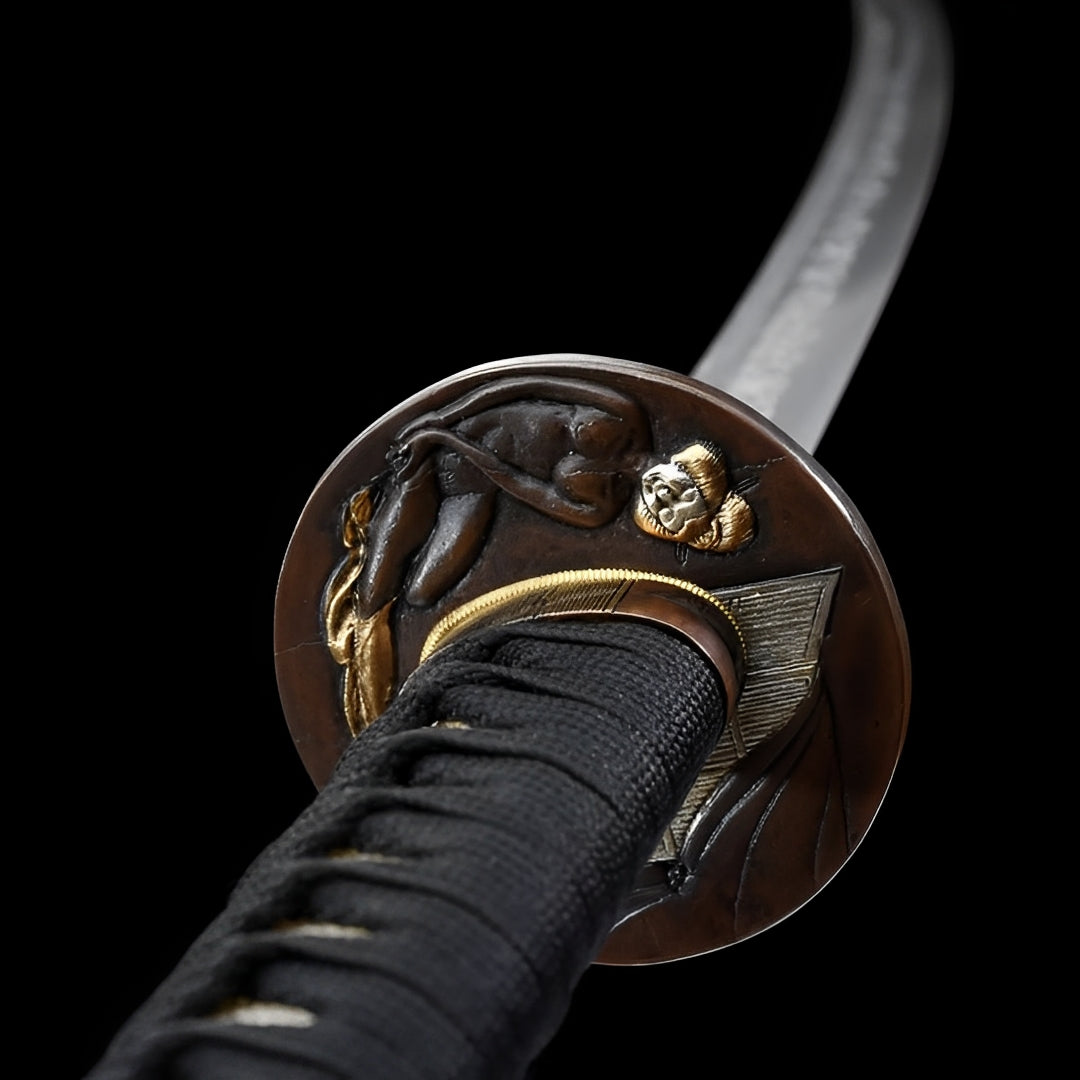
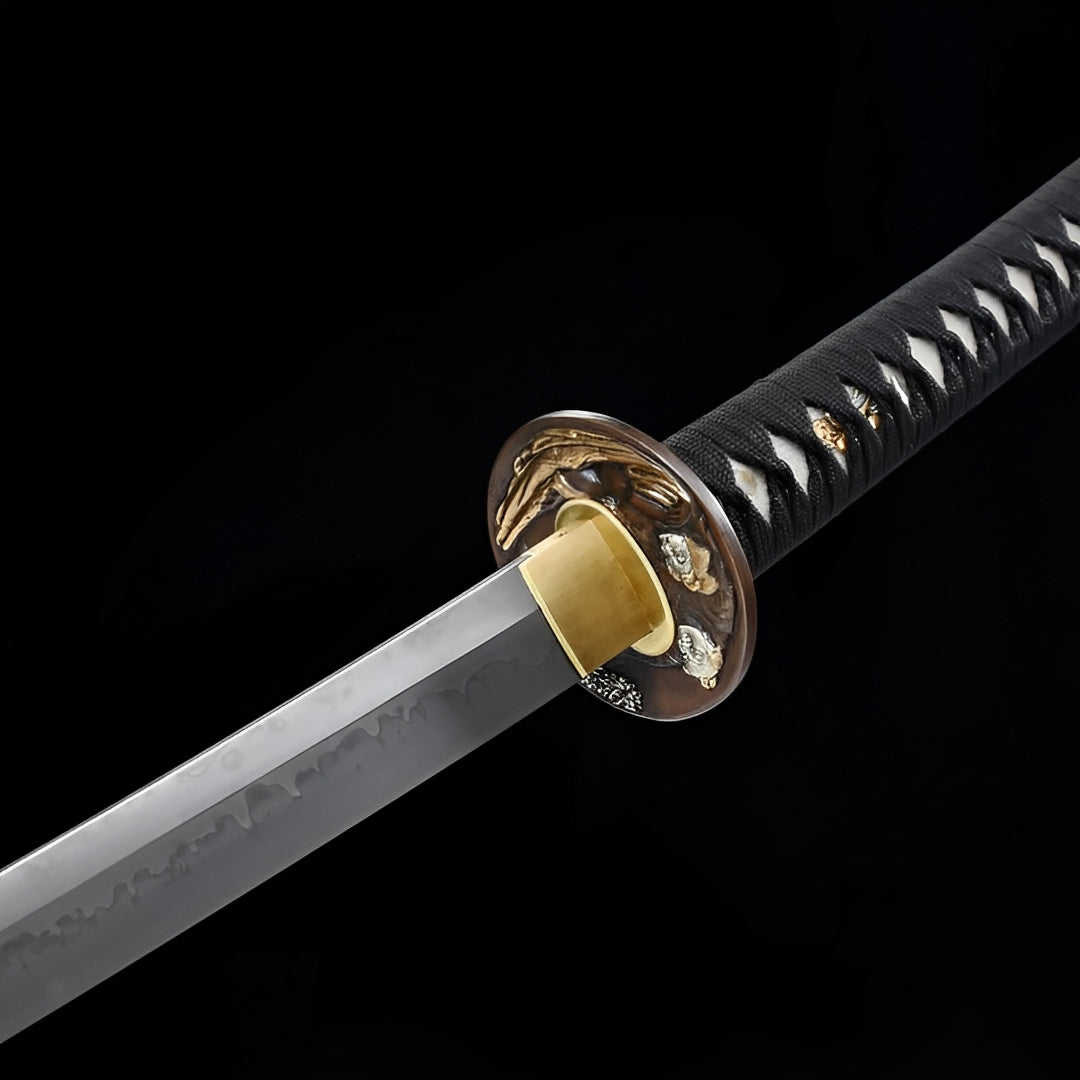
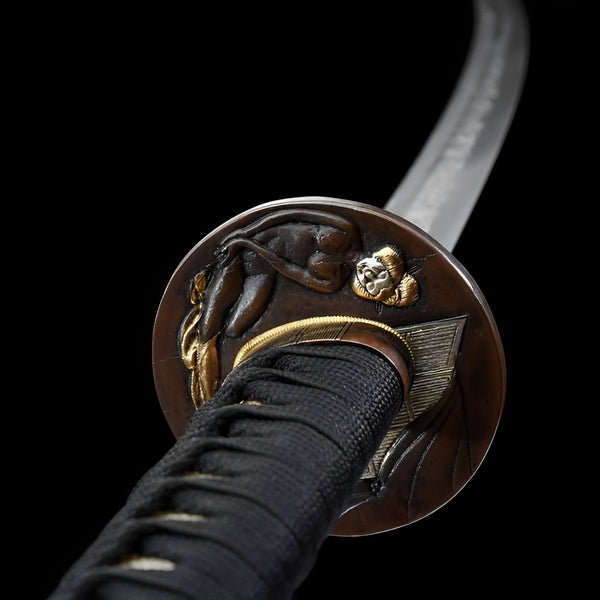
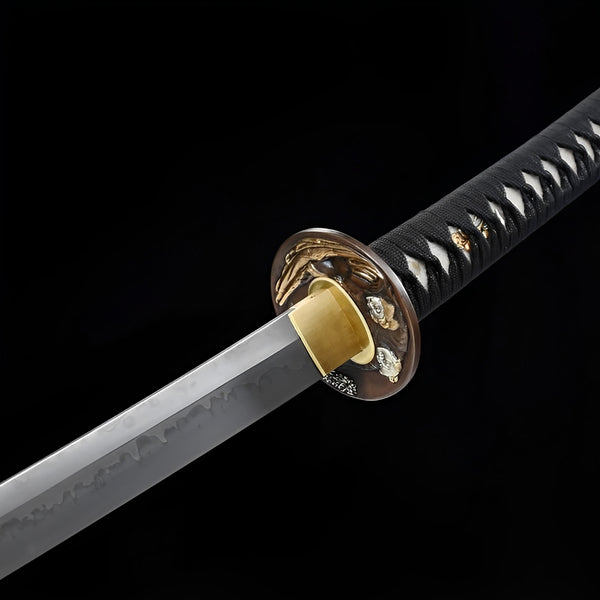
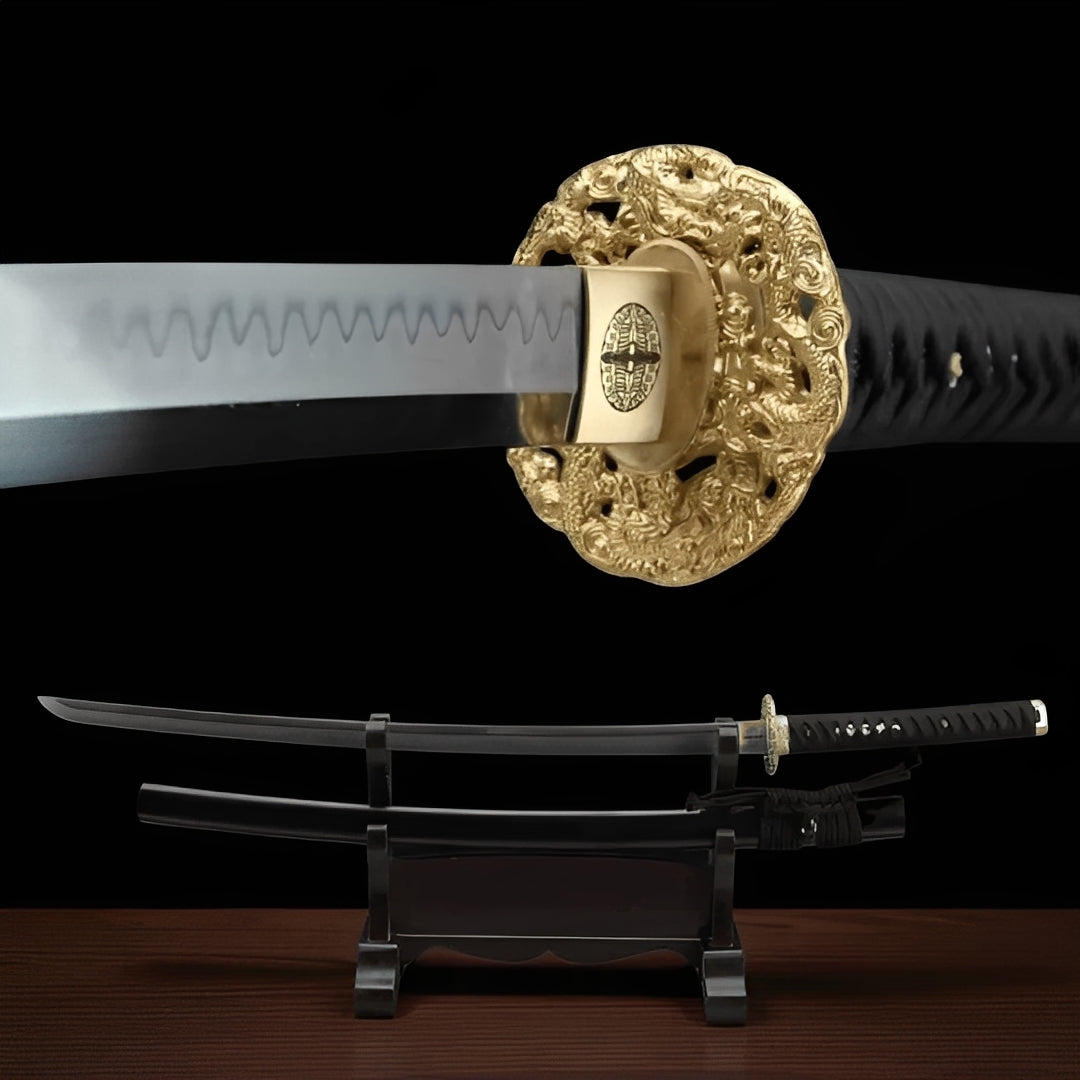
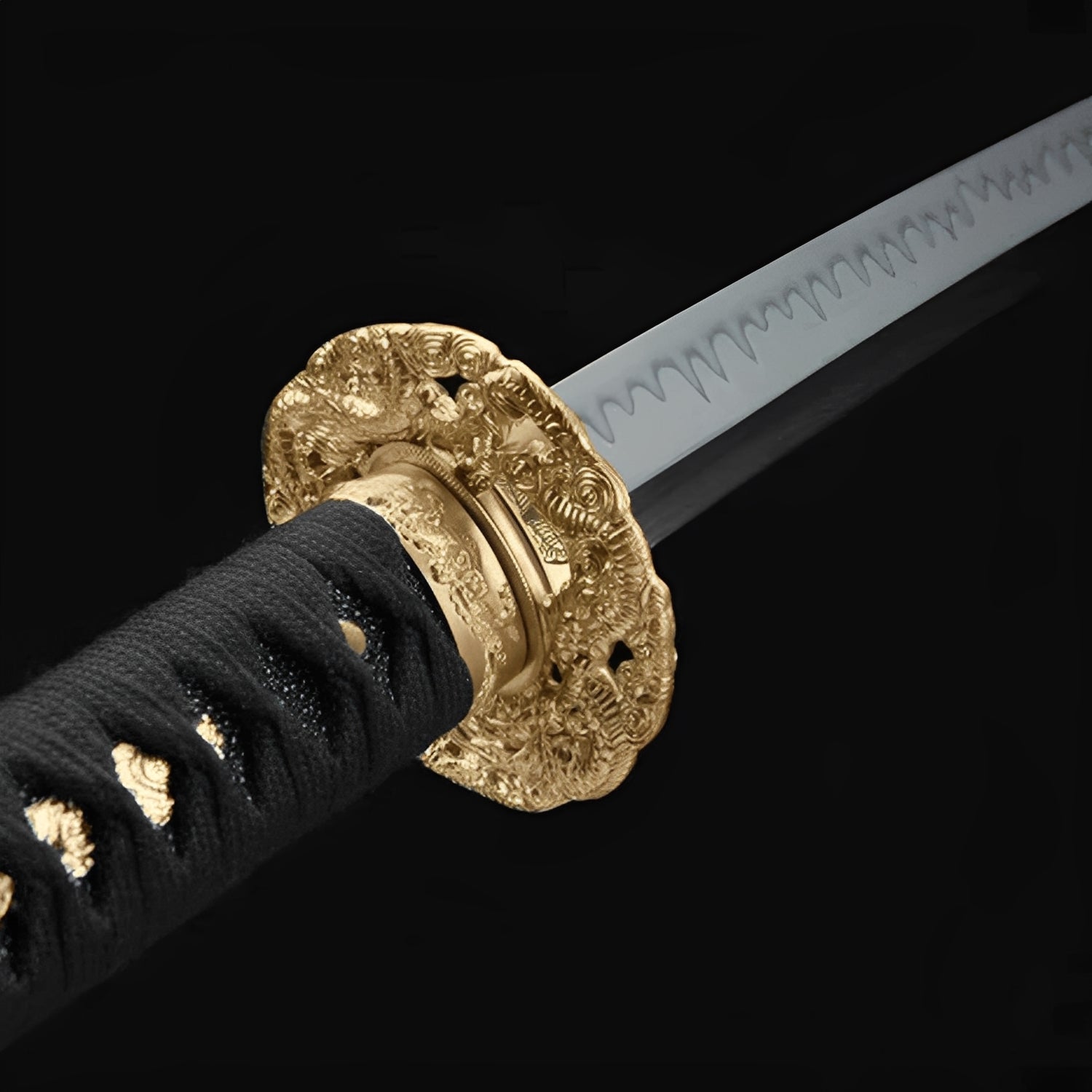
Tsuba (guard): Instead of cast-zinc alloy guards, these swords feature iron, copper, or brass tsuba with sculpted relief — dragonflies, clouds, dragons, floral motifs — each finished by hand with filing, patination, and sometimes gold inlay.
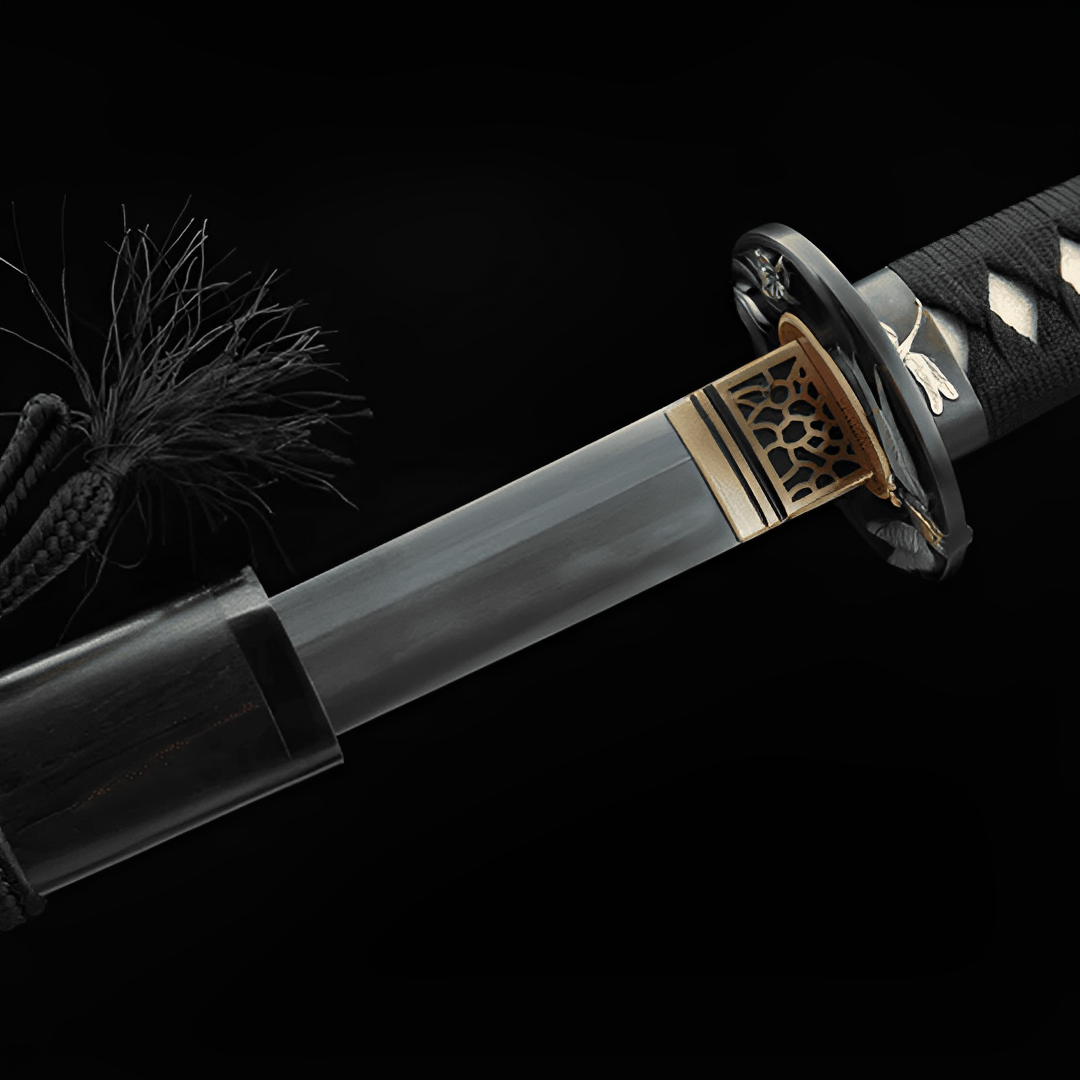
Habaki (blade collar): Precision-fitted brass or copper habaki, often engraved with family crests or geometric patterns. The habaki secures the blade inside the scabbard and absorbs vibration during cutting — a functional component that also showcases the smith's metalworking skill.
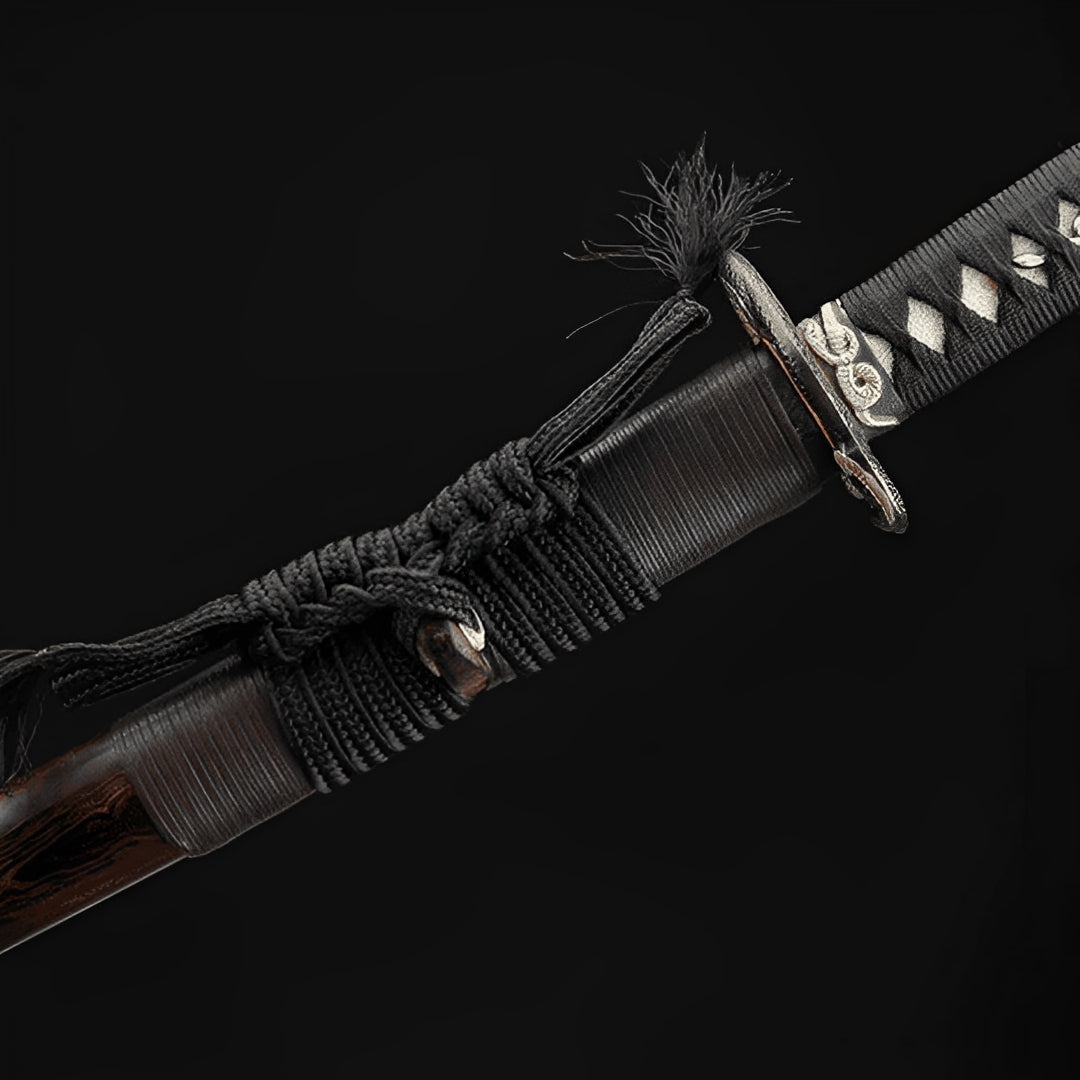
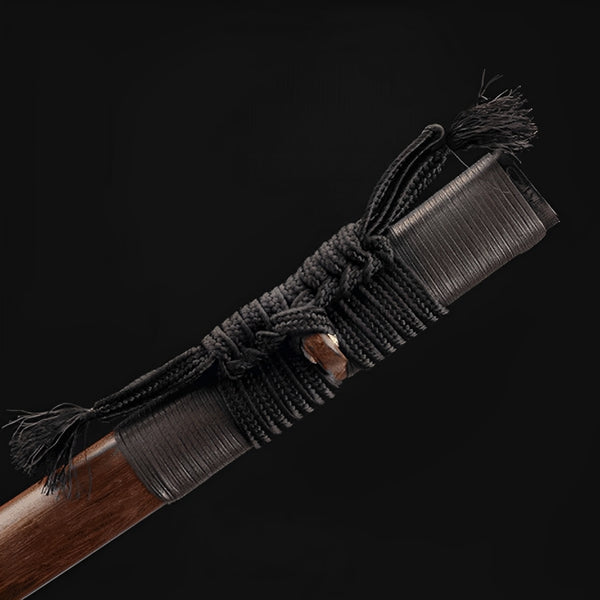
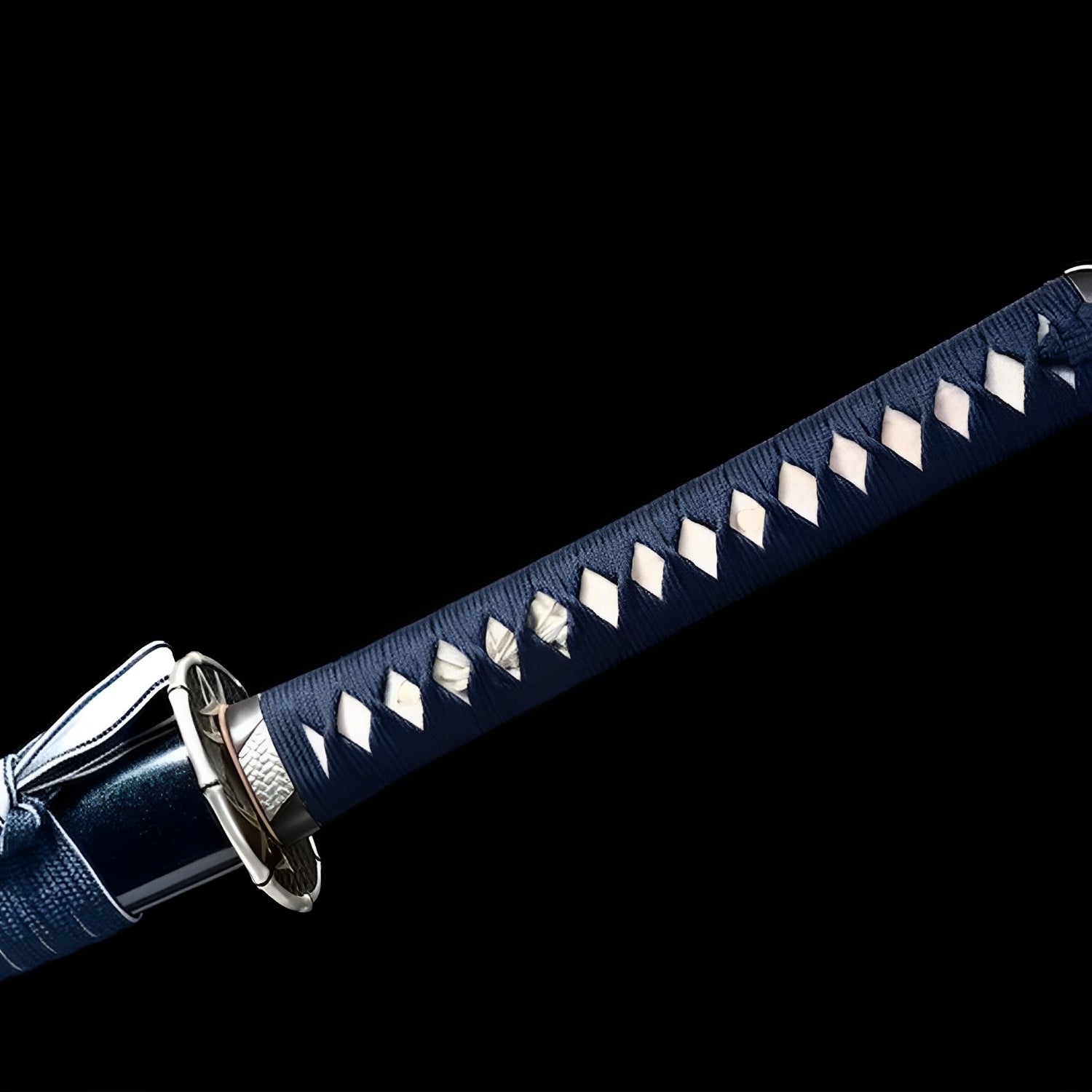
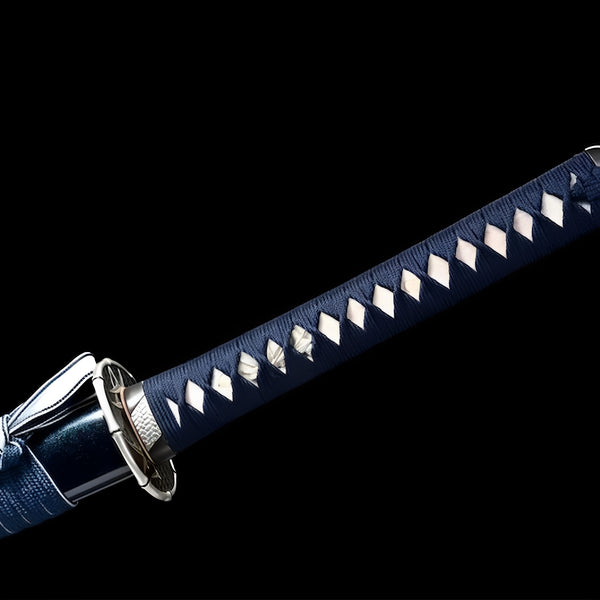
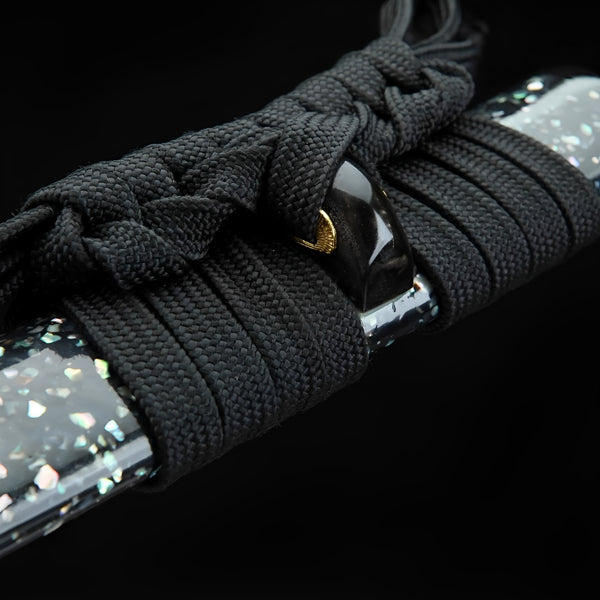
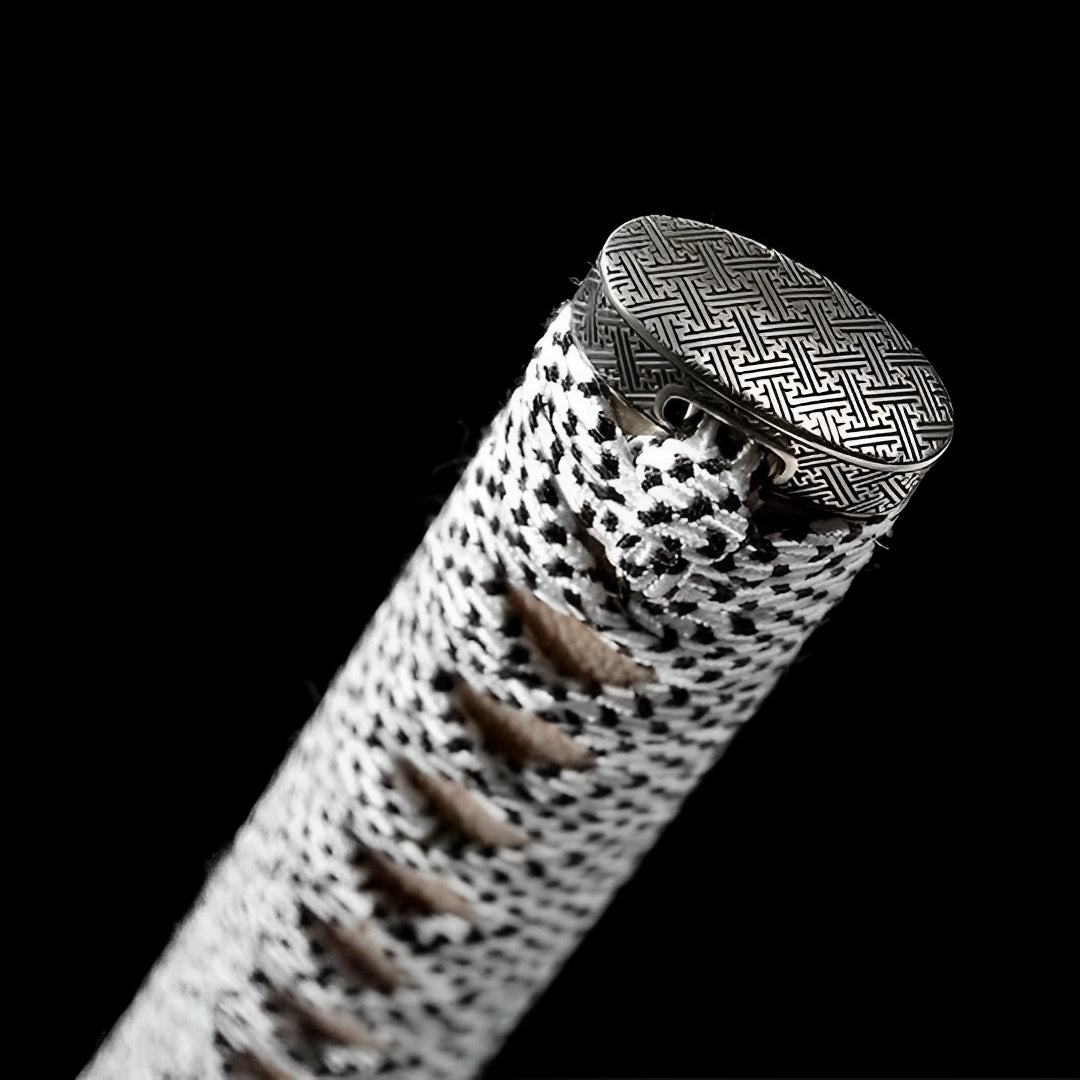
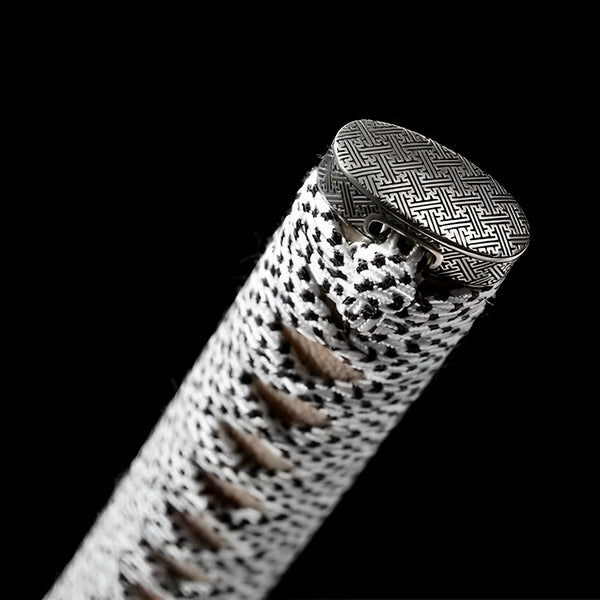
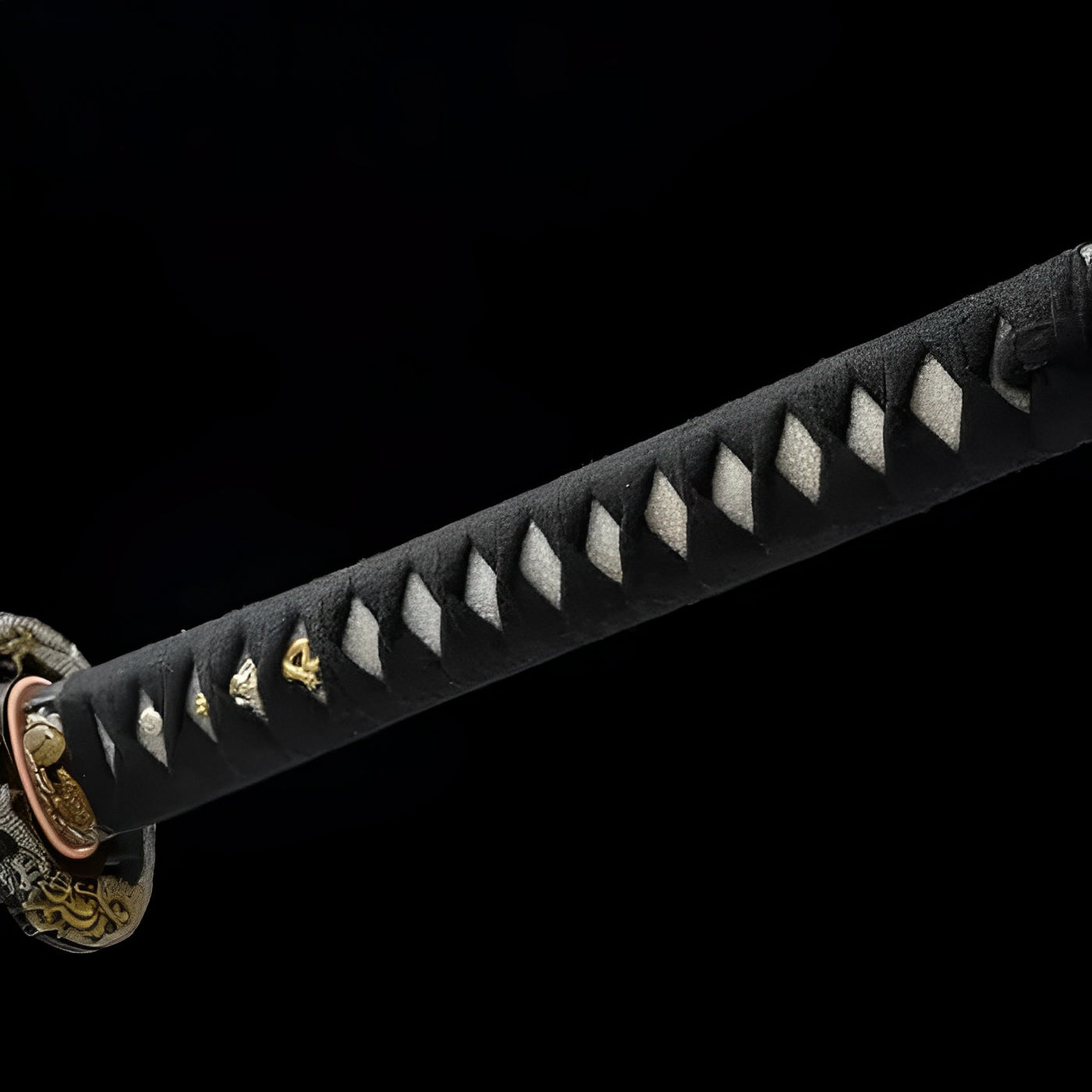
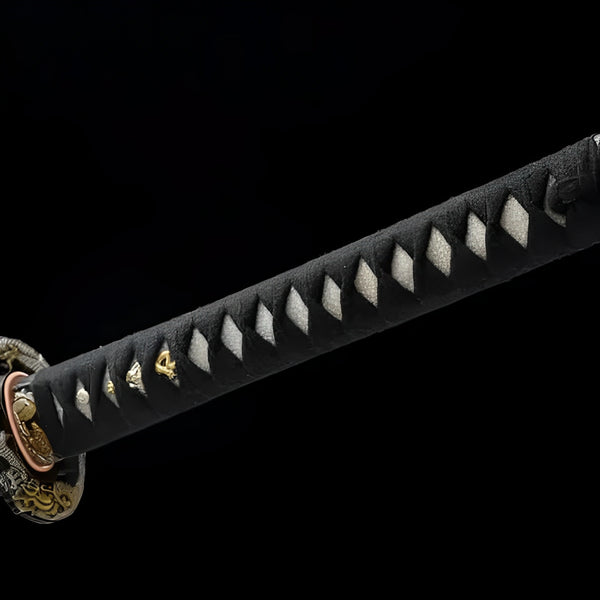
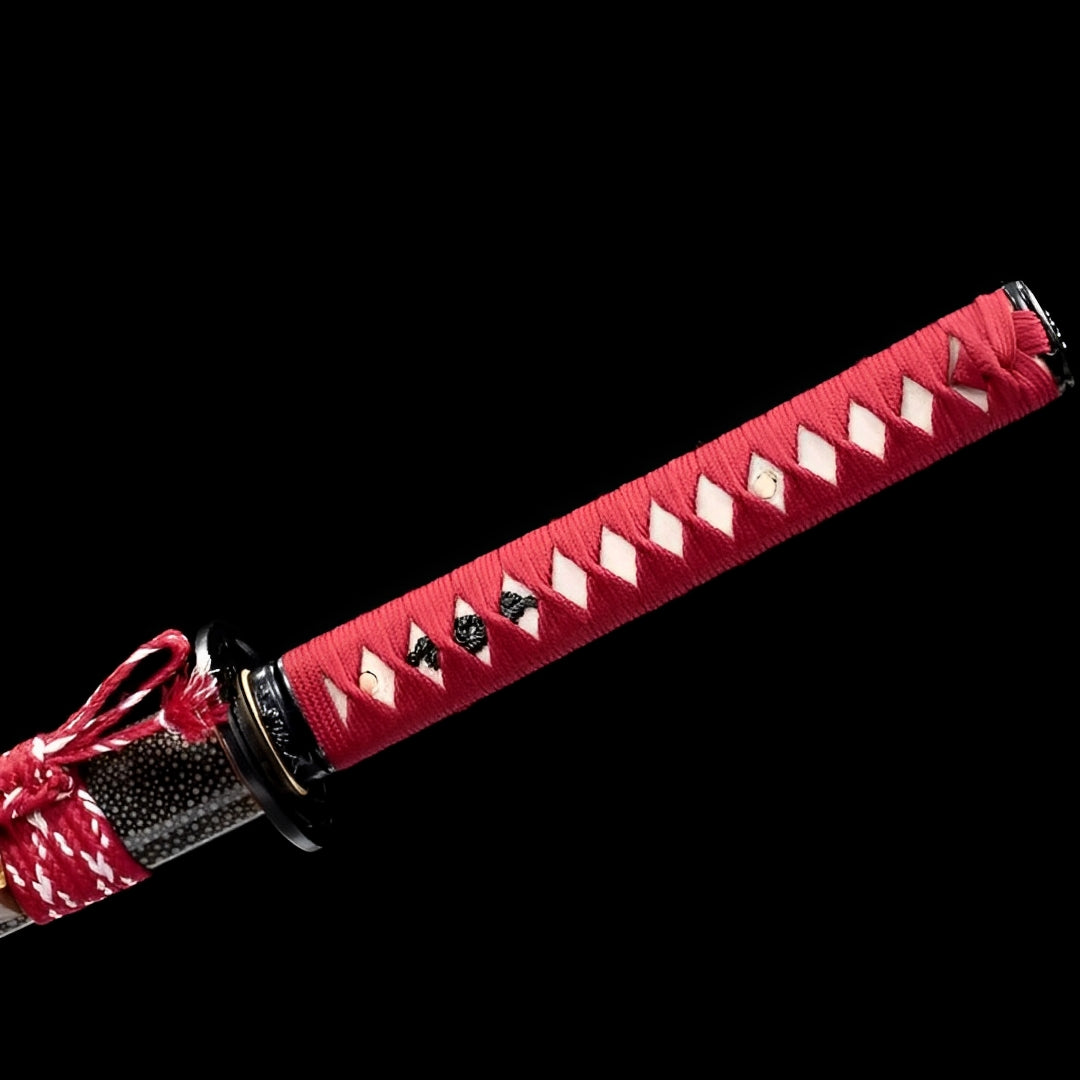
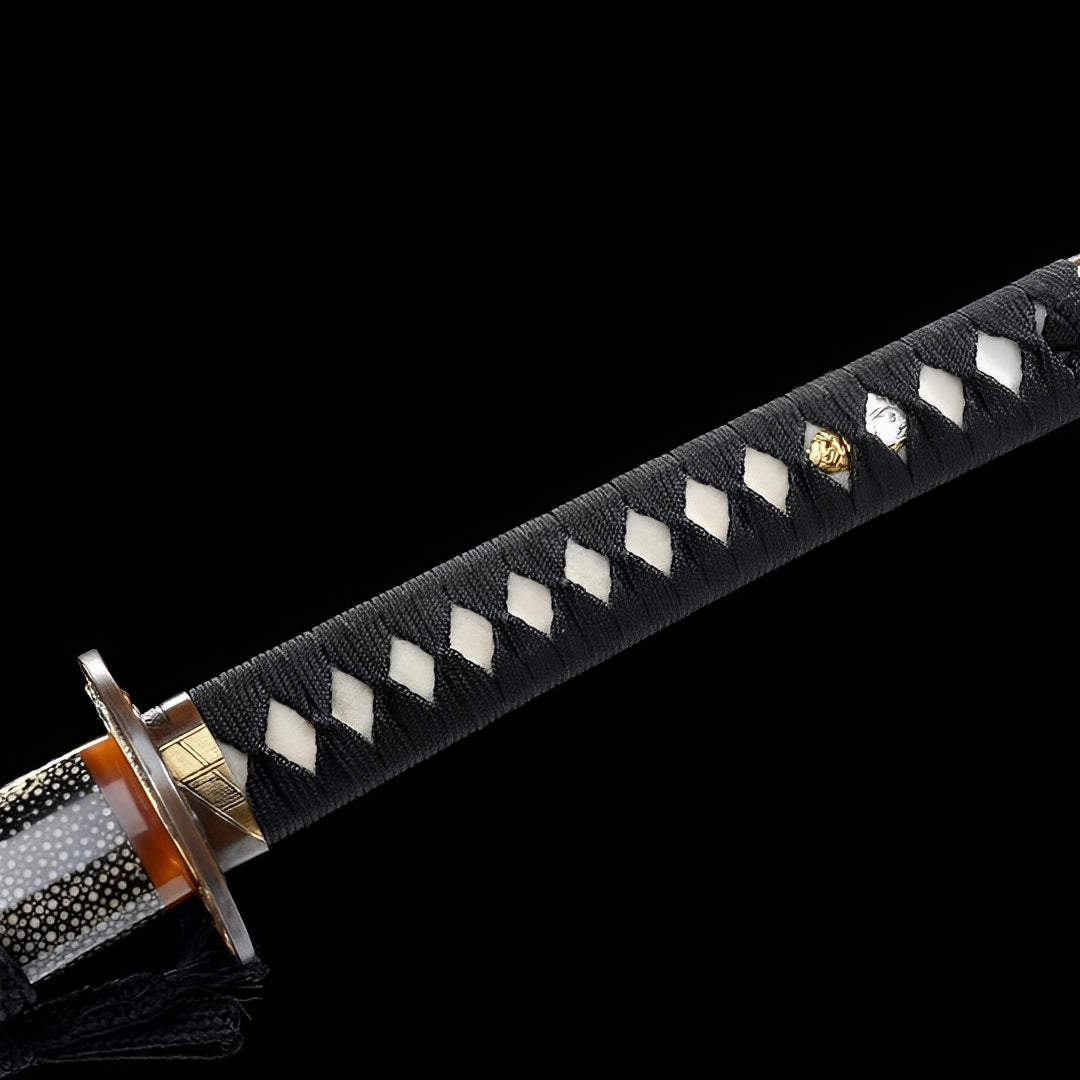
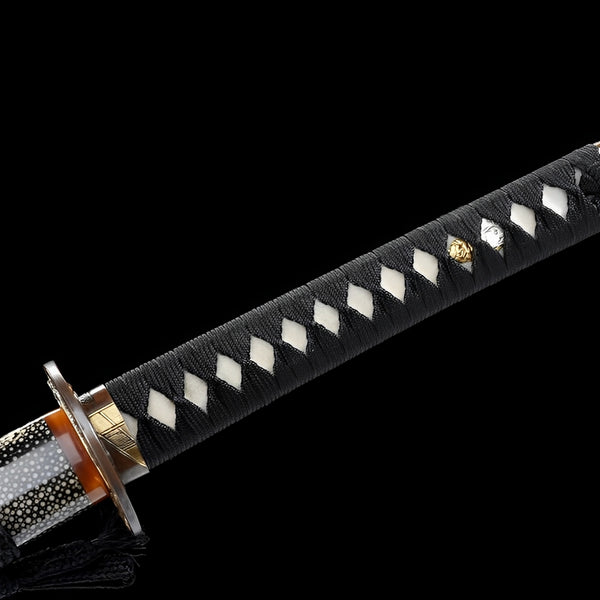
Same and tsuka-ito (handle): Genuine ray skin (same) beneath tightly wrapped silk, leather, or cotton cord (tsuka-ito). The ray skin provides a textured non-slip surface under the wrapping, a feature found on authentic Japanese swords but omitted on lower-priced models that use synthetic alternatives.
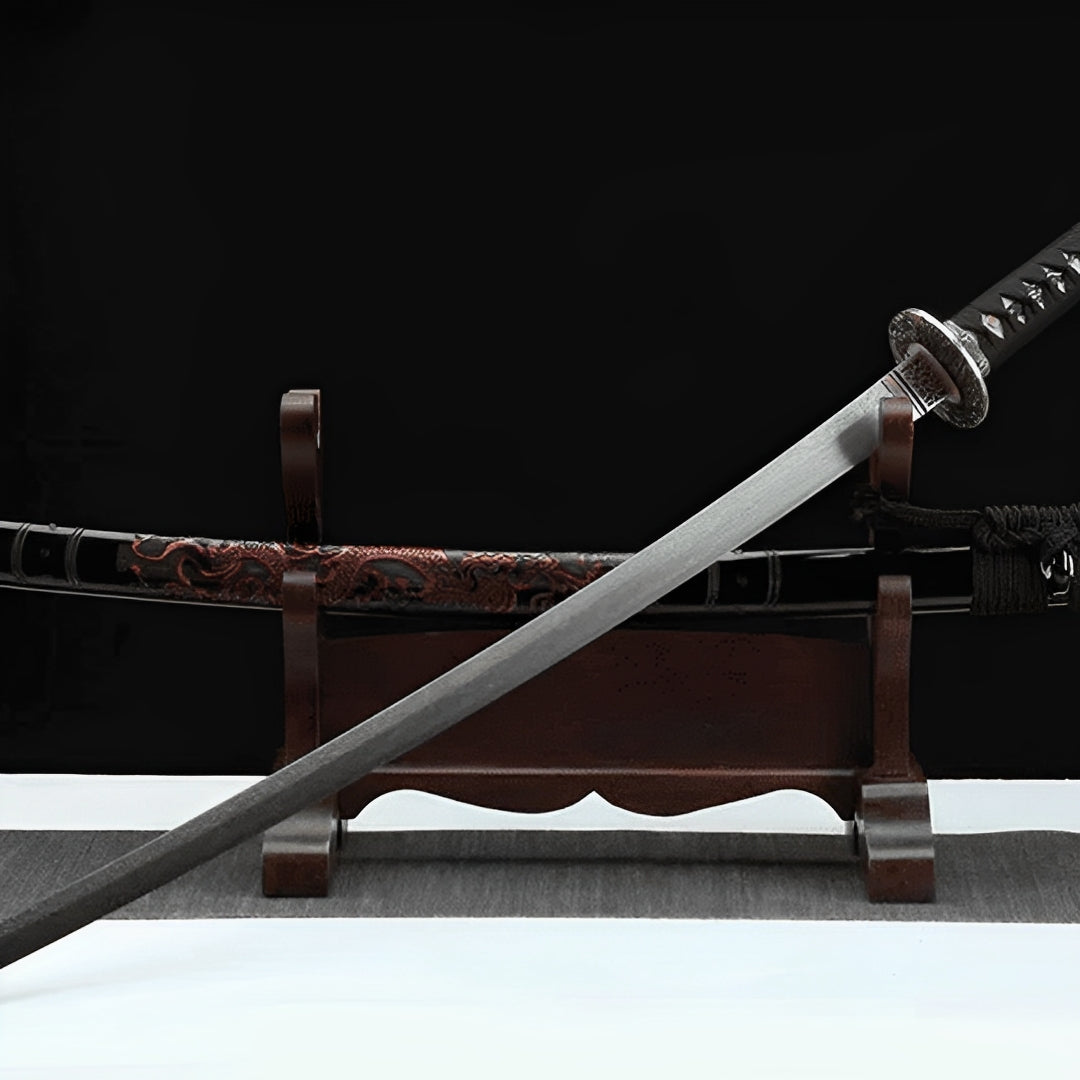
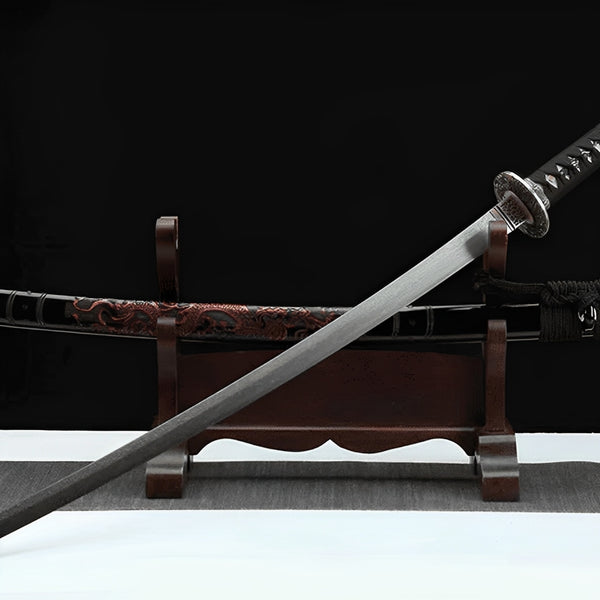
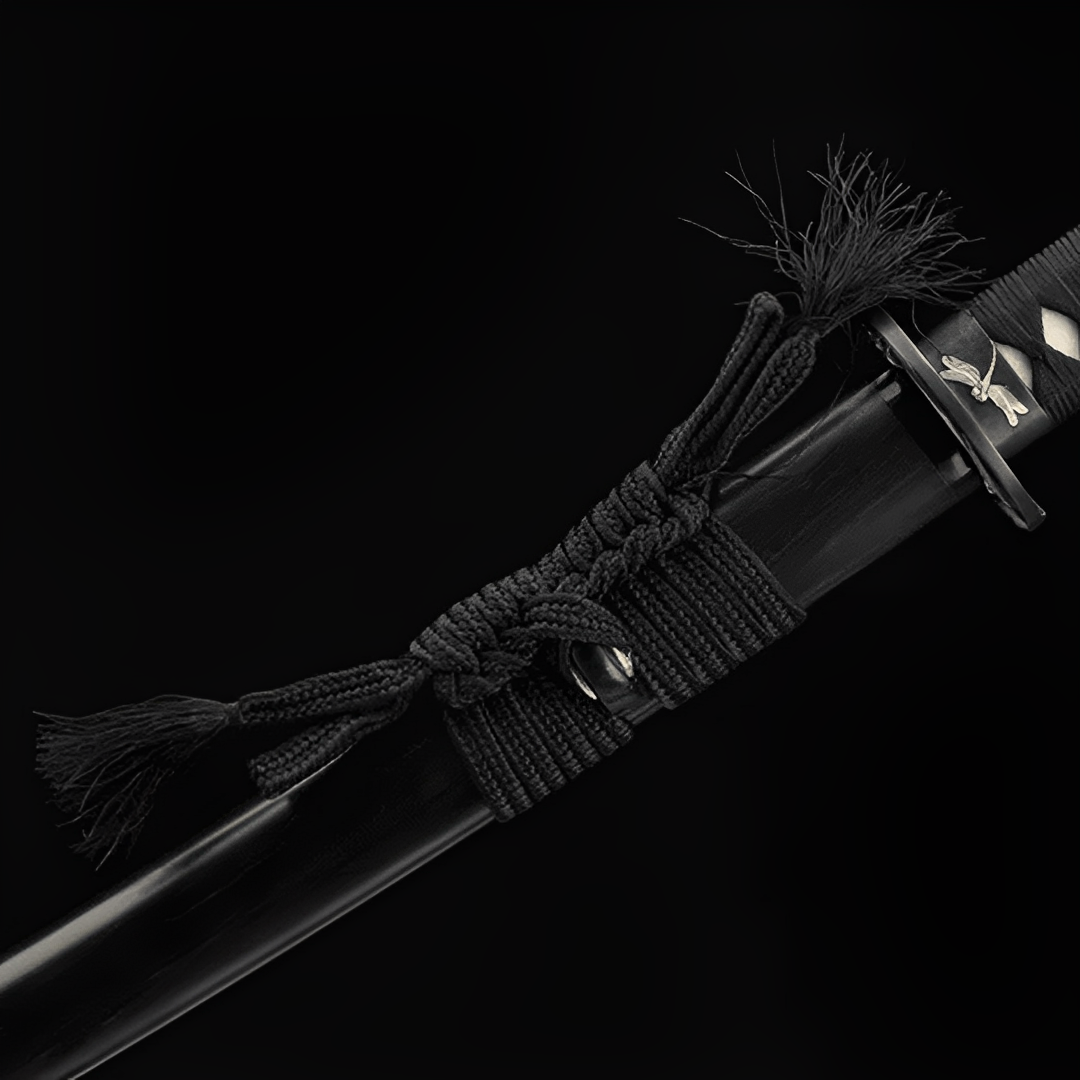
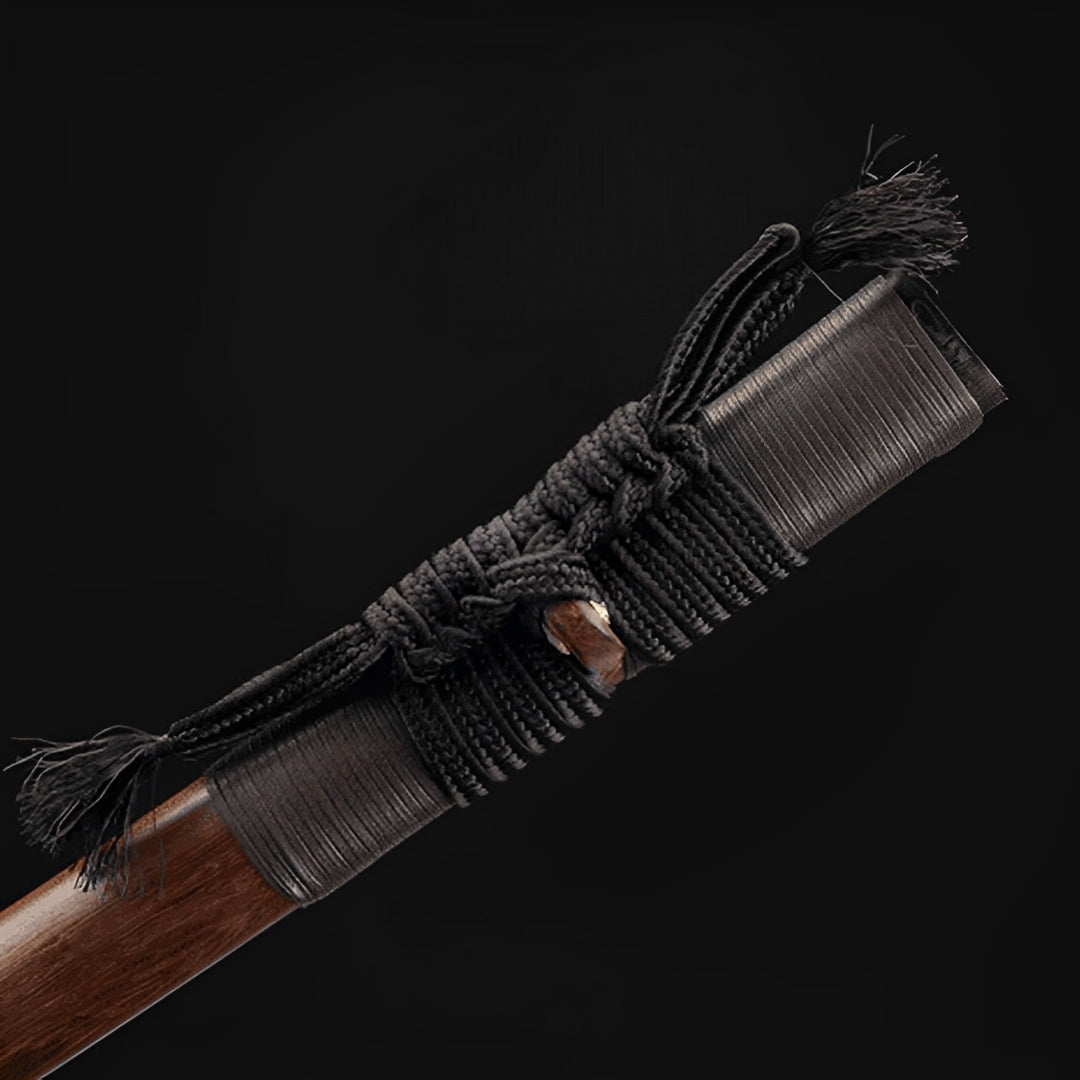
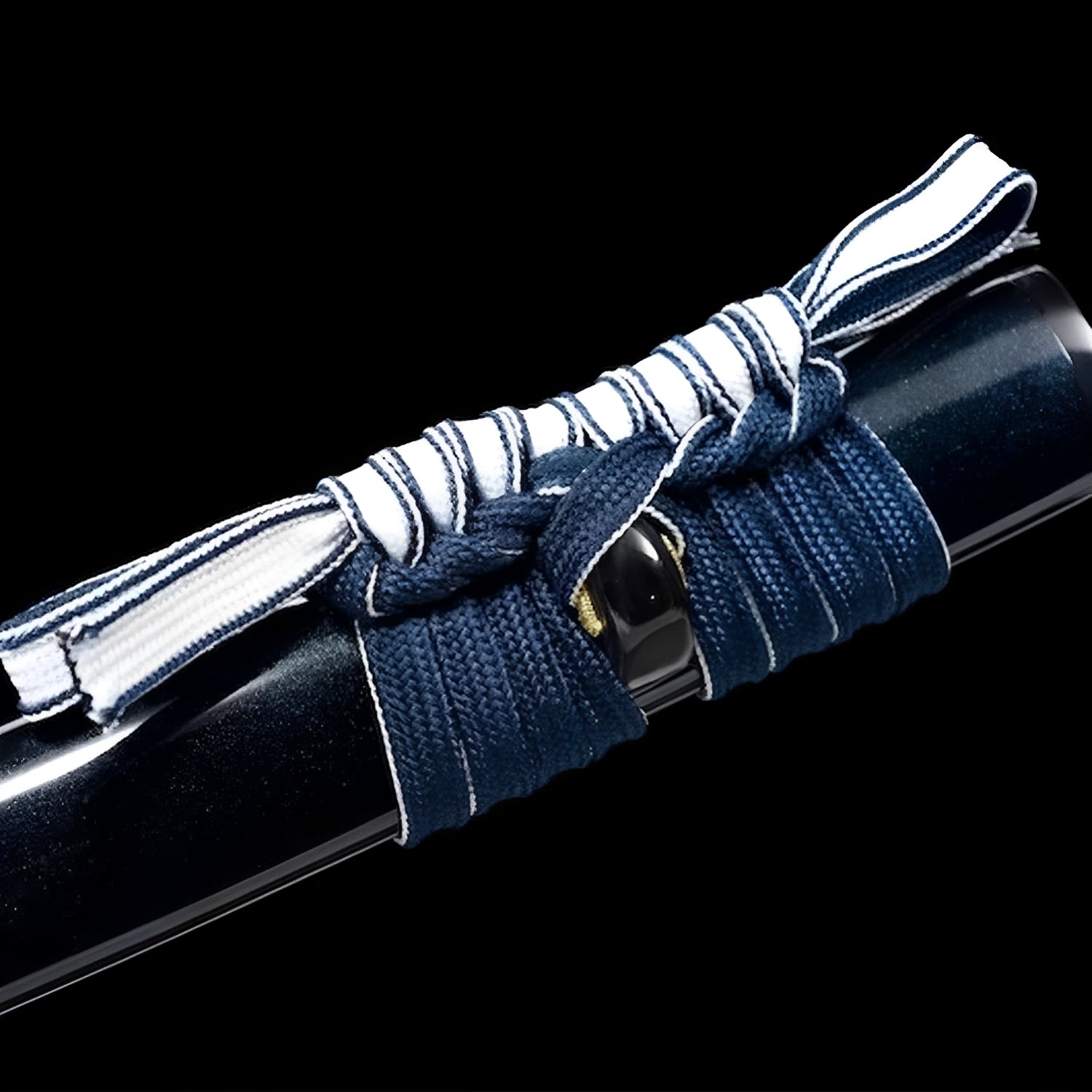
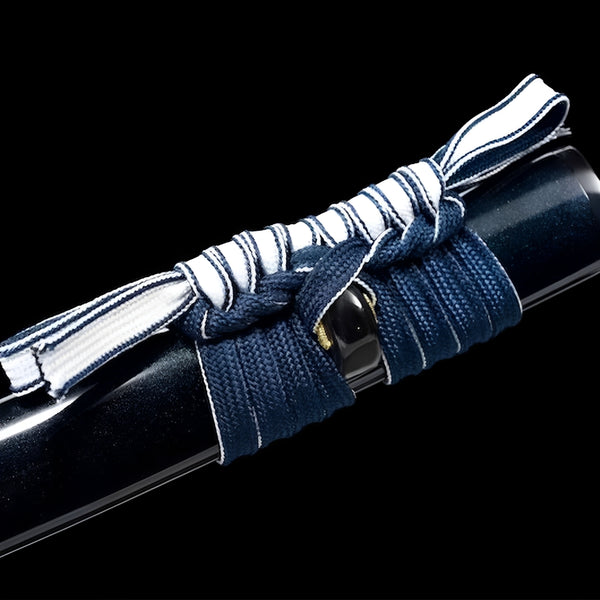
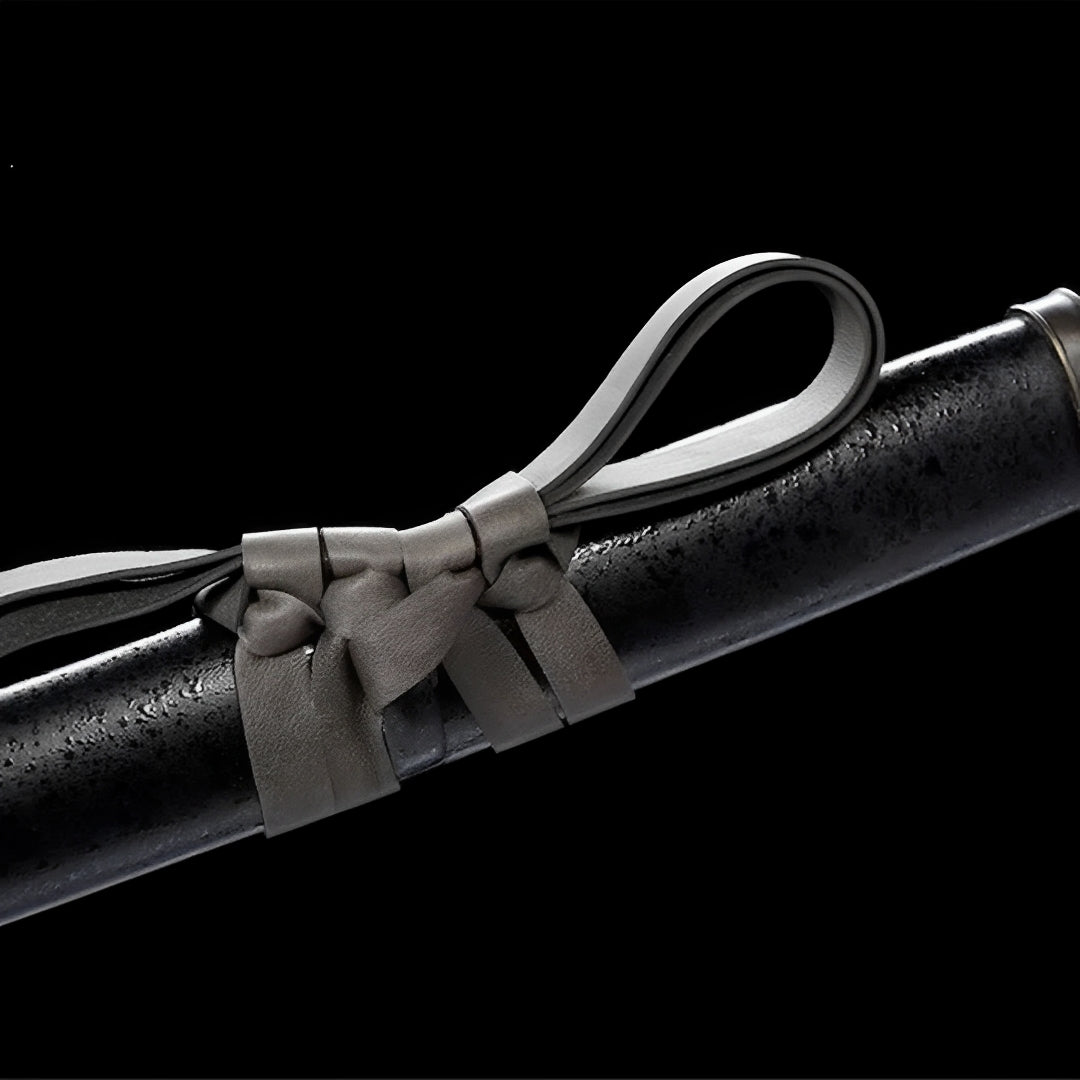
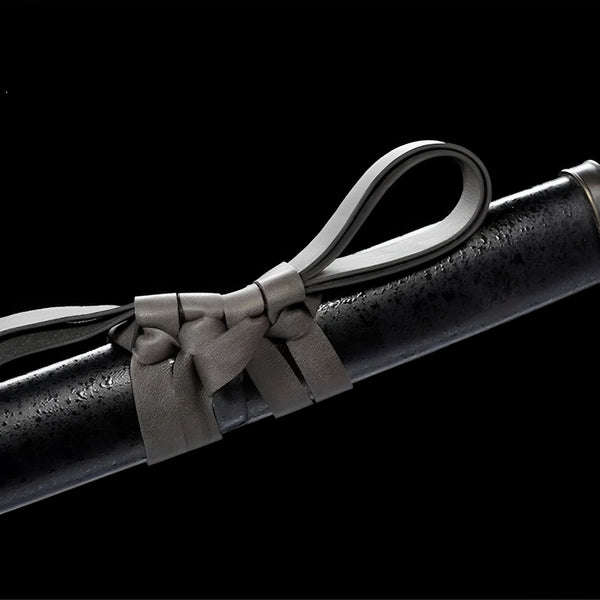
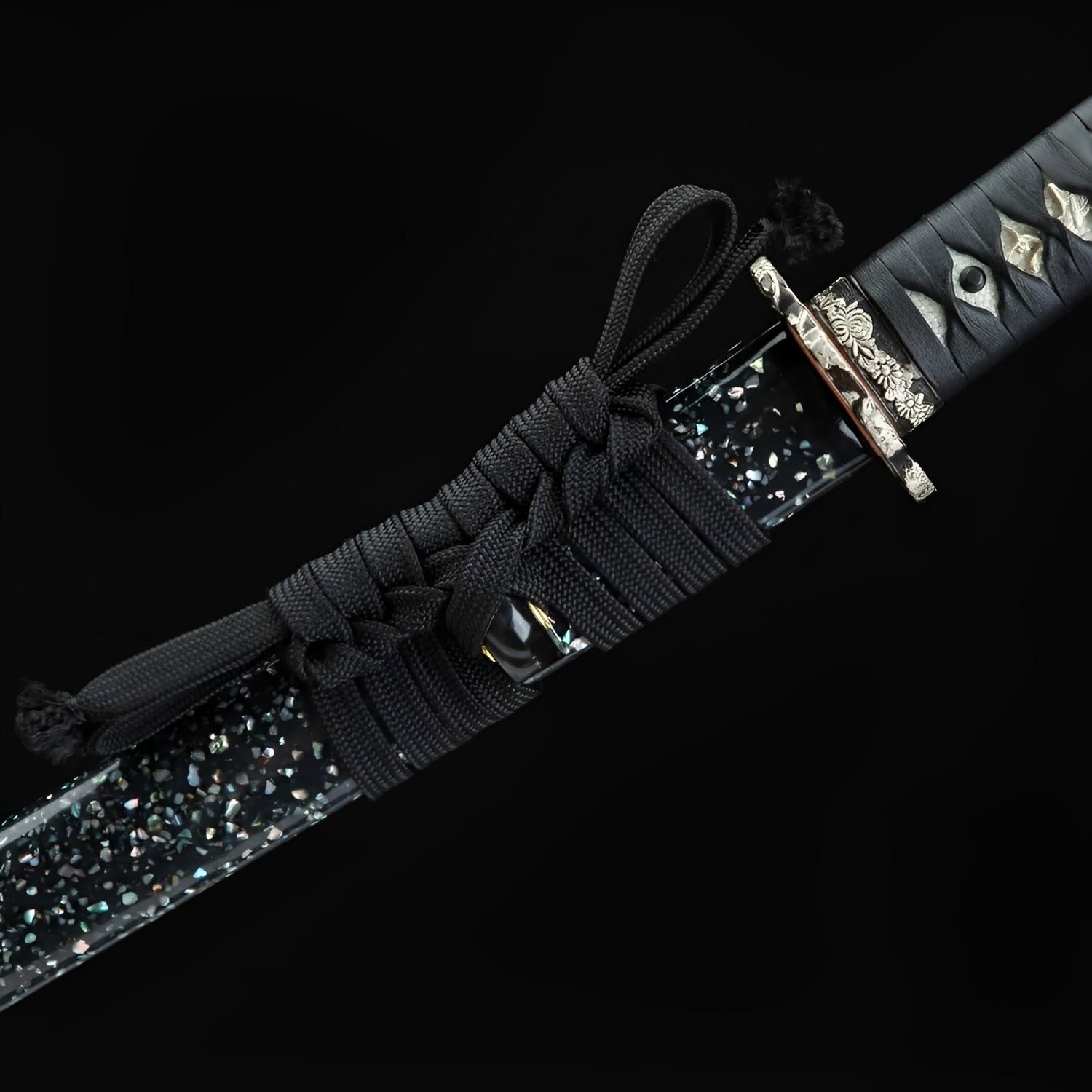
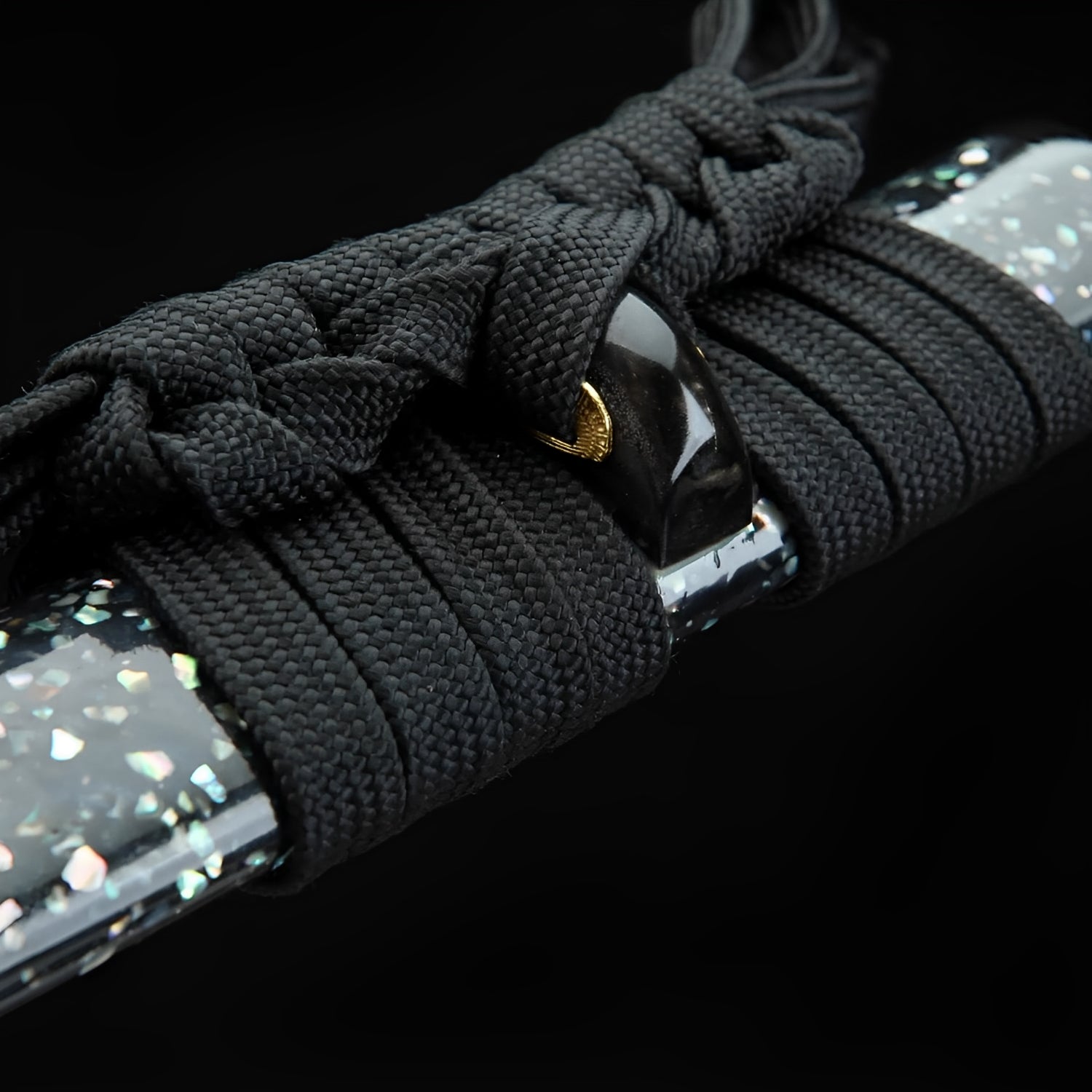
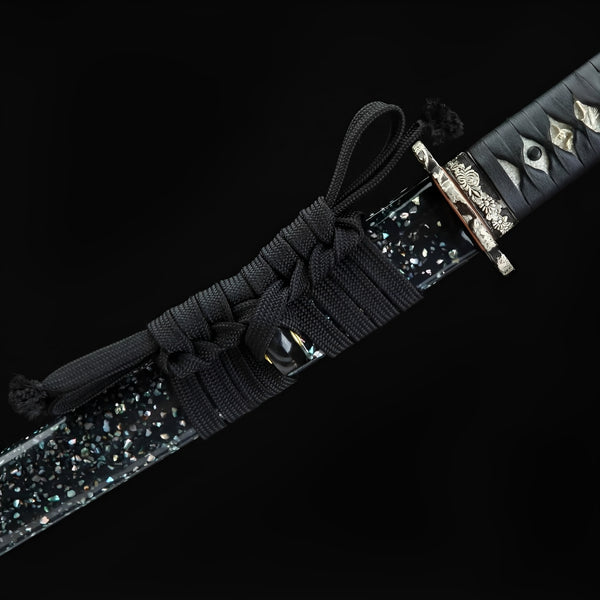
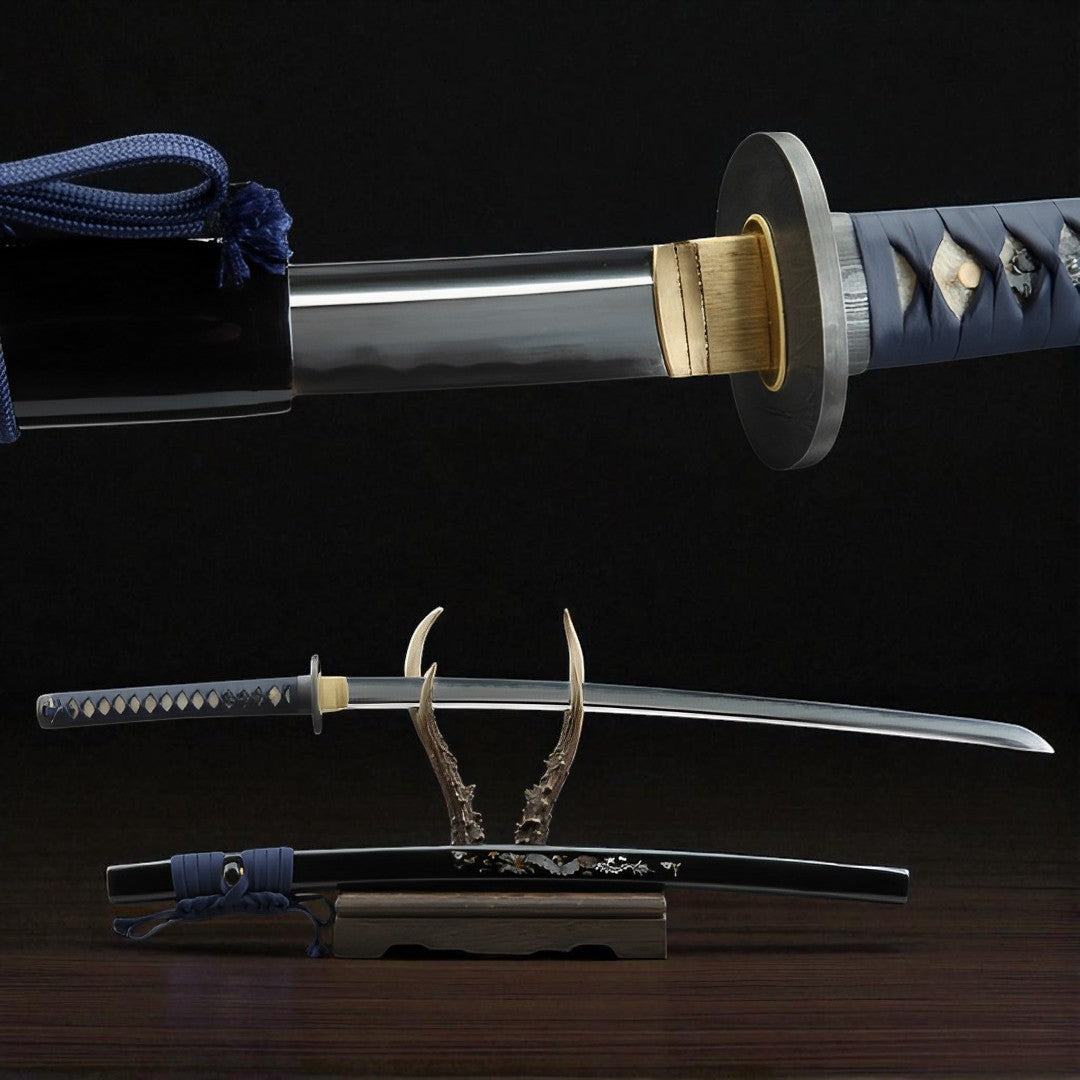
Saya (scabbard): Hardwood scabbards with hand-applied lacquer, painted motifs, carved texture, or natural wood grain finishes. Each saya is fitted to its specific blade — the friction between blade and scabbard mouth should hold the sword securely without a locking mechanism, just as traditional Japanese swords were designed.
Every sword in this collection is fully disassemblable using bamboo mekugi pegs, allowing you to inspect and appreciate the nakago (tang), the hidden portion of the blade that carries the full-tang construction through the handle. To learn more about every component, explore our complete guide to katana parts.
Who should choose a high end katana?
Collectors looking for display pieces with museum-quality fit and finish — swords where the blade grain, hamon pattern, and fittings reward close inspection and improve with age.
Martial artists who practice tameshigiri (test cutting) and need a functional blade with superior edge retention, proper balance, and construction that withstands repeated use.
Gift buyers searching for a meaningful, once-in-a-lifetime piece — every sword ships with a display stand, silk bag, and $20 gift card, ready for presentation.
Enthusiasts who have owned an entry or mid-range katana and are ready to experience the tangible difference that premium steel, genuine hamon, and hand-finished fittings deliver.
If you're new to Japanese swords and want guidance before investing at this level, our easy katana guide covers everything from choosing the right steel to understanding blade construction and forge types. Our team is also available by email at support@katana-corp.com or by text at +1 512-399-4440.
Every high end katana ships with free U.S. delivery, a 30-day money-back guarantee, and is carefully inspected before leaving our workshop.