

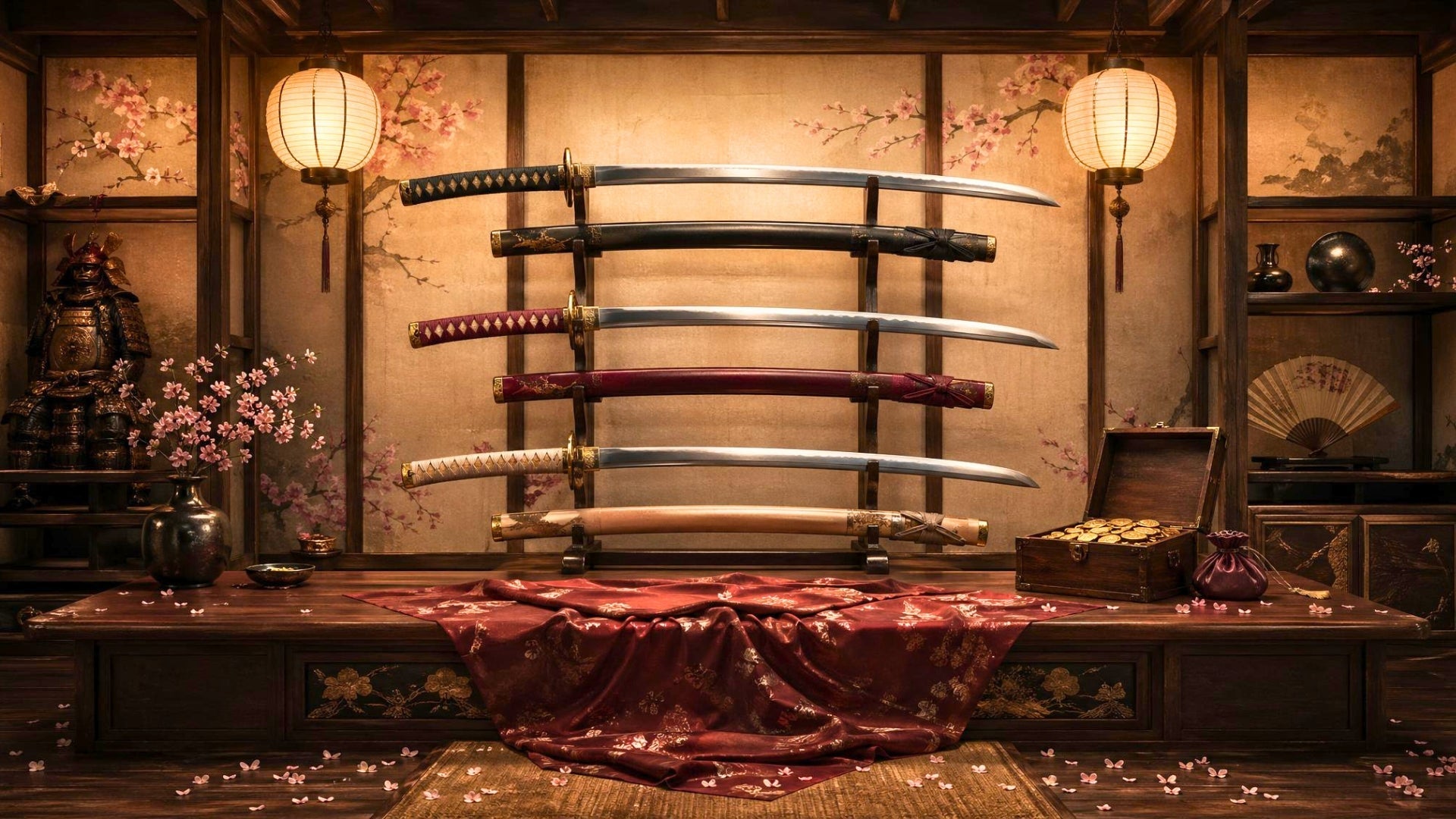
Looking to buy a real katana, not just a decorative replica? Discover where to find authentic samurai swords, how to spot fakes, and the best places to buy, online and offline.
- Why Buying a Real Katana Requires Research
- The Three Main Types of Katana Sellers
- Where to Buy Online: Trusted Sites for Real Katanas
- Buying In Person: Physical Locations That Sell Real Katana
- How to Avoid Scams and Fakes
- Online vs In-Person: Pros and Cons
- Are You Looking for a Functional or Collectible Katana?
- Legal and Export Considerations
- What to Know About Custom Katanas
- How to Care for Your Katana After Purchase
- What Makes a Dealer Truly Reputable?
- How Culture and Collecting Influence the Katana Market
- Understanding Katana Resale Value
- Tips for First-Time Buyers
- Bonus: Katana Price Expectations by Country
- FAQ: Buying a Real Katana
Why Buying a Real Katana Requires Research
With the rise in popularity of Japanese culture, martial arts, and sword collecting, many people want to own a real katana. But the word "real" is often misused. If you're not careful, you could end up with an overpriced wall-hanger instead of a functional, historically rooted blade.
A real katana is:
Hand-forged from high-carbon or tamahagane steel
Fully functional with a sharpened edge
Constructed with traditional components: tsuka, tsuba, full tang, hamon, and saya
Made using techniques that honor Japanese swordsmithing history

The Three Main Types of Katana Sellers
1. Mass Market Online Retailers
Examples: Amazon, eBay, AliExpress
Range: $50-$500
Mostly decorative or budget functional swords
Risk of poor quality, fakes, or false claims
Pros:
Affordable
Fast delivery
Cons:
High percentage of replicas
Often misleading descriptions
Best for: Beginners who want to test the waters, but with extreme caution.
2. Specialized Online Katana Shops
Examples: Katana-corp.com
Range: $300-$5,000+
Wide variety of functional and decorative swords
Better transparency, specs, and return policies
What to look for:
Steel type (e.g., 1060, 1095, T10, tamahagane)
Full tang construction
Real hamon (not etched)
Details about the forging process

3. Traditional Japanese Swordsmiths (Licensed)
Range: $5,000-$50,000+
Handcrafted nihonto by certified smiths in Japan
Often require waitlists and paperwork for export
Pros:
100% authenticity
NBTHK/NTHK certified blades
Cultural value
Cons:
Long delivery time
High cost
Best for: Collectors, martial artists, museums, or those seeking a historical heirloom.
Real Katanas, Direct from the Forge
Hand-forged blades with full transparency on materials, construction, and provenance.


Where to Buy Online: Trusted Sites for Real Katanas
Here are some top-rated sources where you can buy a functional katana with confidence:
Katana-Corp.com (Recommended for USA & EU)
High-quality katanas with excellent specs and artisan craftsmanship
Transparent about forging methods
Ships worldwide
Swords of Northshire
Katanas made in Longquan, China, inspired by Japanese sword designs
Fully customizable
Good entry-to-mid-level options
Tozando (Japan)
Trusted supplier of iaidō and kendō gear
Offers entry-level and traditional nihonto
Licensed exportation of Japanese swords
Aoi-Art (Japan)
Premier source for antique and shinsakutō (newly forged swords)
Offers full certifications

Buying In Person: Physical Locations That Sell Real Katana
If you prefer handling a blade before purchasing, these are the best places:
Japan (Kyoto, Tokyo, Seki City)
Museums, workshops, and sword exhibitions
Must buy from registered sellers for export
United States (Sword shows, martial arts suppliers)
Look for NBTHK certified sellers
Sword Expos (e.g., San Francisco Token Kai)
Europe (France, Germany, UK)
Antique arms fairs
High-end Japanese art dealers

How to Avoid Scams and Fakes
Buying online or abroad can be risky if you don’t know what to look for.
Red flags include:
No information about the blade’s steel or construction
Etched hamon instead of a real one
No photos of nakago (tang)
Unrealistically low prices
Sites that use only stock photos or no contact info
What to demand:
Clear photos of the blade, tang, and fittings
Steel type and forging method
Seller background and reviews
Online vs. In-Person: Pros and Cons
| Method | Pros | Cons |
|---|---|---|
| Online | Wide selection, detailed specs, reviews | No tactile feel, risk of misleading info |
| In-person | Inspect sword physically, talk to seller | Limited options, usually more expensive |
Are You Looking for a Functional or Collectible Katana?
Make sure you know why you want a katana before buying. It affects where and how you should shop.
For Training (Iaidō, Battōdō, Kenjutsu):
Look for a sharp blade with great balance (1060 or 1095 steel)
Reputable online stores or martial arts suppliers are ideal
For Display:
You may choose a decorative blade, but get one that’s at least forged with real materials
For Collecting or Investment:
Only certified nihonto with NBTHK/NTHK papers will appreciate in value

Legal and Export Considerations
Buying a real katana internationally may involve:
Export permits from Japan (for nihonto)
Customs duties in your country
Restrictions on blade length or sharpened edges
Always check:
If your country allows katana import
What kind of documentation is required
What to Know About Custom Katanas
For some buyers, an off-the-shelf katana isn’t enough. Custom katanas allow you to tailor the sword to your preferences in terms of size, weight, fittings, and aesthetics.
Common customizations include:
Blade length (nagasa)
Tsuka wrapping color and material
Tsuba shape and style
Choice of hamon pattern
Some online shops like Swords of Northshire or HanBon Forge offer affordable custom services, while others such as modern smiths in Japan produce one-of-a-kind works of art.
Ideal for: Martial artists with specific preferences, or collectors seeking uniqueness.
How to Care for Your Katana After Purchase
Buying your katana is only the first step, caring for it ensures its beauty and integrity for years to come.
Basic katana maintenance checklist:
Clean the blade after each use with uchiko powder and a soft cloth
Lightly oil the blade to prevent rust (e.g., with choji oil)
Store it in a dry place in its saya
Avoid excessive handling without gloves
Long-term neglect can lead to blade corrosion, loosened fittings, or even irreversible damage.
Tip: Even display swords benefit from periodic cleaning.
What Makes a Dealer Truly Reputable?
When investing in a real katana, the seller’s reputation is just as important as the blade’s specs. Here's what sets apart top-tier dealers:
Transparency about blade origin, forging, and certifications
Professional customer service with martial arts knowledge
Real photos or videos of blades, not just stock images
Return policies and warranty
Ongoing customer support for care, maintenance, or upgrades
A reputable dealer also welcomes questions and can speak to both the art and function of the sword.
How Culture and Collecting Influence the Katana Market
Over the past 20 years, the katana market has shifted dramatically. What was once a purely martial item has become a symbol of:
Cultural identity for Japanese and global enthusiasts
Aesthetic appreciation of craftsmanship and metallurgy
Prestige among collectors of historical or custom weapons
This cultural dimension adds value and complexity to pricing, demand, and regional availability. Modern buyers often come from diverse backgrounds, from anime fans to high-level martial artists, historians, and investors.
Understanding Katana Resale Value
Not all katanas hold their value equally. If resale is on your mind, here’s what helps:
Certification from NBTHK or similar body
Renowned smith or forge origin
Blade condition (polish, geometry, mounting)
Historical or cultural significance
Matching koshirae and original documents
Unlike most consumer products, a quality katana can appreciate in value over time, especially with proper care and documentation.
Tips for First-Time Buyers
Set a budget: You don’t need $10,000 for a good blade, but avoid going too cheap.
Read reviews: Forums like r/SWORDS or Sword Buyers Guide offer real user feedback.
Ask for video proof: Legit sellers often provide cutting tests or forging clips.
Understand what you're buying: Decorative ≠ functional ≠ traditional.
Avoid impulse purchases: A katana is more than just a product, it's a statement.

Bonus: Katana Price Expectations by Country
| Country | Average Starting Price | Authenticity Risk | Shipping/Customs |
| Japan | $4,000+ (Nihonto) | ✅ Very Low | ⚠️ High paperwork |
| China | $250+ | ⚠️ Medium | ✅ Easy export |
| USA | $600+ | ✅ Medium-Low | ✅ Local shipping |
| Europe | $800+ | ✅ Medium-Low | ✅ Moderate |
FAQ: Buying a Real Katana
Is it legal to own a katana?
In most countries, yes, with some regulations. Check local laws regarding blade length and storage.
Can I travel with a katana?
Only with proper documentation. Never bring one in carry-on luggage.
What's the safest budget for a real katana?
$300-$800 is a good range for a functional beginner's blade.
Is it better to buy from Japan or locally?
Japan offers heritage and certification. Locally may save time and cost.
Are all tamahagane swords expensive?
Yes, because the steel is rare and forging takes months.
How do I know a seller is legit?
Look for transparency, photos, certifications, and community reputation.
For concrete examples of the details to check, Royal Shinto lists 1060 steel and two bo-hi grooves, while the Gold Katana lists 1095 steel with a gold-toned finish. Read the specifications alongside the close-up photos.
Buying with Clarity and Confidence
Buying a real katana is a journey - one that blends passion, patience, and precision. Whether you're a martial artist, collector, or enthusiast, the key is to educate yourself and avoid shortcuts.
Choose sellers who are transparent, swords that are crafted with care, and a piece that matches your purpose. In doing so, you don't just buy a blade - you honor centuries of samurai spirit.
You're in the Right Place
No middlemen, no sketchy listings - just real katanas, shipped directly from our workshop.
Share:
How Much Does a Real Katana Cost?
Wakizashi vs Katana: Two Blades, One Samurai Soul