


Famous Japanese Swordsmiths: From Masamune to Modern Masters
From Masamune's lost masterpiece to the 300 licensed smiths still forging today - the story of Japanese swordsmithing told through the masters who defined it. Gokaden traditions, cursed Muramasa blades, and Living National Treasures.
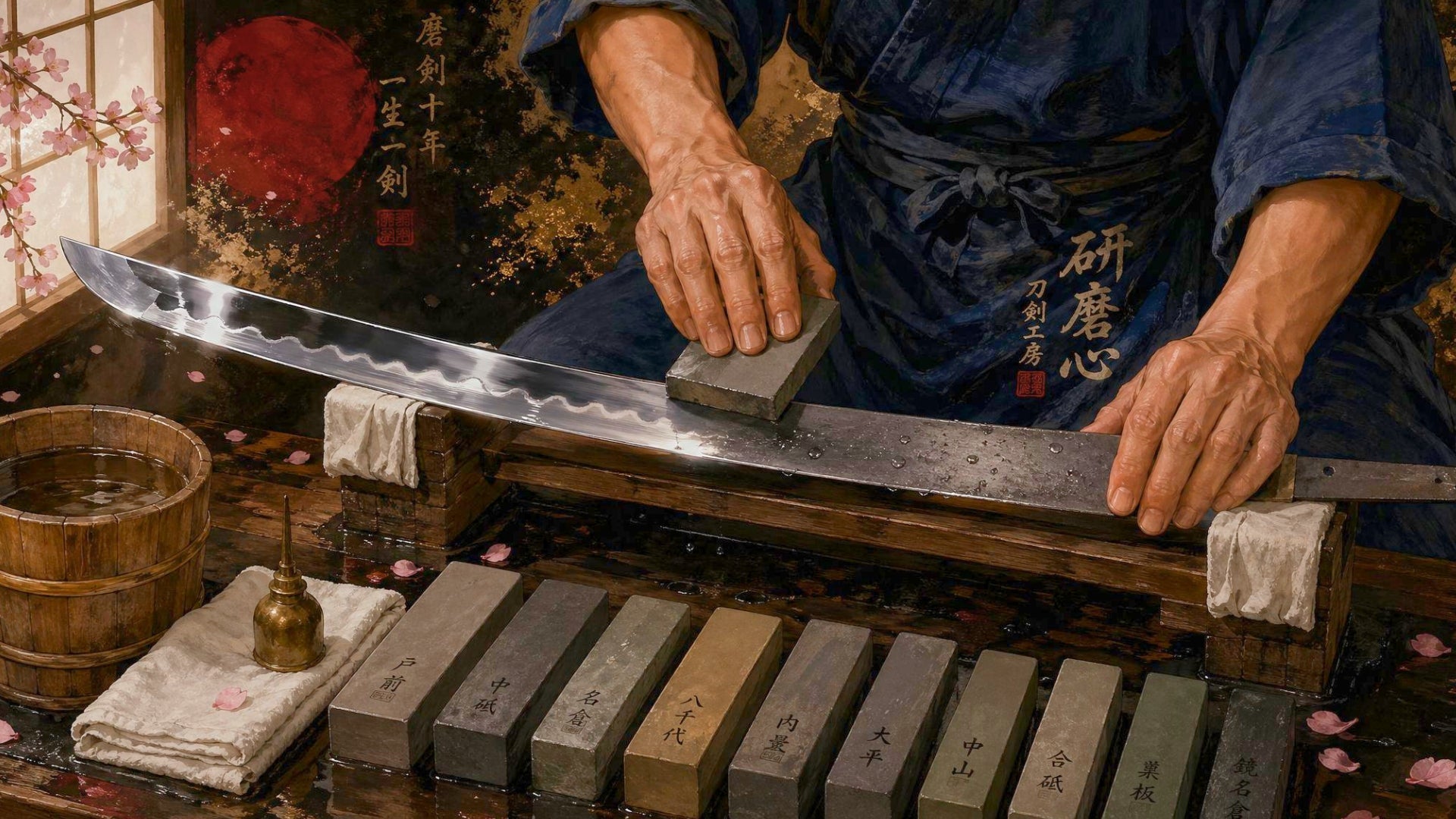
Japanese Sword Polishing: The Art of the Togishi
A togishi doesn't make a katana shiny - he reveals its soul. Discover the ancient art of Japanese sword polishing: 14 stages, 300 hours of hand labor, and the stones that make a hamon visible.
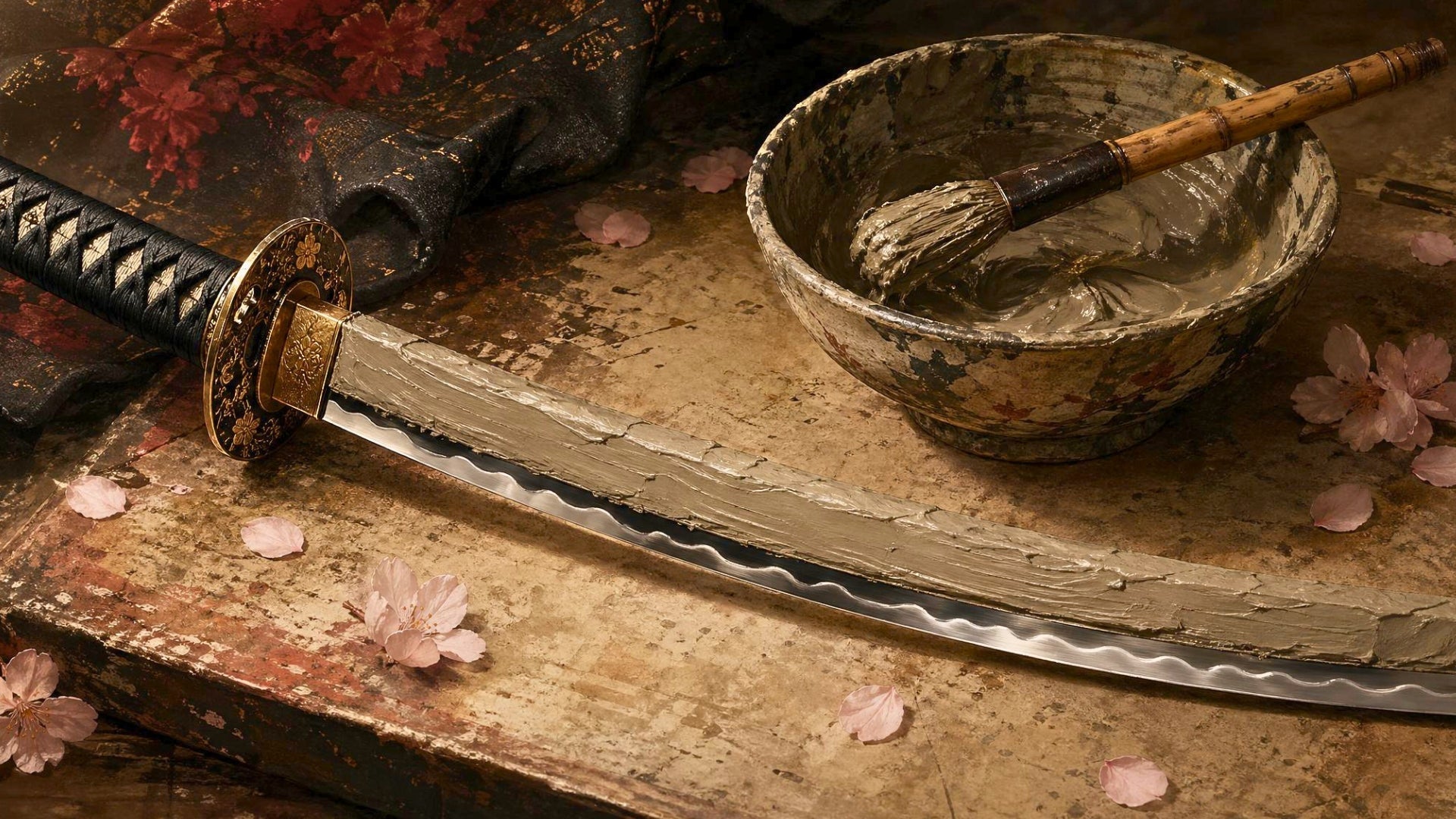
Clay Tempered Katana: What It Is & Why Collectors Love It
Clay tempering isn't marketing - it's a 1,000-year-old process that gives a blade two hardness zones, a real hamon, and a natural curve. This guide explains what it means, how to verify it's real, and whether the price premium is justified.
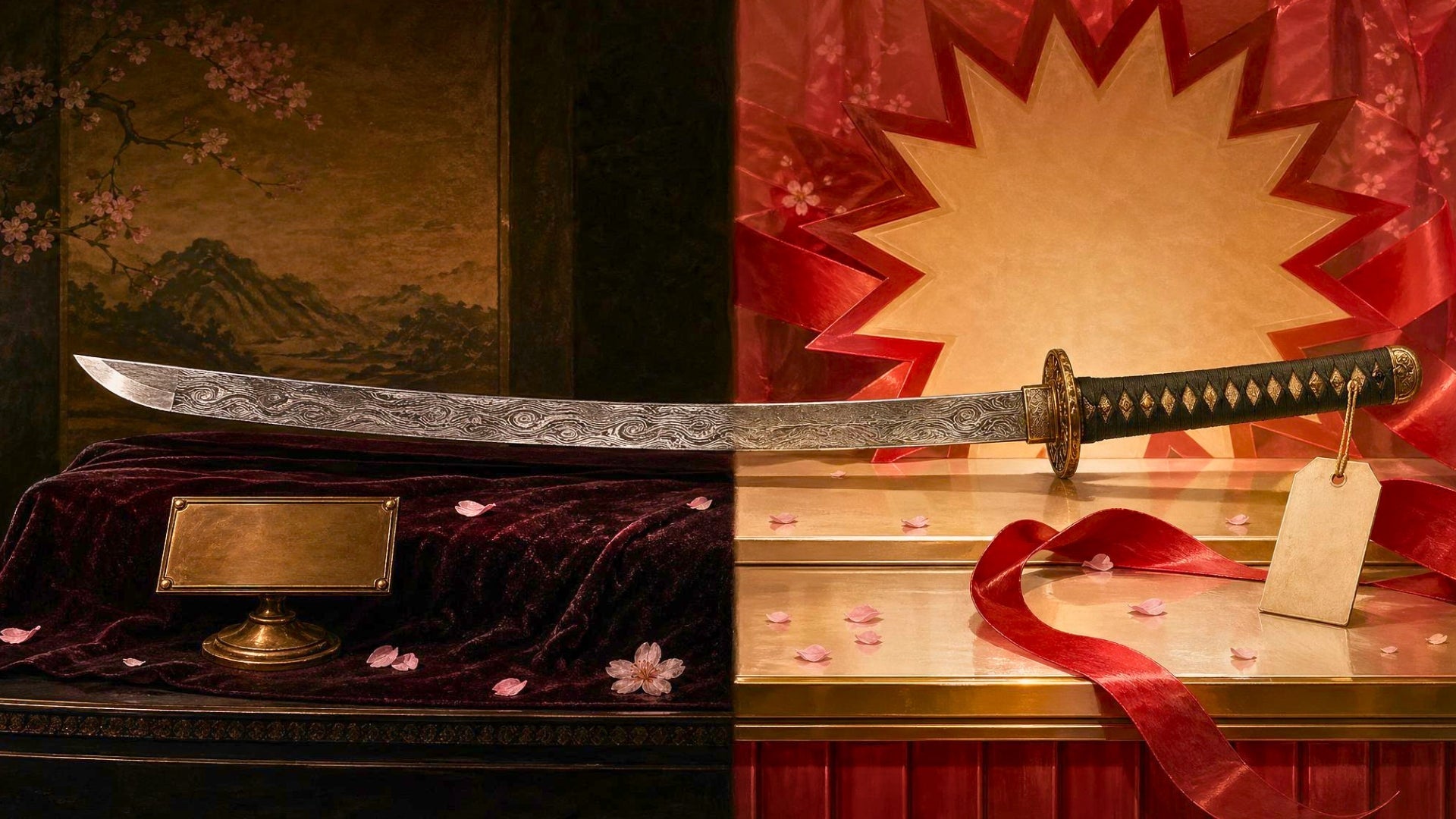
Damascus Steel Katana: Beautiful Art or Marketing Hype?
The Damascus pattern is stunning. But does it cut better? This guide separates ancient Wootz from modern pattern-welding, real from fake, art from hype, so you know exactly what you're paying for.

Why Are Katanas Curved? The Science Behind the Sori
The katana starts out straight. The curve happens in five seconds during quenching - martensite expansion at the edge, pearlite at the spine. This guide explains the science, the advantages, and the myths.
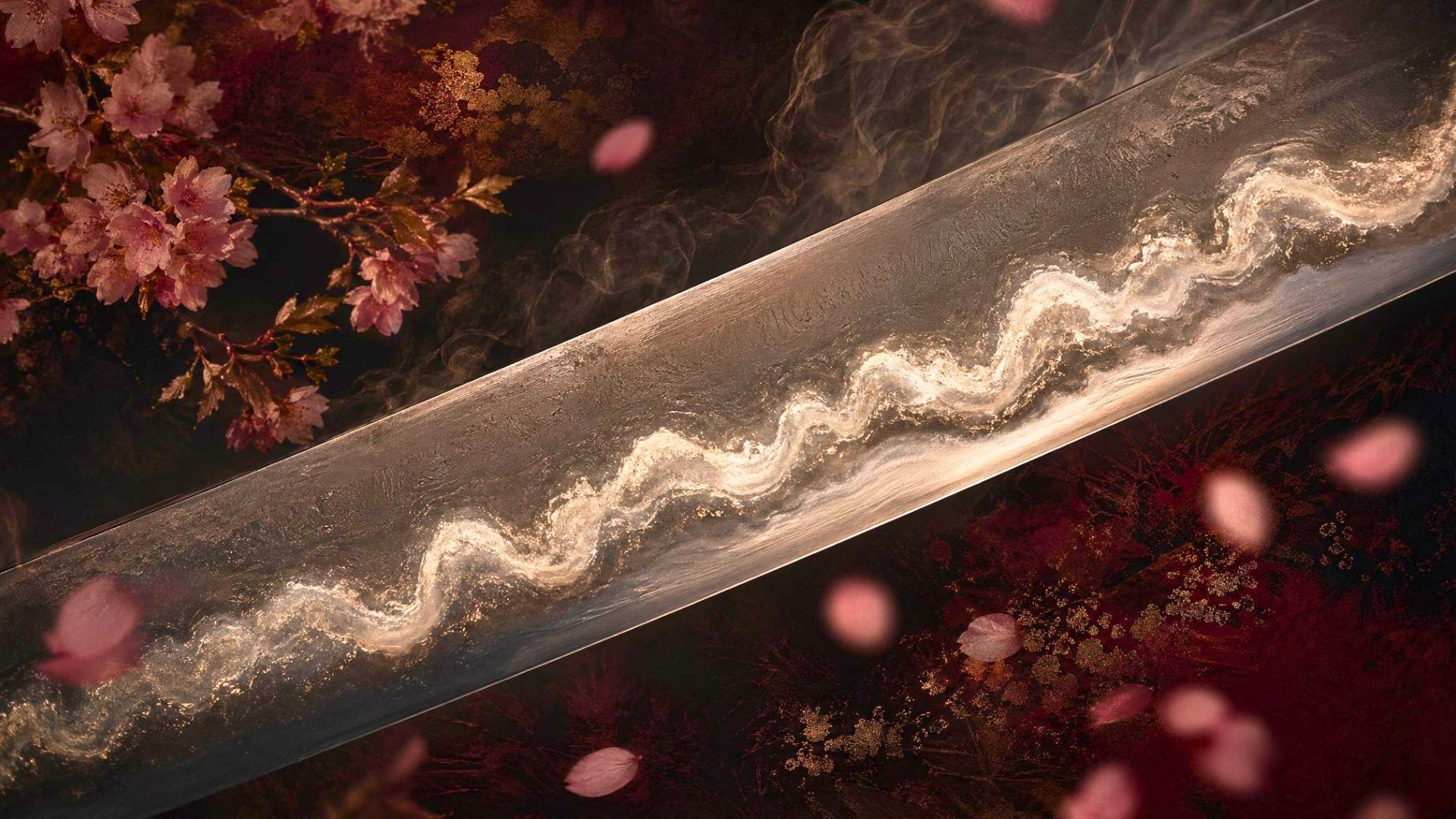
What Is a Hamon? The Science Behind a Katana's Temper Line
That misty line along a katana's edge isn't decoration - it's the boundary between two steel structures created by clay tempering. Learn the science, the art, and how to tell real from fake.
T10 Steel vs 1095 Carbon Steel: Best Katana Steel Compared
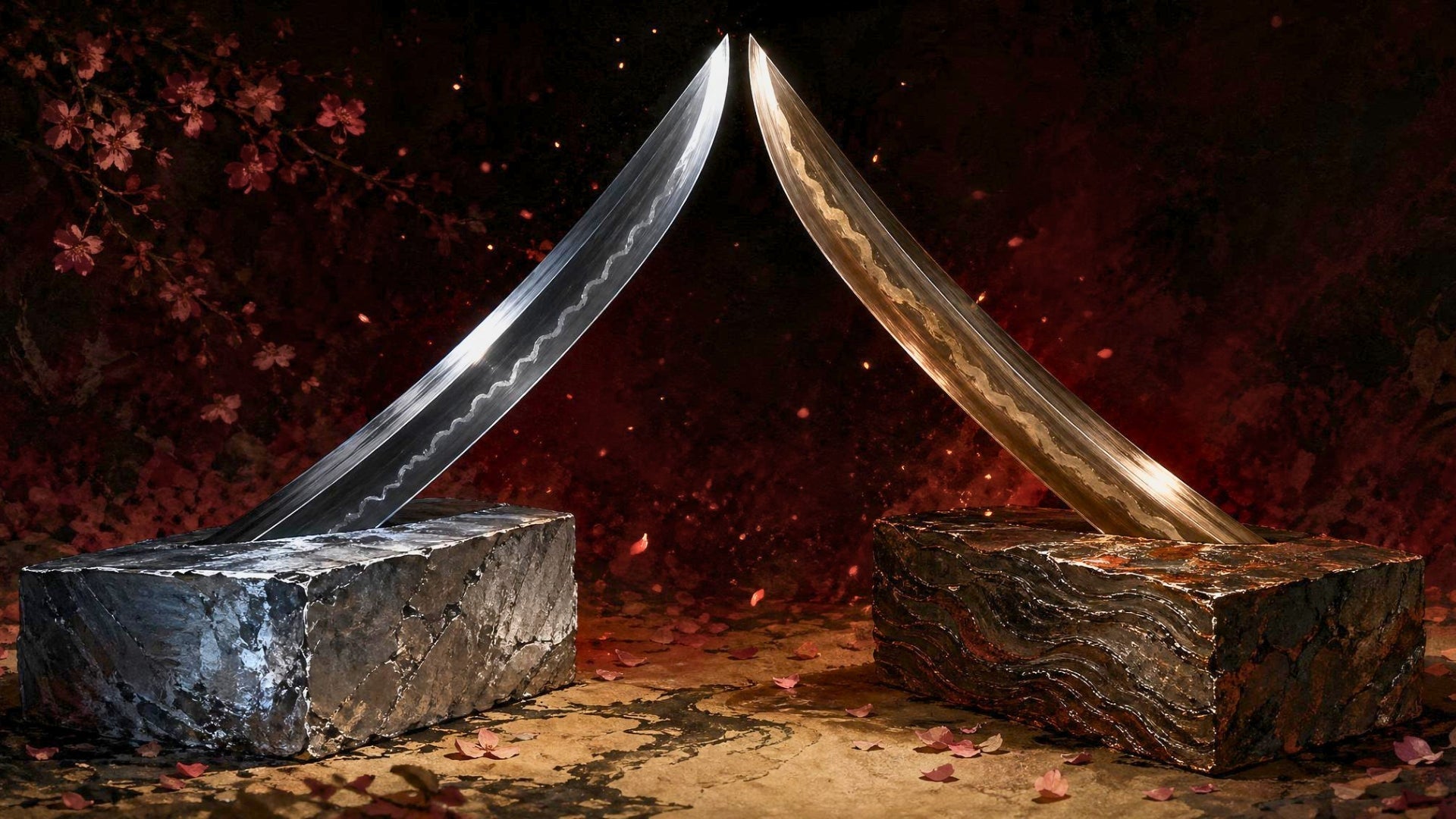
T10 and 1095 are the two most debated katana steels. This guide compares composition, hardness, toughness, hamon quality, maintenance, and price - with a clear verdict for each use case.
The Art of Katana Forging
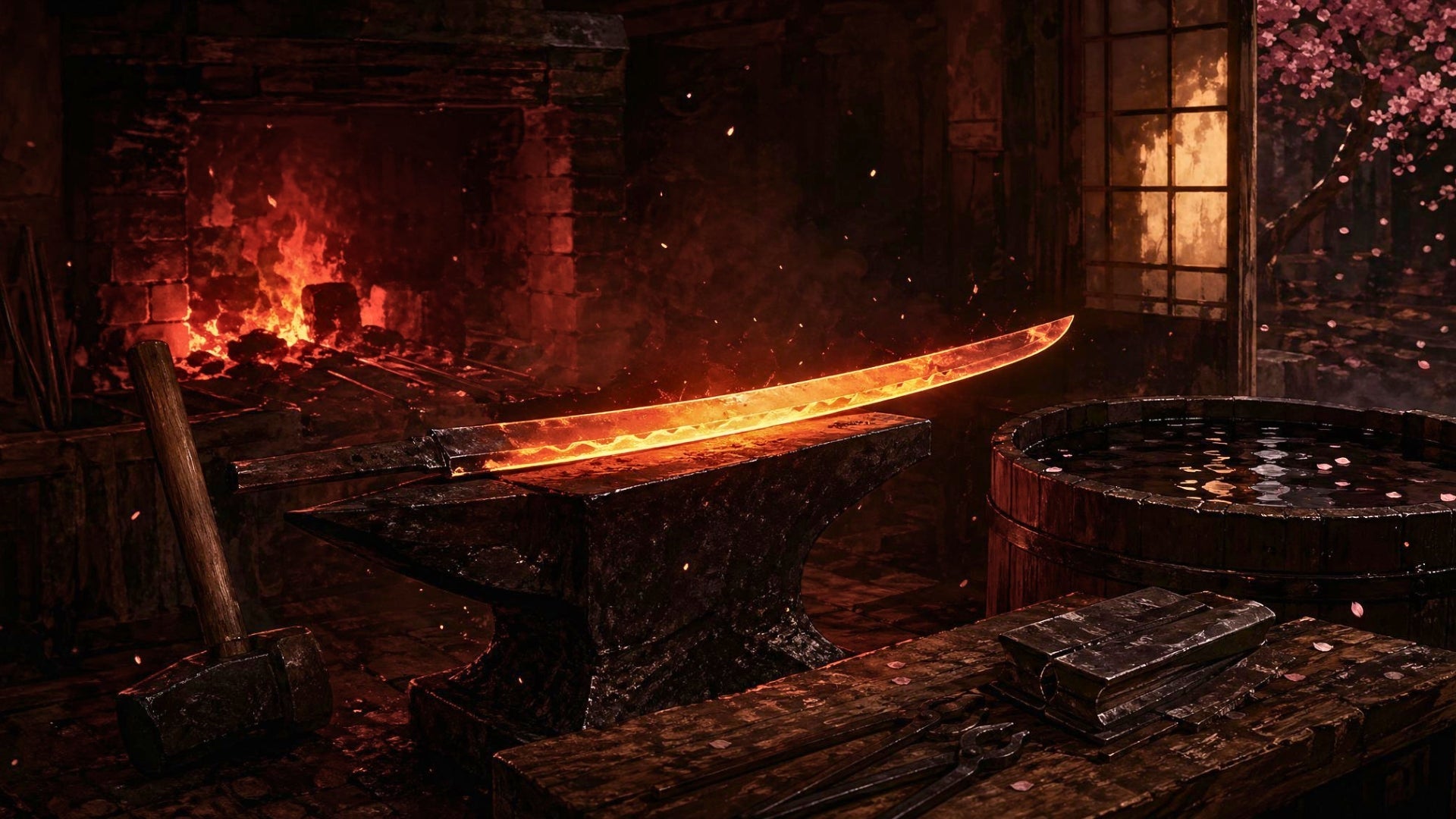
The katana is more than a sword, it's a cultural icon, a spiritual artifact, and the embodiment of centuries of Japanese craftsmanship. Behind every real katana lies an intense process rooted in tradition, precision, and ritual.