

Katana Blog

The 7 Virtues of Bushido: Samurai Code Explained
The samurai code wasn't written - it was lived. This guide breaks down all 7 Bushido virtues with kanji, historical context, and the deep connection between the code and the katana.
The 10 Most Iconic Katanas in Anime
Anime made millions of people care about katanas. This ranking celebrates the 10 blades that did it best, from Kenshin's mercy blade to Demon Slayer's ultimate weapon.

The Reverse Blade Katana: Kenshin's Sakabato - Fact or Fiction?
A katana with its sharp edge on the wrong side. Kenshin's sakabato is fiction's most brilliant sword concept, but an Edo-period discovery and a master smith's forge prove the idea isn't entirely imaginary.
Ichigo's Zangetsu Explained: Every Form of Bleach's Iconic Blade
The Old Man wasn't Zangetsu. The Hollow was. This guide traces every form of Ichigo's sword from the first cleaver to the reforged dual blades, and what each one reveals about Bleach's greatest twist.
Zoro's Swords Explained: Every Blade in One Piece
From Kuina's promise to Oden's legacy, every named blade Zoro has carried in One Piece, the sword grading system, the Kitetsu curse, and how these anime katanas connect to real swordsmithing.

Demon Slayer Swords: Every Nichirin Blade Color Explained
From Tanjiro's mysterious black blade to the ultimate red Nichirin, here's every sword color in Demon Slayer - what it means, who wields it, and how it connects to real Japanese swordsmithing.
Famous Samurai and Their Legendary Katanas: The Complete Guide
From Musashi's 60 undefeated duels to the missing Honjo Masamune, the cursed blades of Muramasa, and the demon-slaying Dōjigiri - the warriors and swords that made history.
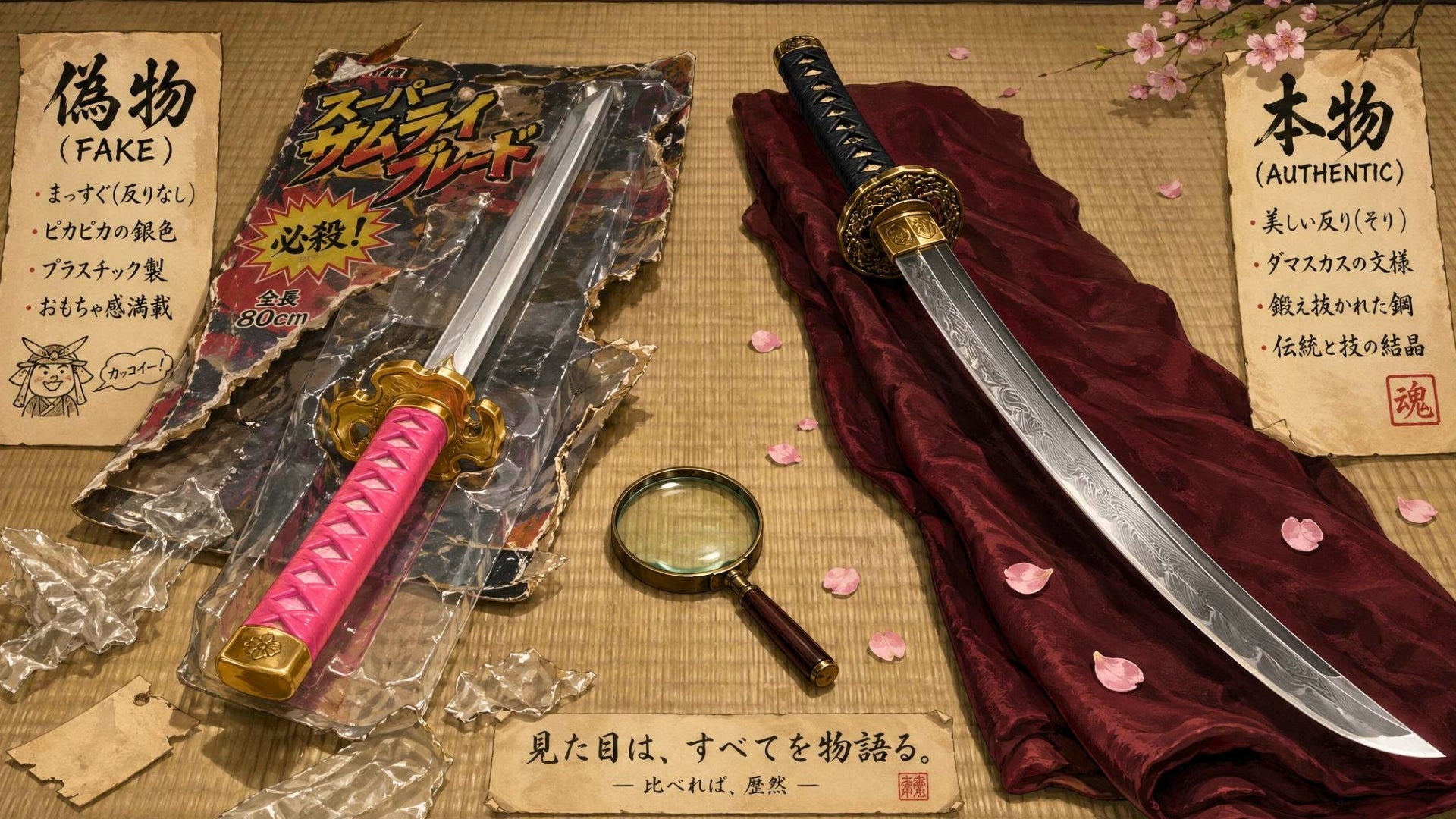
How to Spot a Fake Katana: 8 Red Flags Every Buyer Must Know
An $800 "hand-forged" katana turned out to be a $40 stainless steel fake. Here are the 8 checks that would have caught it - tang, hamon, steel, fittings, weight, price, listing, and seller.
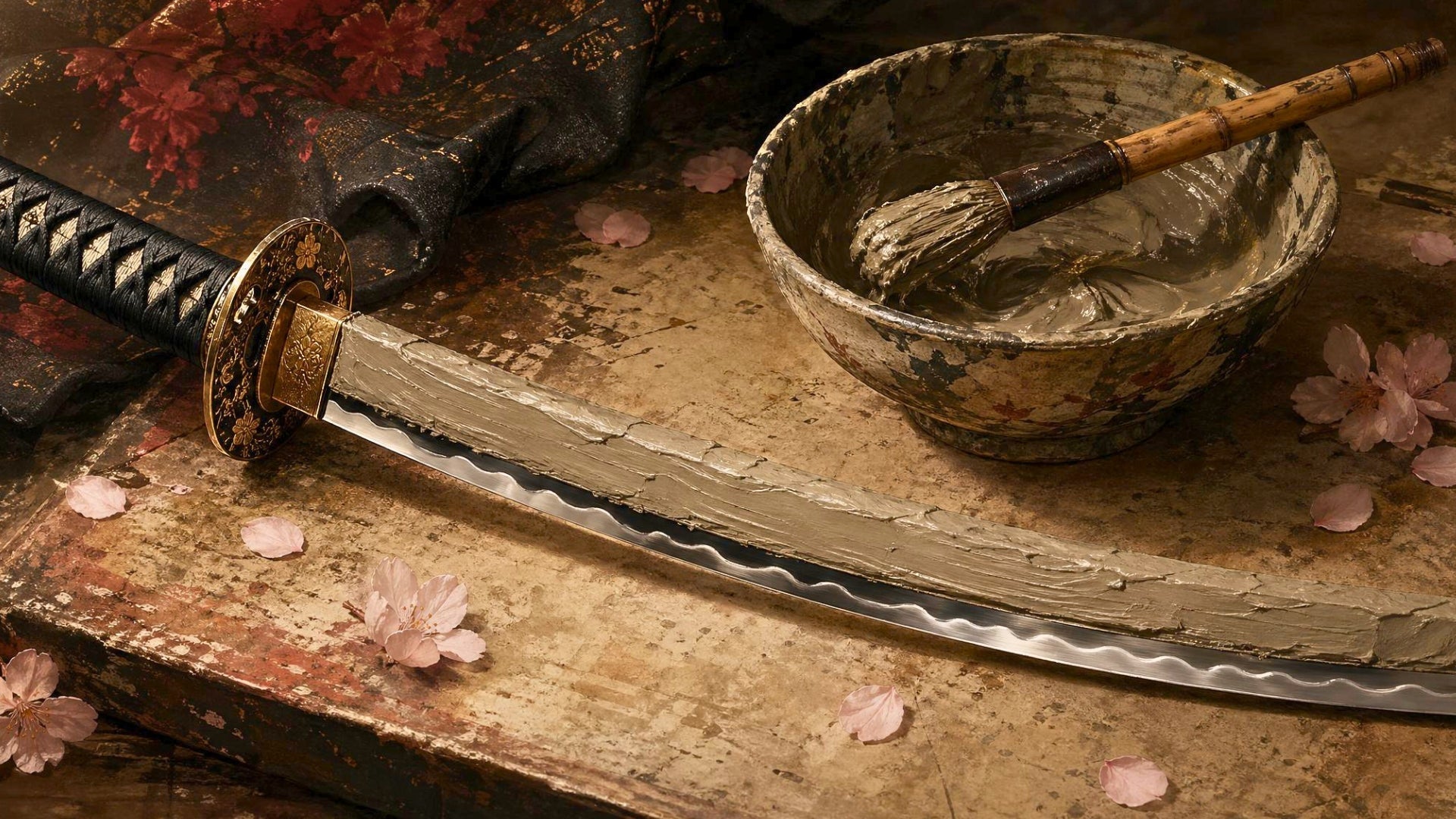
Clay Tempered Katana: What It Is & Why Collectors Love It
Clay tempering isn't marketing - it's a 1,000-year-old process that gives a blade two hardness zones, a real hamon, and a natural curve. This guide explains what it means, how to verify it's real, and whether the price premium is justified.